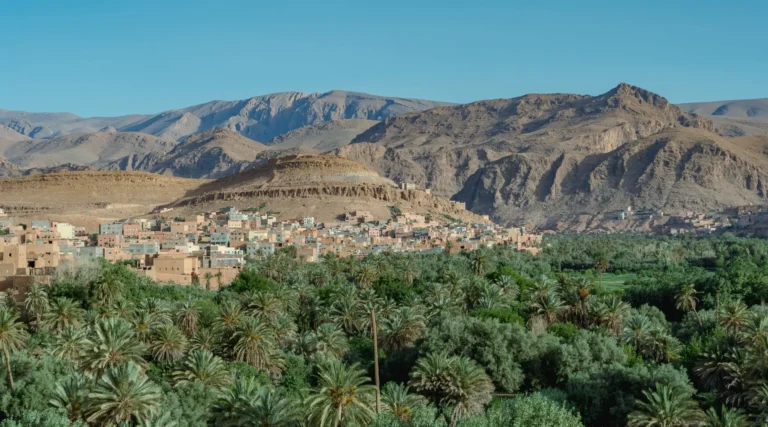
Amazigh villages in Morocco offer a very different perspective from the country’s medinas, Atlantic resorts and Sahara camps. In the Atlas Mountains, village life is shaped by steep valleys, terraced agriculture, seasonal weather, walking trails and communities whose languages and traditions have deep roots in North Africa. For travelers based in Marrakech, areas such as Imlil and Ourika Valley make these mountain landscapes relatively easy to experience in a day, while longer trips can reach quieter valleys farther from the city.
This guide focuses on the High Atlas and nearby mountain areas rather than trying to label every rural Moroccan destination an “Amazigh village.” It explains where to go, what a respectful cultural experience can actually involve, how much time to allow and how to combine village visits with hiking, food and mountain scenery.
Amazigh Villages in Morocco: What Should Travelers Expect?
Amazigh villages in Morocco are not a single type of destination. Some, such as Imlil, are established hiking bases with guesthouses, guides and regular visitors. Others are small agricultural settlements where tourism plays only a limited role. Ourika Valley combines working villages with restaurants and popular waterfall areas, while higher mountain communities may require longer drives or walking routes.
The most rewarding visits usually combine the landscape with an understanding of everyday mountain life. Depending on the area and the experience you arrange, this might include walking between villages, seeing terraced farms, visiting a market, eating a locally prepared meal or learning how geography and seasons influence agriculture and transport.
For a broader overview of the region, the Atlas Mountains destination page covers hiking, mountain scenery and current VMT experiences.
Amazigh or Berber: Which Term Should You Use?
You will see both “Amazigh” and “Berber” when researching Morocco. Amazigh is increasingly used when referring to the people, languages and cultural traditions, while Berber remains common in English-language travel searches and in the names of many long-established tours and businesses.
This guide uses Amazigh in the editorial text while still using Berber where it is useful for search context or where it appears in the official title of an existing VMT tour.
You may also encounter the plural form Imazighen. Travelers do not need to master terminology before visiting, but understanding that mountain communities are contemporary places rather than a single preserved “traditional culture” leads to a more respectful experience.
Best Places to Experience Amazigh Villages in Morocco
For most first-time visitors, the High Atlas south of Marrakech offers the easiest combination of mountain scenery, village walking and organized transport. The best area depends on whether you prioritize hiking, a short scenic outing or a slower overnight stay.
| Area | Best for | Suggested time |
|---|---|---|
| Imlil | Village walks, hiking, guesthouses and Toubkal scenery | 1–2 days |
| Ourika Valley | Easy day trip, riverside scenery, markets and village life | 1 day |
| Oukaimeden | High-altitude scenery, walks and seasonal mountain conditions | 1 day |
| Imouzzer | Mountain roads, villages, nature and a quieter regional trip | 1 day or overnight |
| Aït Bouguemez | Slower travel, agricultural valleys and multi-day mountain exploration | 2+ days |
Imlil: The Easiest Base for High Atlas Village Life
Imlil is one of the most practical bases for travelers who want both a mountain walk and cultural context. It sits in the High Atlas and is widely used as a starting point for Mount Toubkal routes, but you do not need to attempt a summit trek to enjoy the area.
Shorter paths connect Imlil with surrounding settlements, orchards and terraced slopes. This makes it possible to spend a few hours walking without committing to a technical mountain itinerary.
Staying overnight is worthwhile if you want a slower experience. Once day-trippers leave, you have more time for a guesthouse meal, an evening walk and an early start the following morning.
Walking Between Villages Around Imlil
A local guide can add context to a walk by explaining agriculture, seasonal water use, architecture and how different settlements are connected by mountain paths. A guide is particularly useful if you want to leave the main roads rather than simply walk around central Imlil.
Travelers interested in combining a walk with food can consider the Imlil village walk and traditional lunch experience. Home visits should be prearranged rather than treated as something visitors can enter spontaneously.
Ourika Valley: An Accessible Cultural Day Trip
Ourika Valley is one of the easiest Atlas areas to reach from Marrakech. The route follows the river into the foothills and passes villages, cultivated slopes, roadside cafés and increasingly dramatic mountain scenery.
Many visitors continue toward Setti Fatma for waterfall walks, but the valley is more than a waterfall destination. Local markets, agricultural areas and village settlements provide cultural context if you allow enough time rather than driving directly to the busiest attraction.
Markets and Village Life in Ourika
A market visit can be more informative than a staged cultural stop because it shows how residents shop for food, household goods and other necessities. Market days vary by location, so do not build an itinerary around one without confirming the schedule.
VMT’s Ourika Valley Cultural Tour is one option for travelers who want village and market context alongside the mountain landscape.
Ourika works especially well for travelers who have only one free day in Marrakech and want a relatively straightforward mountain outing without committing to a longer trek.
Oukaimeden: Higher Altitude and a Different Atlas Landscape
Oukaimeden sits higher in the Atlas and provides a very different environment from the greener lower valleys. It is known primarily for winter mountain activities, while warmer months are better suited to walking and scenic drives.
The journey itself can pass small settlements and open mountain landscapes, making Oukaimeden useful for travelers interested in how village life changes with altitude.
Weather matters more here than on a simple low-valley visit. Winter conditions can include snow, while temperatures can remain cool even when Marrakech is warm. Check current conditions before treating it as an ordinary city day trip.
Imouzzer and Quieter Mountain Routes
Imouzzer provides another option for travelers who want mountain scenery without following exactly the same route as most Marrakech day trips.
The surrounding landscapes combine villages, mountain roads and natural scenery. It suits travelers who are already exploring the Agadir region or want to add a rural mountain section to a broader southern Morocco itinerary.
As with other rural areas, the value of the visit comes from slowing down rather than collecting villages as sightseeing stops. A guided walk or scenic drive with a few well-chosen stops generally provides more context than attempting to visit as many settlements as possible.
What Does an Atlas Cultural Experience Actually Include?
The phrase “cultural experience” can be vague, so check what is actually included before booking. A useful village experience should have a clear purpose rather than simply driving through settlements and taking photographs.
Depending on the destination, worthwhile activities can include:
- Walking with a local mountain guide
- Visiting a weekly market when one is operating
- Learning about terraced farming and irrigation
- Having a prearranged meal in a guesthouse or local home
- Seeing locally produced crafts where workshops genuinely operate
- Stopping at viewpoints that explain the geography of the valley
- Taking a short hike between settlements
If you want a simple introduction from Marrakech, VMT’s Atlas Mountains & Berber Villages Day Trip combines mountain scenery, village visits and walking in a single day.
Food and Hospitality in the Atlas Mountains
Food is often one of the easiest ways to slow down during a mountain trip. Meals can include tagines, couscous, bread, salads, tea and ingredients grown or purchased locally, but menus vary significantly between villages and seasons.
Do not assume that every village automatically offers a family lunch or cooking demonstration. When a meal in a private home is advertised, it should be an arranged experience with the host rather than an unplanned intrusion.
In guesthouses and small restaurants, allow more time than you might in a city café. Mountain travel works better when lunch is treated as part of the day rather than something to squeeze between several sightseeing stops.
How Long Should You Spend in the Atlas?
For travelers comparing Amazigh villages in Morocco, trip duration matters as much as the specific village.
One Day
Choose one main valley or area. Imlil or Ourika are the easiest choices from Marrakech. Trying to combine several distant valleys can turn the day into mostly driving.
Two Days
An overnight stay around Imlil or another mountain base gives you time for a longer walk, a relaxed dinner and quieter morning hours.
Three Days or More
With several days, you can move beyond the most visited day-trip routes and explore deeper valleys. This is where longer village-to-village walking becomes more practical.
Do not measure an Atlas itinerary by the number of villages visited. Two well-paced stops with time to walk and speak with a guide are usually more useful than passing quickly through six settlements.
Best Time to Visit Atlas Mountain Villages
Spring and autumn are generally the easiest seasons for village walks and moderate hiking. Temperatures tend to be more comfortable, although conditions vary considerably with altitude.
Summer can be hot in lower valleys but more comfortable at higher elevations. Start walks earlier in the day and carry sufficient water.
Winter creates a different experience. Higher areas can receive snow, mountain roads may require extra planning and temperatures drop sharply after sunset. Lower valleys can remain accessible, but conditions should always be checked before traveling.
Mountain weather is more variable than Marrakech weather, so bring layers even when the city forecast looks warm.
Getting to Amazigh Villages From Marrakech
Many Amazigh villages in Morocco are reached by mountain roads rather than rail. For the High Atlas south of Marrakech, the most practical options are generally an organized day trip, private driver, rental vehicle or a combination of local transport and walking.
A guided excursion is useful when your goal is cultural context rather than simply reaching the village. Independent travel offers more flexibility but requires more planning for onward transport, trail navigation and return times.
If you drive yourself, avoid planning by distance alone. Mountain roads can be slower than expected, and short distances may involve bends, elevation changes and village traffic.
Responsible Village Visits
Mountain settlements are homes and working communities rather than open-air museums. A few simple habits make a substantial difference.
- Ask before taking close photographs of residents.
- Do not enter homes, courtyards or agricultural land without an invitation.
- Use local guides where their knowledge genuinely adds value.
- Dress comfortably but relatively modestly in residential villages.
- Do not photograph children closely without permission from a responsible adult.
- Purchase crafts because you want them, not because you feel pressured.
- Carry your rubbish out of hiking areas.
- Respect irrigation channels, crops and livestock routes.
A cultural experience does not need to involve constant interaction with residents. Sometimes walking through a valley with a knowledgeable guide and understanding how people use the landscape is more respectful than trying to manufacture personal encounters.
What to Bring for an Atlas Village Trip
- Comfortable walking shoes
- Layered clothing for temperature changes
- Sun protection
- Drinking water
- Some Moroccan dirhams for small purchases
- A lightweight rain layer when conditions require it
- Offline maps if traveling independently
- A charged phone or power bank
For simple village walks, technical hiking equipment is usually unnecessary. Longer or higher-altitude routes require more preparation and may justify a local mountain guide.
Who Is an Amazigh Village Experience Best For?
Amazigh villages in Morocco are especially rewarding for travelers interested in hiking, landscapes, food, rural life, photography and slower cultural travel.
Families can enjoy shorter village walks and valley trips, although steep paths and uneven surfaces should be considered when traveling with young children or anyone with mobility limitations.
Serious hikers should use Imlil or another mountain base for longer routes rather than treating a one-day cultural excursion as a substitute for a trekking itinerary.
FAQ
Which Amazigh Villages in Morocco Are Easiest to Visit From Marrakech?
Imlil and the villages of Ourika Valley are among the easiest options for travelers based in Marrakech. Both can be visited as day trips, although staying overnight around Imlil provides more time for walking and a slower mountain experience.
Is Amazigh the Same as Berber?
Both words are commonly encountered when discussing the peoples and cultures of North Africa. Amazigh is increasingly used in Morocco and in contemporary cultural contexts, while Berber remains widespread in English travel terminology and in the names of many established tours.
Can You Visit Atlas Villages in One Day From Marrakech?
Yes. One day is enough for a focused trip to Imlil, Ourika Valley or another nearby mountain area. Choose one main destination rather than attempting several valleys in a single day.
Do You Need a Guide to Visit Amazigh Villages?
Not for every visit. Central Imlil and well-traveled areas can be explored independently, but a local guide is useful for village-to-village trails, cultural context and routes that are not obvious to first-time visitors.
What Is the Best Time to Visit the Atlas Mountains?
Spring and autumn are generally comfortable for walking and cultural trips. Summer can be hot in lower valleys, while winter brings colder temperatures and possible snow at higher elevations. Conditions vary greatly with altitude.
Is It Appropriate to Visit a Local Home?
Yes when the visit is genuinely invited or prearranged through a host, guide or organized experience. Travelers should not assume private homes are visitor attractions or enter residential spaces without permission.
Plan an Atlas Cultural Experience
The best way to experience Amazigh villages in Morocco is to focus on one region, travel slowly and allow the landscape and daily life to provide context. Imlil works particularly well for walking and overnight stays, Ourika Valley is convenient for a Marrakech day trip, and higher or more remote valleys reward travelers with extra time.
Instead of trying to collect as many village names as possible, choose an experience that gives you time to walk, understand the landscape and interact respectfully with the people who live there.
Explore destinations, tours and locally organized Morocco experiences with Visit Morocco Together.
Ready to Experience Morocco?
Turn this inspiration into your next adventure. Our travel experts are ready to help.