World Cup 2030 Morocco travel starts with your match location, the nights you need in that city, and a reliable journey back from the stadium. Once those details are clear, you can add medina walks, coastal time, local food, shopping and a longer route through Morocco.
This guide helps visiting football fans compare six Moroccan planning areas: Casablanca, Rabat, Tangier, Fes, Marrakech and Agadir. They offer different combinations of football heritage, accommodation and sightseeing. A hotel that suits a city break may require a separate matchday transport plan, particularly when the venue lies outside the centre.
The Morocco World Cup 2030 Journey brings an interactive map, city guides, stadium information and places to explore into one planning page. It complements the wider picture of club football, national-team matches and sporting visits covered in Morocco Football and Sports Travel.
The routes below are travel examples. Match allocations, ticket rules and stadium access must follow the relevant official announcements.
Plan Your Trip with the Morocco World Cup 2030 Journey Map
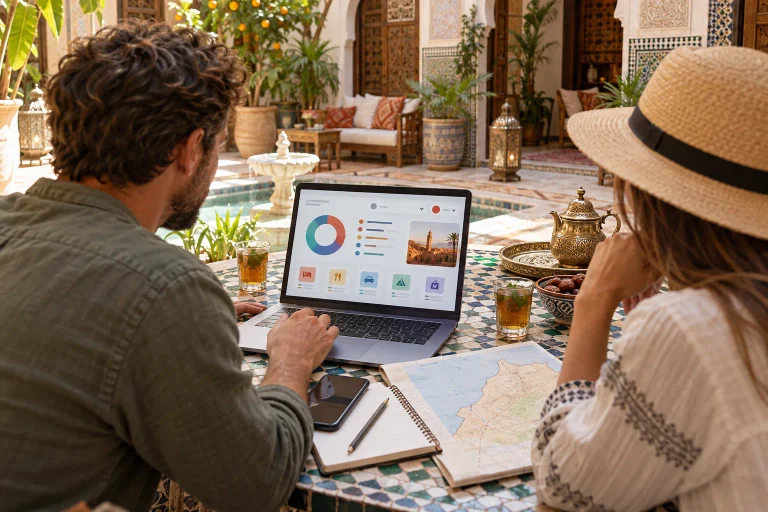
The interactive World Cup 2030 Journey map helps you explore the six Moroccan planning cities and their stadium context. You can search for curated places, including landmarks, hospitals and shops, then follow city guides or explore activities, day trips and longer tours.
Start with your intended match city. Compare the places you want to visit with the location of your accommodation, and identify which journeys need separate transport. A central hotel, a railway station and a stadium may serve different parts of the trip.
Turn the Map into a Practical Travel Shortlist
For a Casablanca stay, begin by distinguishing the central city from the Hassan II stadium project outside it. In Fes, consider the vehicle meeting point for a medina riad. In Agadir, compare your beachfront plans with the separate journey to the stadium. Use these questions to shortlist accommodation before checking the actual transport arrangements.
Choose one or two nearby visits for a free day, then assess their opening hours, admission and journey time. A place appearing close on a map does not establish a permitted walking route, an accessible entrance or a matchday pickup point.
The Journey page also brings together football stories, stadium listings and fan-planning topics. It is an independent Visit Morocco Together resource, not an official FIFA ticketing or fixture service. Use organiser notices for match allocation and entry instructions, transport operators for services, and the relevant facility for its access and availability.
World Cup 2030 Morocco: What Is Confirmed?
Morocco, Portugal and Spain have been appointed the main hosts of the 2030 FIFA World Cup. Argentina, Paraguay and Uruguay will each stage a centenary celebration match. FIFA describes the tournament across June and July 2030. Its official World Cup 2030 page is the reference for tournament announcements and ticket-interest information. Registering interest is different from buying a ticket or receiving a match allocation.
Casablanca’s ambition to stage the final should remain separate from an official final allocation. Before committing to a final-specific trip, confirm FIFA’s published venue announcement. Ticket prices, sales phases, team-by-city assignments and match-specific entry arrangements also need their own official announcements.
Infrastructure projects require the same distinction. An announced railway extension, hotel development or stadium upgrade is a project until the relevant operator confirms that it is available for your dates.
| Planning area | Venue in Morocco’s 2030 portfolio | What this means for your trip |
|---|---|---|
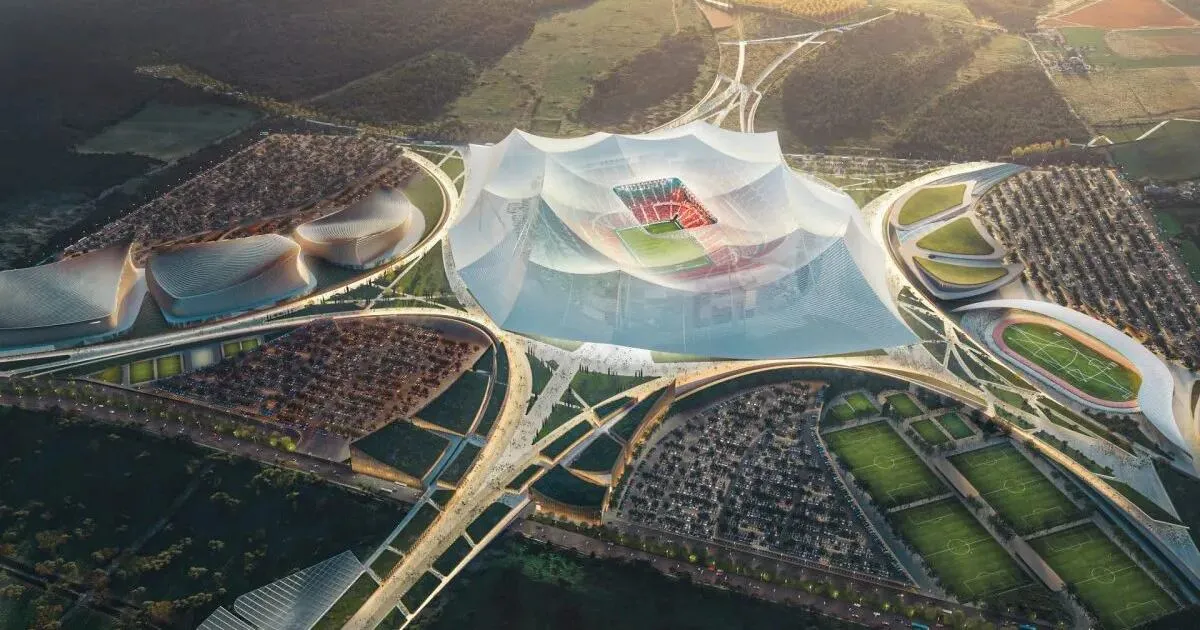
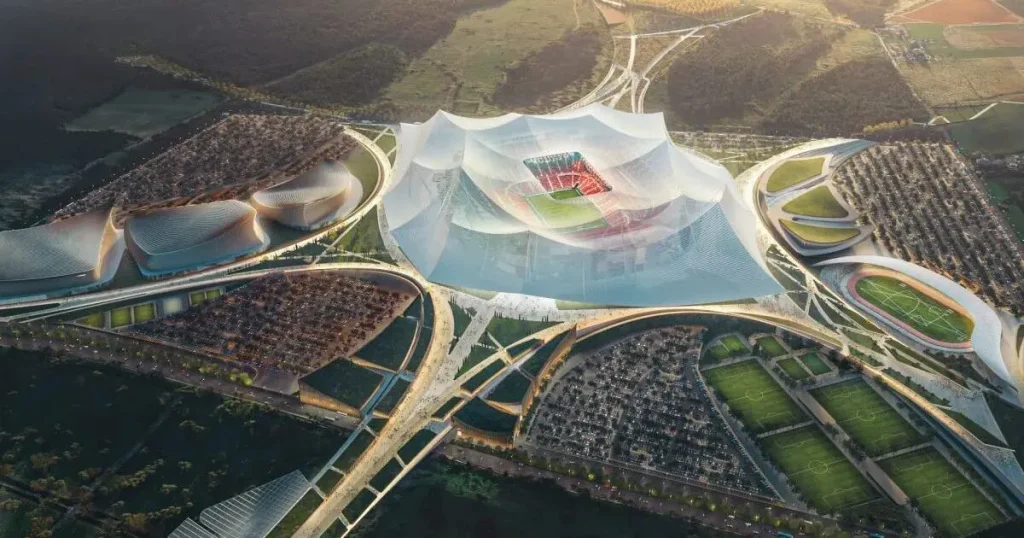
| Casablanca and Benslimane | Grand Stade Hassan II | The project is in El Mansouria, in Benslimane province, outside central Casablanca. A central-city hotel requires a separate journey to this venue. |
| Rabat | Prince Moulay Abdellah Stadium | Rabat has several football grounds. Use the full venue name, ticket gate and published access instructions. |
| Tangier | Grand Stade de Tanger, also known as Ibn Battouta Stadium | Compare the stadium corridor with the city-centre, station and medina areas. They serve different parts of a visit. |
| Fes | Complexe Sportif de Fès, also called Grand Stade de Fès | This is distinct from Stade Hassan II. A medina riad also involves a final walking section between your room and a vehicle meeting point. |
| Marrakech | Grand Stade de Marrakech | The venue is north of the centre. El Harti in Guéliz is a different ground. |
| Agadir | Grand Stade d’Agadir, also known as Adrar Stadium | Beachfront accommodation and the stadium are separate locations. Taghazout is another base outside central Agadir. |
Choose a City That Fits Your Football Visit
Begin with the match you can actually attend. Then compare accommodation, arrival options and the amount of sightseeing you want to do. A city’s clubs help explain its football identity, but a club’s usual home ground does not determine where a World Cup match will take place.
Casablanca: Urban History and a Separate Stadium Corridor
Casablanca combines the older identity of Anfa with the development of a major port and a modern commercial city. Habous, the old medina and Art Deco streets provide different views of that history. The Hassan II Mosque and the Aïn Diab waterfront can anchor a day without a match; check visitor access and any required reservation before arranging your route.
Raja Club Athletic and Wydad Athletic Club are central to the city’s football culture. Their relationship with the Mohammed V stadium belongs to Casablanca’s established club story. The Grand Stade Hassan II project has a different location in Benslimane province. Do not choose a hotel beside Mohammed V on the assumption that it serves the 2030 venue.
Maârif and the centre suit visitors who want restaurants and city sightseeing. Casa-Voyageurs is worth comparing when rail arrival or departure matters. Aïn Diab suits a waterfront stay, while accommodation around Mohammedia, Bouznika or the Benslimane corridor needs its own address and transport assessment.
For shopping, distinguish Morocco Mall, Anfaplace and Marina Shopping from craft browsing in Habous. La Sqala is a restaurant to research for a Moroccan meal in the city; check its current menu and reservation terms. Leave the stadium day clear of a long shopping excursion.
Rabat: Capital Landmarks and Several Football Venues
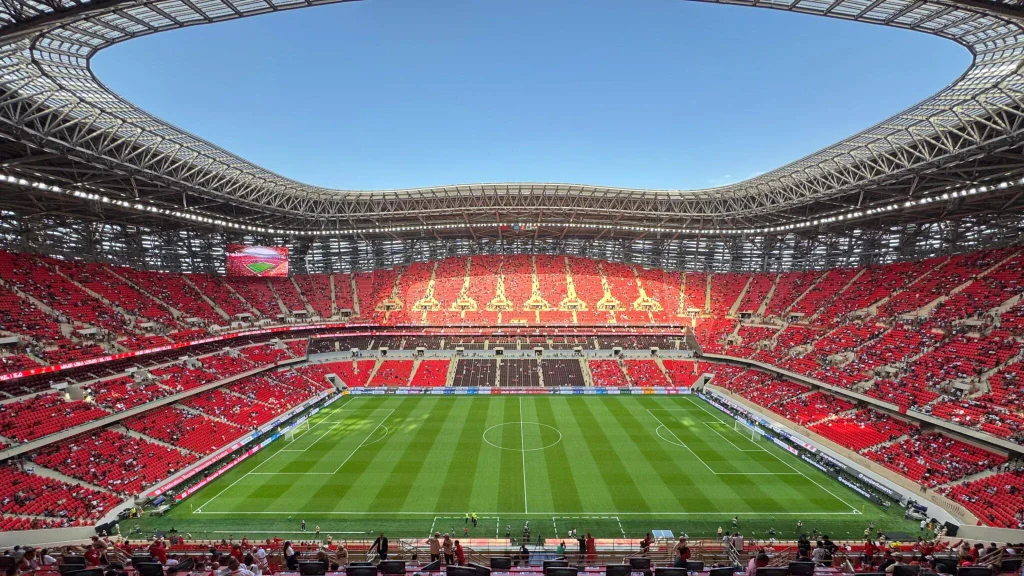
Rabat’s history includes Almohad monuments, the Kasbah of the Udayas and its later role as Morocco’s capital. Hassan Tower, Chellah and the Mohammed VI Museum of Modern and Contemporary Art offer a mixture of heritage and indoor visits. Salé, across the Bouregreg, has its own history and should be named separately in your itinerary.
AS FAR and Fath Union Sport are part of the city’s football story, alongside other clubs. Rabat’s multiple grounds make precise venue identification especially important. Prince Moulay Abdellah, Moulay El Hassan, Al Medina and the Olympic stadium should not be treated as interchangeable destinations.
Agdal is a useful area to compare for station access, hotels and everyday facilities. Hassan and the medina suit visitors prioritising heritage, while Hay Riad offers another accommodation setting. Check the actual journey from each property to the allocated stadium, including the return after the final whistle.
Arribat Center and Le Carrousel provide mall options; Rue des Consuls offers a different shopping experience. Dinarjat is a dining candidate to examine for location, menu and booking. A restaurant in the medina may involve a walking section that needs to be included in a pickup plan.
Tangier: Football, Port History and the Strait
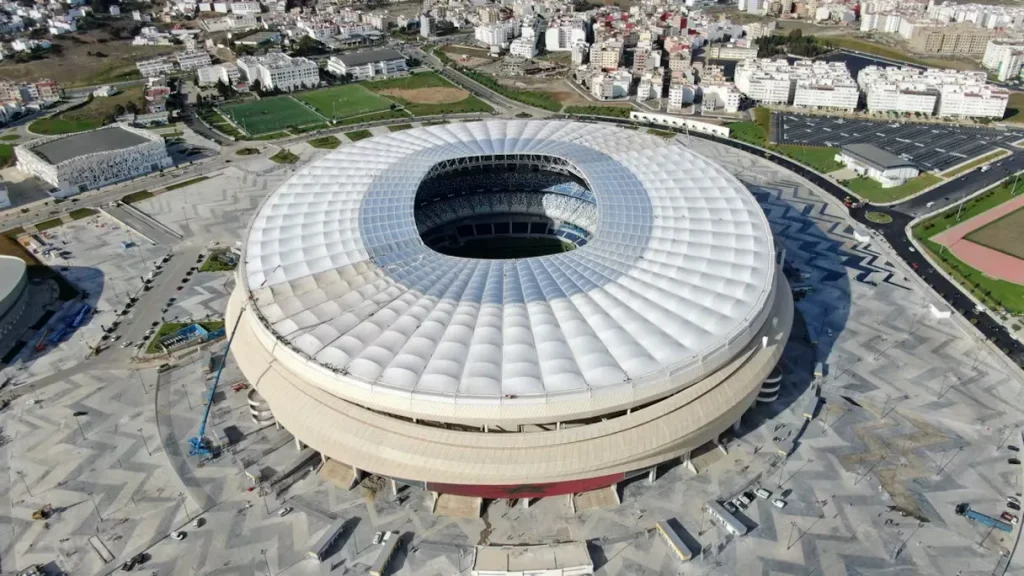
Tangier’s port, Kasbah and former international-zone history give the city a distinct character. A short visit might combine the medina, Grand Socco, the American Legation and the waterfront. Cap Spartel and the Hercules Caves belong on a separate outing with a clear return plan.
Ittihad Tanger connects the city’s club identity with the Grand Stade de Tanger. For a tournament visit, check the allocated fixture and gate rather than relying on a club’s usual match arrangements.
The Tanger Ville station area suits a comparison of rail access and modern hotels. Medina and Kasbah properties offer a different atmosphere, often with more walking. Malabata provides another waterfront base. The airport and stadium corridor should be assessed through the individual hotel’s address and the approved matchday route.
Tanger Ville railway station, the city port and Tanger Med port are different locations. A ferry booking to Tanger Med requires onward travel; it is not an arrival directly beside your city hotel. Allow a separate arrival day before an important match.
Tanger City Mall is a mall option to compare with medina shopping. Restaurant planning should distinguish a quick meal near your hotel from a reserved dinner elsewhere. Confirm whether a venue screens football if watching another match is part of the evening.
Fes: Medina Heritage and Modern-City Access
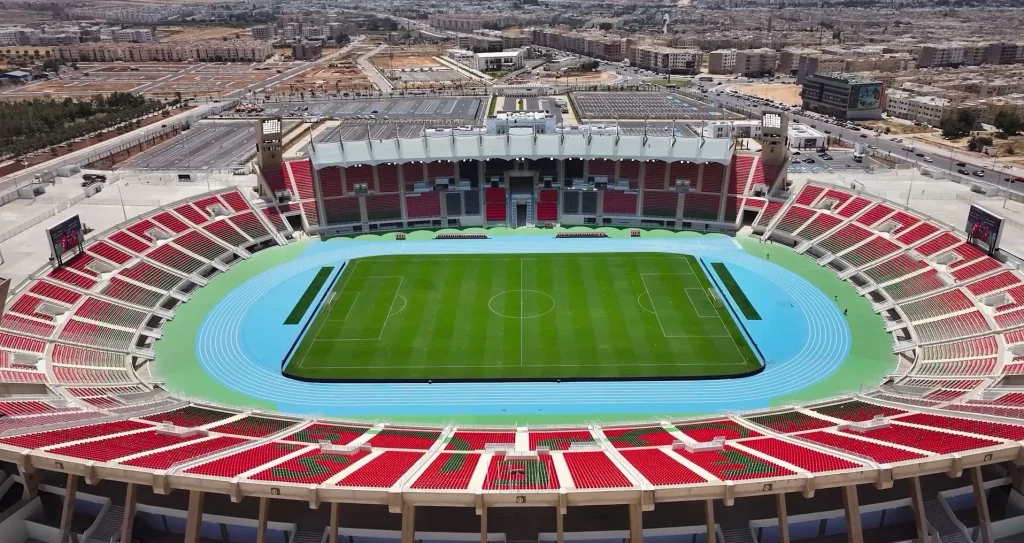
Fes offers a close view of Moroccan urban heritage through Fes el-Bali, Fes el-Jdid and the modern city. Bab Boujloud, artisan quarters, madrasas and Jnan Sbil can form a manageable sightseeing route. Entry to religious and heritage sites depends on the site’s rules; an exterior visit and an interior visit are different experiences.
Maghreb Association Sportive de Fès and Wydad Athlétique de Fès are the city’s established club names to explore. Their histories and domestic venues should remain separate from the 2030 allocation at the Complexe Sportif de Fès.
Choose a medina riad for a stay centred on historic streets. Before booking, ask where a vehicle can meet you, how far you must walk with luggage, and whether staff can help with a late return. Ville Nouvelle and the Fes-Ville station area offer other bases for arrivals and intercity travel.
Borj Fez provides a mall option, while Place Seffarine and the medina offer artisan shopping. Ask about materials, receipts, packing and delivery when buying a larger item. Dar Roumana is a restaurant candidate to research for a planned dinner; its address and booking arrangements matter as much as the menu.
Meknes and Volubilis can be considered on a day without a match. A Fes-to-Sahara journey needs several days and an overnight route that fits your next fixture.
Marrakech: Heritage Visits and a Northern Venue
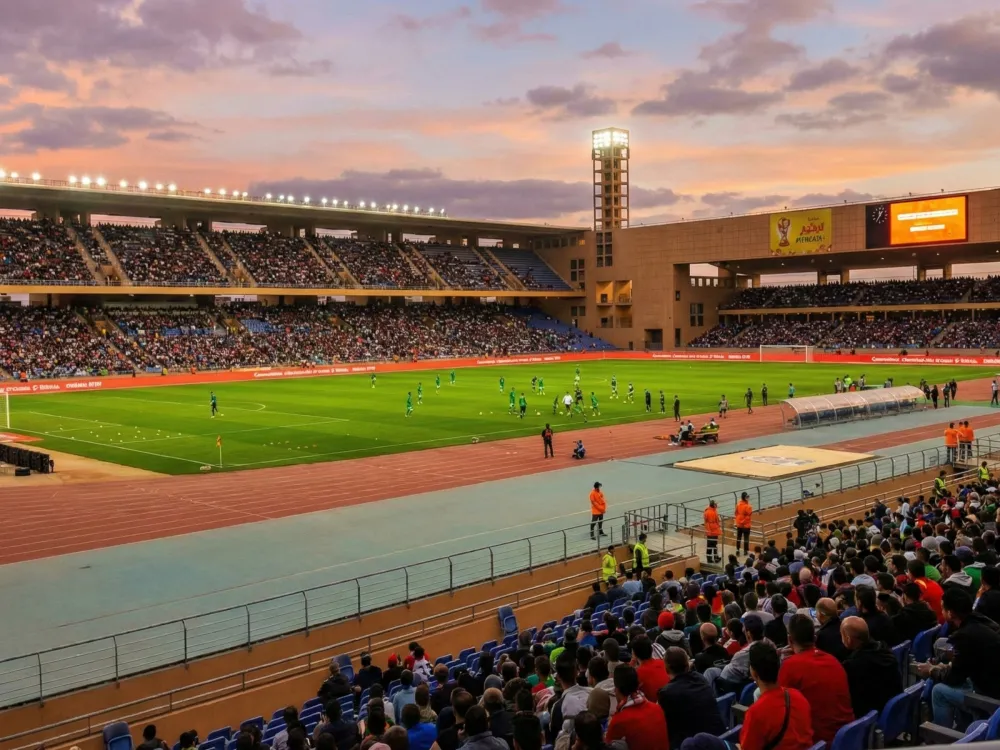
Marrakech’s Almoravid origins and later Almohad and Saadian heritage provide context for its medina, monuments and gardens. Jemaa el-Fna, Bahia Palace, Ben Youssef Madrasa and the souks can fill a city stay without lengthy road travel. Timed visits, shade and rest breaks help keep sightseeing manageable.
Kawkab Athletic Club de Marrakech is an important part of the local football story. El Harti in Guéliz and the Grand Stade de Marrakech are different grounds. The World Cup venue planning concerns the Grand Stade in the northern city corridor.
A medina riad suits visitors who want to walk through the historic centre. Guéliz offers a modern-city base, Hivernage has another concentration of hotels, and northern properties require a separate comparison of stadium access and evening transport. A property in Palmeraie is not automatically within a practical walk of your gate.
Menara Mall and Carré Eden serve different shopping needs from Souk Semmarine. Al Fassia has Guéliz and Aguedal restaurant locations; select the correct branch when arranging a meal or a pickup.
Keep a full free day for an excursion such as Ouzoud, Ourika or the Atlas Mountains. Agafay is a stone-desert outing near Marrakech; a dune visit around Merzouga is a substantially different journey.
Agadir: Coastal Time and the Souss Region

Agadir’s story includes Amazigh and Souss heritage, the 1960 earthquake and the rebuilding of the city. Agadir Oufella, the promenade and Souk El Had provide a starting point beyond the beach. A short coastal walk can fit a lighter day between fixtures.
Hassania Agadir is central to the city’s football identity. Olympique Dcheira belongs to nearby Dcheira El Jihadia, which should be identified as a separate municipality when discussing clubs or accommodation.
Compare central Agadir, Talborjt, the seafront and Founty for meals, hotel access and the stadium journey. Taghazout offers a different coastal stay outside the centre. It requires its own transport plan for a match in Agadir.
Souk El Had, marina retail and Talborjt offer different forms of shopping. Pure Passion Marina is a dining candidate with an identifiable marina location; confirm the menu, booking and kitchen hours for your date.
Check whether an operating passenger rail service reaches Agadir for your travel dates. Until a service and timetable are published, compare available flights and road connections rather than building a booking around a railway proposal.
Where to Stay: Centre, Station or Stadium Area?
Choose accommodation through the whole journey: arrival, sightseeing, match access and the late return. A stadium-oriented location may be useful for one evening but less convenient for several days of restaurants and city visits.
The properties below are candidates for comparison. Check each operator’s current information before booking; inclusion does not establish 2030 room availability, tournament affiliation or a guaranteed route to a stadium gate.
| City | Properties to compare | Main decision |
|---|---|---|
| Casablanca | Kenzi Tower Hotel; ibis Casa-Voyageurs; Hotel & Spa Le Doge | City-centre sightseeing, rail access or a smaller heritage property. Assess Benslimane access separately. |
| Rabat | ibis Rabat Agdal; ONOMO Hotel Rabat Terminus; Riad Kalaa | Station-oriented hotel access versus a medina riad and its walking section. |
| Tangier | Hilton Garden Inn Tanger City Center; ibis Tanger City Center; Dar Sultan | Modern station-area accommodation versus a Kasbah stay. |
| Fes | ibis Fes; Barceló Fès Medina; Palais Amani | Rail and modern-city access versus a medina property with a vehicle meeting point. |
| Marrakech | 2Ciels Hotel; ibis Marrakech Centre Gare; Riad Joya | Guéliz, station access or a medina stay. Each requires a separate Grand Stade journey. |
| Agadir | Atlantic Hotel Agadir; Hotel Timoulay & Spa Agadir; Anezi Tower Hotel | Central, Founty or seafront-oriented accommodation, with stadium transport checked independently. |
Before paying, check the exact dates, room occupancy, late check-in, cancellation deadline, local taxes and any minimum stay. Ask about air conditioning, luggage storage and the point where a driver can collect you. For a riad, confirm the final walking section and arrangements if you return after reception’s usual hours.
For an accessible room, request details of the room, bathroom, lift and entrance. The same assessment must cover the stadium journey and allocated gate. An accessible hotel listing alone does not establish an accessible matchday route.
World Cup 2030 Morocco Itinerary Options
Use these as route examples. Add your match only after its city, date and kickoff are confirmed. Keep the day before an important fixture for arrival and settling in where possible, and avoid a flight, ferry or long intercity drive that depends on leaving the stadium promptly.
Three Days in One Match City
| Day | Overnight base | Plan |
|---|---|---|
| 1 | The match city | Arrive, check in, locate your pickup point and take a short nearby walk. |
| 2 | The match city | Attend the fixture if this is its confirmed date. Keep the morning light and follow the organiser’s access timing. |
| 3 | Depart or add another night | Take a short visit if departure timing permits. A full-day excursion needs an additional day. |
This pattern suits a brief visit built around one fixture. Add nights for another match, a full-day tour or a slower arrival.
Seven Days Through Casablanca, Rabat and Tangier
Spend two nights in Casablanca, two in Rabat and two in Tangier, leaving on day seven. Use one of those stays for your confirmed match and adjust the order around it. The three cities offer different settings without needing to include every Moroccan venue area.
Casablanca provides urban architecture and waterfront time; Rabat offers capital landmarks; Tangier adds port history and the Strait. Use the operating rail timetable and allow for travel between the station and your accommodation. If your match requires longer in one city, reduce the number of bases.
Ten Days with a Fes Stay
One example is two nights each in Casablanca, Rabat and Tangier, followed by three nights in Fes, with departure on day ten. The extra time in Fes allows a medina visit and a separate outing without forcing them into matchday.
The order is flexible. A ticket in Fes or Tangier should determine where you need to be on the fixture date. Check your departure airport and the actual intercity timetable before adopting the full route.
Fourteen Days with a Coast, Mountain or Desert Extension
Begin with a manageable football route and reserve the remaining nights for one extension. A Casablanca–Marrakech–Agadir route suits a comparison of city heritage and coastal time. A northern itinerary can include Chefchaouen or Asilah after a Tangier stay. A Sahara route needs its own multi-day plan, including the start city, overnight stops and end city.
Fourteen days does not require six host-city visits. A smaller number of bases gives more room for delayed arrivals, rest and local experiences. Keep a long excursion outside the period when you must return for a particular match.
Arrival, Stadium Access and the Journey Back
Book the stadium journey using the actual venue, gate and permitted meeting points. Event security perimeters can change the last part of a route even when the usual road journey looks straightforward.
Confirm the driver’s meeting point in writing, including a map pin, a visible landmark and a contact method. Agree how you will communicate if mobile coverage is congested. The point for collection after the game may differ from the drop-off point.
Check late transport separately. A train, tram or bus that operates during the day is not automatically available after a late finish. Build a return plan before leaving the hotel, particularly when staying outside the venue city.
For intercity travel, distinguish a railway project from a bookable service. Check whether any network extension has entered operation, then use the published timetable for your date to determine the route you book.
A trip continuing to Spain or Portugal also needs separate entry checks. A Moroccan entry permission does not by itself authorise entry into the Schengen area. Allow time for border formalities and onward transport rather than treating an international crossing as a local transfer.
Tickets, Booking and a Realistic Budget
Follow FIFA’s official instructions for World Cup tickets. Registering interest can help you follow announcements, but it does not provide entry, a seat or a confirmed purchase window. Use the rules published for 2030 instead of assuming that another tournament’s prices, categories or transfer policy will apply.
When sales are announced, check buyer identity requirements, payment methods, delivery, accessibility allocations and the rules for transfer, cancellation or resale. Confirm which match and venue the product covers before paying. A travel provider’s tour page should not be interpreted as evidence that it can issue official tournament tickets.
Build your budget from quotations for your actual nights: accommodation, ticket cost when published, transport, meals, taxes and any excursions. Record cancellation exposure alongside the price. A low room rate may be less useful if the booking cannot change before your match allocation is clear.
Keep a separate allowance for the journey after the game and for an extra night if your departure depends on a tight connection. Avoid using a projected 2030 ticket price or a present-day hotel rate as a confirmed tournament cost.
Restaurants, Shopping and Everyday Facilities
Compare restaurants through location, menu, reservation requirements and kitchen hours. A late match can make a nearby meal more practical than crossing the city for a reserved dinner. Ask about dietary needs directly, including ingredients and preparation if an allergy is involved.
For shopping, separate malls, craft markets and everyday essentials. Malls can be useful for fixed-price purchases and indoor time; medina markets offer a different way to see local trades. Ask for receipts and clarify materials, packing and shipping before buying a rug, lamp or other bulky item. Verify official merchandise and its seller when that distinction matters.
Check the facilities you will use around the hotel: supermarket, pharmacy, cash withdrawal, laundry and luggage storage. Ask whether a business accepts your payment method, and keep enough phone battery for maps and return communication. Venue bag and camera rules need a separate check before matchday.
Hospitals and Pharmacies
Identify an appropriate medical facility near your actual base through your insurer and the facility’s own information. Casablanca has CHU Ibn Rochd and Cheikh Khalifa facilities to investigate; Rabat has CHU Ibn Sina and Cheikh Zaid; Fes has CHU Hassan II; Marrakech has CHU Mohammed VI, including Arrazi. Tangier and Agadir also require a branch-specific check of public and private facilities.
These names are starting points for locating care, rather than a ranking of clinical quality. Confirm the address, emergency entrance, relevant adult or child service, and payment or insurance arrangements. A hospital group name does not mean every branch offers the same service.
Pharmacy opening and duty arrangements can change. Use a current local duty roster or ask your accommodation for help finding an open pharmacy. For urgent care, follow local emergency instructions and the advice of a qualified professional.
Gyms, Pools and Rest Days
For a short visit, compare a hotel fitness room with a gym that explicitly permits temporary access. Fitness Park has named branches in Casablanca and Rabat; Elite Club & Spa is an Agadir option to investigate. Confirm the specific branch and its visitor policy before treating it as a day-pass choice.
Hotel gyms and pools may be reserved for residents or carry separate access conditions. Ask about opening hours, equipment, lockers, towels and age restrictions. A membership price is not evidence of a one-day entry price.
Keep rest time in the itinerary. A shaded walk, an indoor museum or a short session near the hotel can be easier to arrange than a distant activity on the morning of a match.
Exploring Morocco Between Matches with Visit Morocco Together
Visit Morocco Together has city visits and longer routes that can fit the days around your football plans. Match your choice to its actual departure point, duration and return arrangements:
- In Casablanca, consider the Casablanca City Discovery for a day devoted to the city.
- In Rabat, compare the medina and souks experience with your available sightseeing time.
- In Tangier, explore the medina and Kasbah walking tour.
- In Fes, the Fes Medina Walking Tour offers a city-focused option.
- From Marrakech, reserve a full day without a match for the Ouzoud Waterfalls day trip.
- In Agadir, consider the city, Kasbah views and seafront visit.
Check each product’s inclusions, pickup and booking terms before confirming it. A sightseeing booking covers the stated experience; stadium access and tournament tickets need their own arrangements.
Questions About a World Cup 2030 Morocco Trip
Can I plan my trip with an interactive World Cup map?
Yes. Visit Morocco Together’s Journey page combines a map with city, stadium and travel resources. Use it to shortlist places, then confirm fixtures, entry rules, transport and bookings with the relevant providers.
Which Moroccan cities are included in World Cup 2030 planning?
The Moroccan venue portfolio covers Casablanca/Benslimane, Rabat, Tangier, Fes, Marrakech and Agadir. Confirmed fixtures and stadium instructions should determine your final booking.
Will Casablanca host the 2030 World Cup final?
Use FIFA’s official final-venue announcement before committing to a final-specific trip. A city’s ambition to host the final is different from an official allocation.
Can I buy World Cup 2030 Morocco tickets now?
Check FIFA’s official ticketing announcements for the status of sales, prices and purchase phases. Ticket-interest registration is not a ticket purchase and does not guarantee an allocation.
Is Grand Stade Hassan II in central Casablanca?
The project is in El Mansouria, in Benslimane province, outside the centre. Compare the actual venue corridor with your hotel’s location and the eventual event transport arrangements.
Should I stay in a hotel or a riad?
A riad suits a visit centred on the medina, while a hotel near a station or an accessible road can serve another set of priorities. Compare late return, luggage access, room conditions and cancellation rather than accommodation type alone.
Can I visit the Sahara between matches?
Yes, when the gap is long enough for the full route and overnight stops. Check the departure and end city, and allow time to return before the next fixture. A short Agafay outing and a Merzouga dune trip have different travel requirements.
How many Moroccan cities should I include?
For one match, a single base with extra nights can work well. A week can support a smaller regional route; a longer stay allows an additional city or excursion. Your fixture locations and arrival and departure points should set the pace.
Ready to Experience Morocco?
Turn this inspiration into your next adventure. Our travel experts are ready to help.