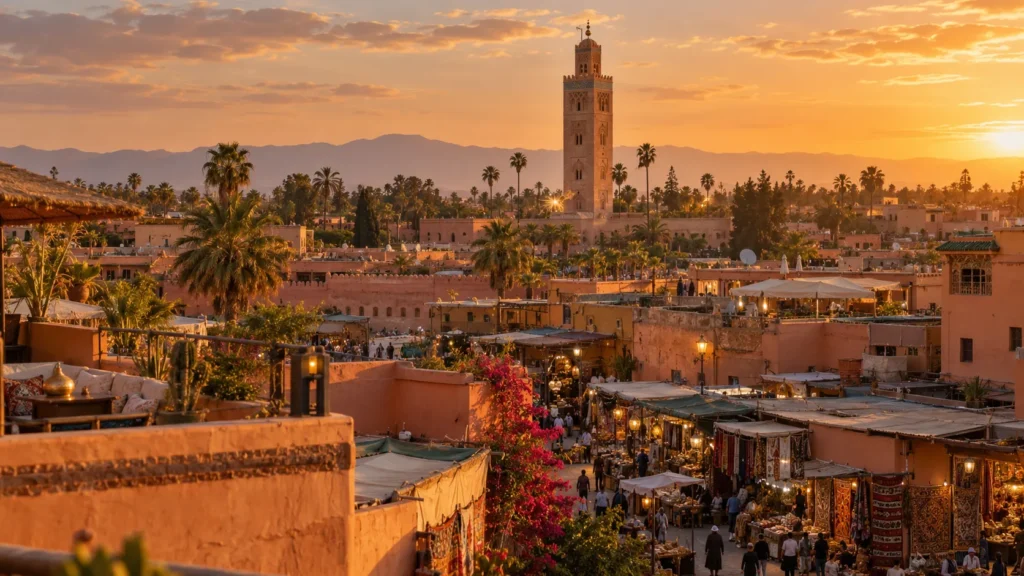
This Marrakech travel guide is designed for first-time visitors who want to understand the city before filling every hour with attractions. Marrakech is compact enough to explore over a few days, but the experience changes considerably between the historic medina, the souks, palace districts, gardens and modern neighborhoods such as Guéliz. The best first visit combines major landmarks with time to walk, eat, shop and simply observe how the city changes from morning to evening. This guide covers the essential places to see, where to stay, how to get around, what to expect in the medina and a practical three-day Marrakech itinerary.
How Many Days Do You Need in Marrakech?
Two full days is enough to see many of Marrakech’s major attractions, but three days is a better starting point for a first visit. It gives you time for the medina, palaces, souks and gardens without turning the entire trip into a sightseeing checklist.
With four or five days, you can slow the pace further or add a day trip to the Atlas foothills, Ourika Valley, Essaouira or Agafay.
| Time in Marrakech | Best approach | What fits comfortably |
|---|---|---|
| 1 day | Focus on the historic center | Medina, souks, one major monument and Jemaa el-Fna |
| 2 days | Combine medina sights with gardens | Palaces, souks, Jemaa el-Fna, Majorelle and food experiences |
| 3 days | Best first-visit pace | Historic sights, gardens, modern Marrakech and free time |
| 4+ days | Add slower experiences or an excursion | Cooking, hammam, Atlas, Ourika, Essaouira or Agafay |
Start With the Marrakech Medina
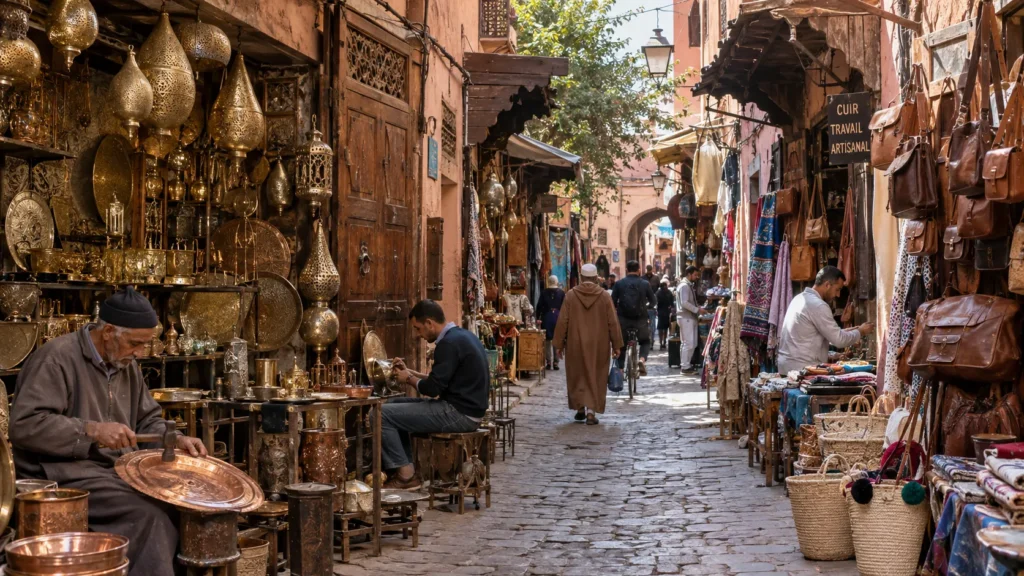
The historic medina is the part of Marrakech most first-time visitors come to experience. It is a UNESCO World Heritage area of narrow lanes, houses, riads, markets, monuments, workshops and small public spaces.
You do not need to understand the entire street plan before entering. Instead, use a few major landmarks such as Jemaa el-Fna, Koutoubia, Ben Youssef Madrasa and larger souk streets to orient yourself.
If navigating the medina alone feels overwhelming, a Marrakech medina and Jemaa el-Fna walking tour can provide an introduction before you explore independently later.
Jemaa el-Fna: Visit More Than Once
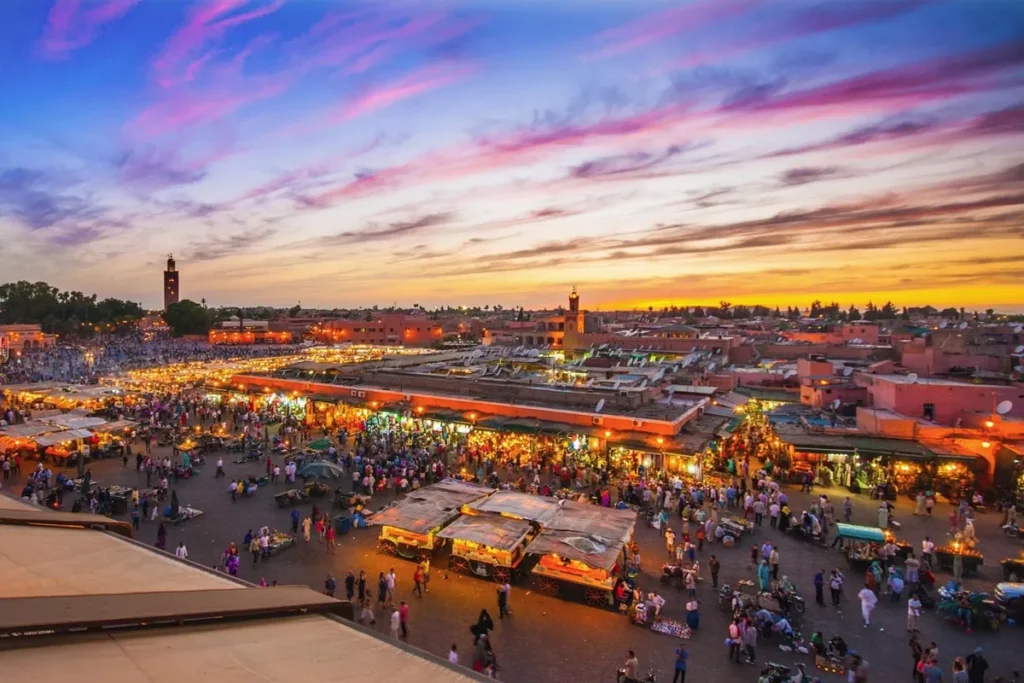
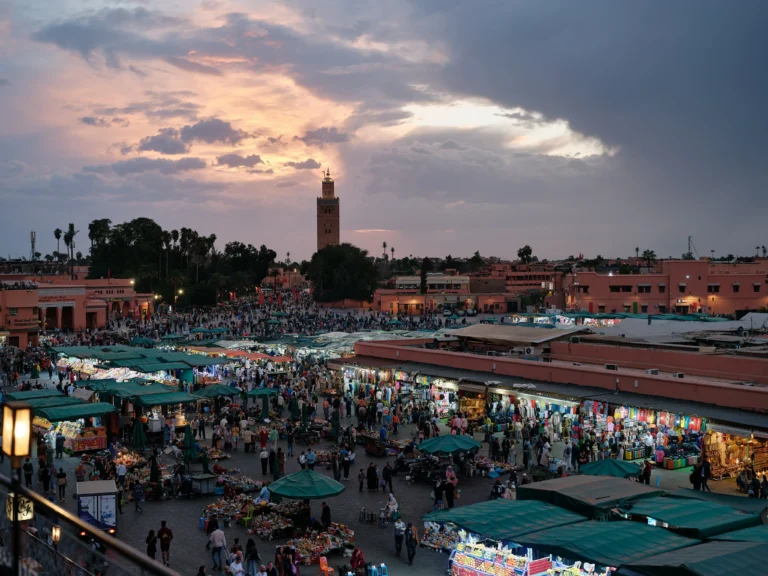
Jemaa el-Fna is not a place that needs an entire day, but it deserves more than a quick photograph. The square changes considerably between morning, late afternoon and evening.
Earlier in the day it generally feels more open, making it easier to understand the surrounding streets. Later, food stalls and larger crowds change the atmosphere.
A good first-visit strategy is to pass through during the day, explore the medina and then return around sunset or evening. A rooftop overlooking the square can also help you understand the scale of the area before walking through it again at street level.
For more detailed planning, see the Jemaa el-Fna Marrakech guide.
Explore the Marrakech Souks Without Rushing
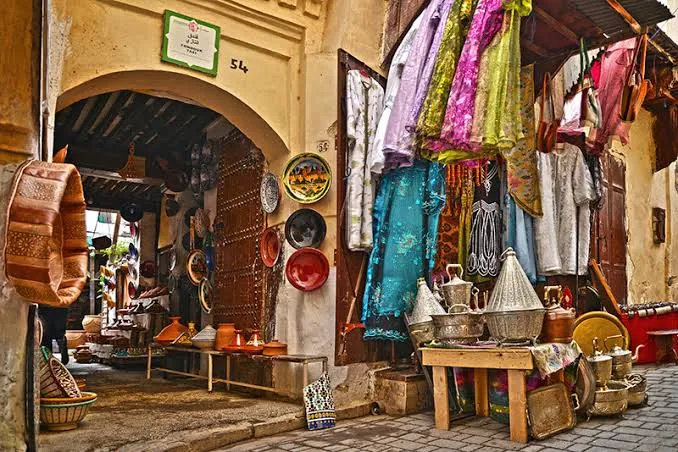
The souks spread north from the Jemaa el-Fna area through interconnected market streets and smaller lanes. They are not one single market divided neatly into sections, although certain areas have historical associations with particular trades.
You will find textiles, leather goods, lamps, ceramics, slippers, carpets, spices, baskets and many other products. Workshops can still be found among the retail shops, particularly when you move away from the busiest visitor routes.
Do not make shopping your first task. Spend some time looking at similar products in different shops before negotiating seriously. There is no reliable rule that every item should be purchased at a fixed percentage below the first asking price.
If understanding crafts and shopping is a priority, consider a guided Marrakech souks shopping tour.
Bahia Palace

Bahia Palace is one of the most useful places in Marrakech for understanding decorative Moroccan architecture. Courtyards, painted ceilings, carved details and zellige tilework make it significantly different from the open ruins of El Badi Palace.
Allow enough time to move through the building rather than trying to combine several monuments in one rushed hour. It can become busy during popular sightseeing periods, so visiting earlier in your sightseeing day may feel more comfortable.
El Badi Palace
El Badi Palace offers a different palace experience. Much of the complex survives as monumental ruins and large open spaces rather than highly decorated interiors.
Visiting both Bahia and El Badi helps explain different periods of Marrakech history and architectural styles. They are close enough geographically to fit into the same part of a sightseeing day.
Saadian Tombs
The Saadian Tombs are another important stop in the southern medina. Their decorated burial chambers provide a more intimate experience than the large spaces of El Badi Palace.
Because Bahia Palace, El Badi and the Saadian Tombs lie within the same broader part of Marrakech, grouping them geographically is more efficient than crossing the medina repeatedly.
Ben Youssef Madrasa and the Northern Medina
Ben Youssef Madrasa provides another strong example of Marrakech architecture, with a central courtyard and extensive decorative craftsmanship.
It also gives you a reason to explore farther north within the medina instead of remaining only around Jemaa el-Fna. Combine this area with nearby souk streets and allow time to wander rather than walking directly from one landmark to another.
Koutoubia Mosque and Gardens
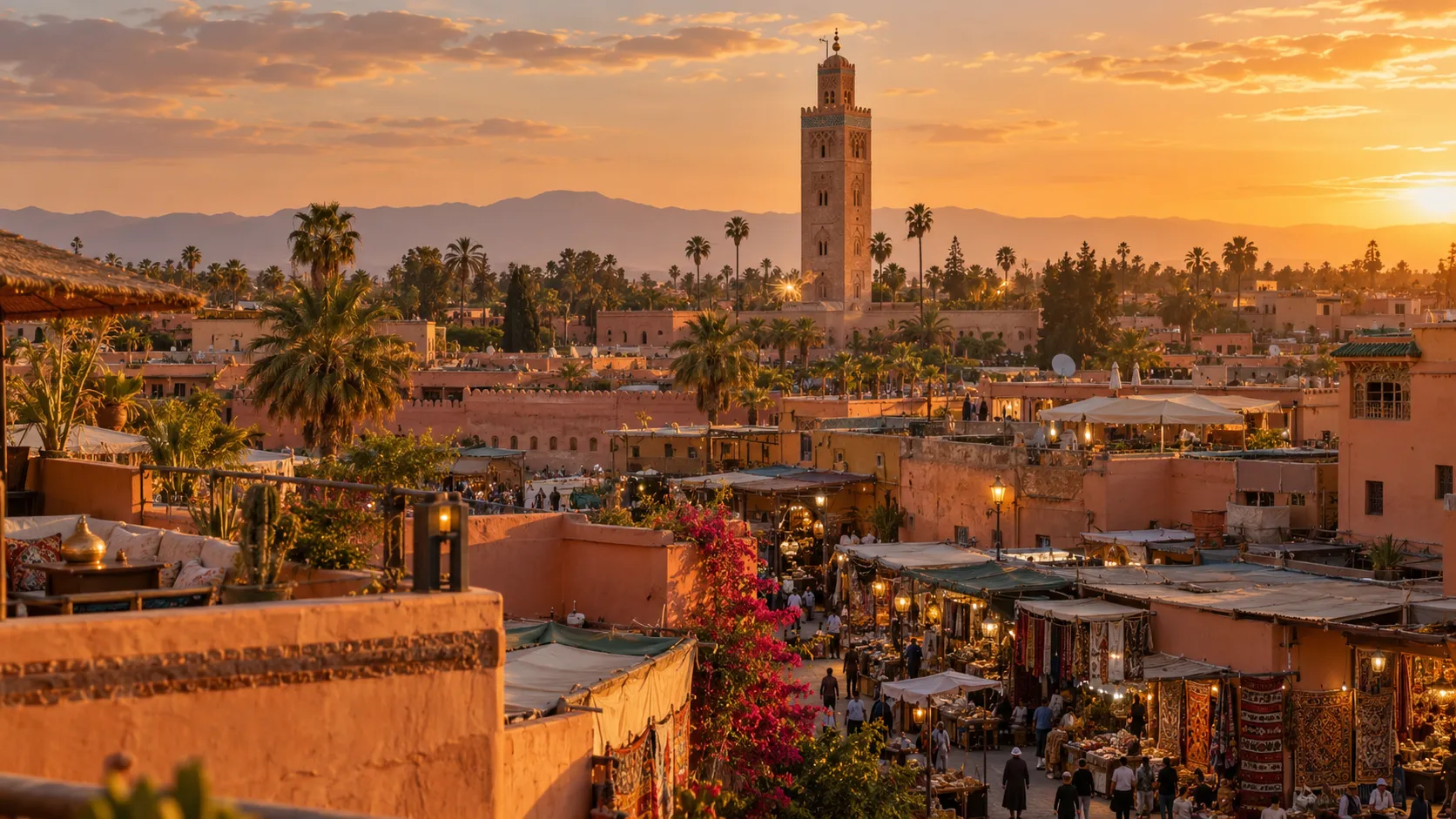
The Koutoubia minaret is one of Marrakech’s main visual landmarks and helps orient visitors around the southern edge of the medina.
Most non-Muslim visitors experience the mosque from the exterior and surrounding gardens rather than entering the prayer space. The area works particularly well as part of a walk between the medina and Jemaa el-Fna.
Late afternoon can be a pleasant time to walk around this part of the city before returning toward the square for the evening.
Majorelle Garden
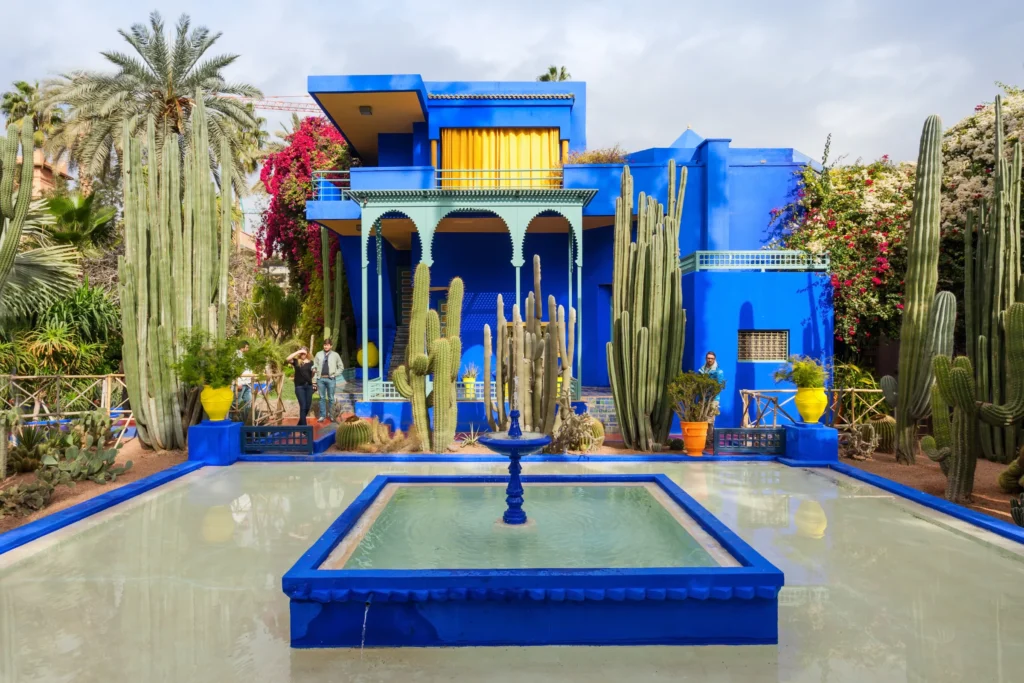
Majorelle Garden provides a very different atmosphere from the medina. Developed by painter Jacques Majorelle and later preserved by Yves Saint Laurent and Pierre Bergé, the garden combines distinctive architecture, strong color and a diverse botanical collection.
It is one of Marrakech’s most popular attractions, so it is worth planning rather than assuming you can fit it between several medina monuments without considering travel time.
Combine Majorelle with Guéliz or other parts of the modern city rather than repeatedly traveling back and forth between the garden and the southern medina.
Menara Gardens
Menara Gardens offer a more open landscape built around olive groves, a large basin and pavilion. The experience is simpler than Majorelle, but the gardens provide space away from the narrow streets of the medina.
They work best when you want a quieter walk rather than another heavily structured sightseeing visit.
Do More Than Visit Monuments
The French Marrakech material being merged into this guide correctly highlights that the city becomes more interesting when the trip includes experiences rather than only landmarks.
Stay in a Riad
A traditional riad can make the accommodation itself part of the Marrakech experience. Many are organized around interior courtyards and rooftop terraces, creating a surprisingly quiet environment behind busy medina streets.
Before booking, check how far the property is from vehicle access. Some medina riads require walking through pedestrian lanes with luggage.
Take a Moroccan Cooking Class
A cooking class gives you time to understand ingredients and preparation rather than simply ordering another tagine at a restaurant. It can also provide useful context for spices and foods you see later in the markets.
Try a Hammam
A hammam can be a useful slower activity after several days of walking. Experiences range from traditional public bathing environments to private spa-style treatments, so check what type of experience is being offered before booking.
Spend Time With Artisans
Look beyond finished products in souvenir shops. Parts of the medina still contain working spaces where craftspeople make metalwork, leather goods, textiles and other products.
Always ask before closely photographing somebody at work or entering a space that is clearly functioning as a private workshop.
What to Eat in Marrakech
Marrakech is a good city for exploring Moroccan food, but there is no need to treat one specific dish or restaurant as mandatory.
You will commonly encounter tagines, couscous, pastilla, grilled meats, breads, pastries, salads, olives and mint tea. Tangia is particularly associated with Marrakech and is worth trying if you want a dish connected more specifically with the city.
Jemaa el-Fna provides one street-food experience, while riads, neighborhood restaurants and contemporary restaurants offer very different settings.
Instead of planning every meal around famous restaurants, leave room for recommendations from your accommodation or guide and for places you notice while exploring.
Where to Stay in Marrakech for a First Visit
| Area | Best for | Consider before booking |
|---|---|---|
| Medina | Atmosphere, riads and walking access to historic sights | Some properties are reached only on foot |
| Kasbah | Southern medina sights and a slightly different local base | Farther from northern medina attractions |
| Guéliz | Modern restaurants, easier road access and contemporary city life | Less historic atmosphere than staying inside the medina |
| Hivernage | Larger hotels, pools and resort-style comfort | Usually less immersive than a riad stay |
For a first visit, staying inside or close to the medina is useful if historic Marrakech is your priority. Choose Guéliz or Hivernage when easier road access, larger hotels or modern facilities matter more.
Getting Around Marrakech
Walking is the best way to explore much of the medina because many streets are narrow or pedestrian-oriented. Comfortable shoes are more valuable than trying to plan every turn in advance.
For journeys between the medina, Guéliz, Majorelle and other areas, taxis are useful. Confirm how the fare will be handled before the journey begins rather than resolving it after arrival.
If your riad is located deep inside the medina, ask for the nearest practical vehicle drop-off point. Saving that meeting location on your phone can be more useful than relying only on the property’s street address.
For airport arrivals, accommodation transfers or longer excursions, pre-arranged transport can reduce confusion when arriving for the first time.
Best Time to Visit Marrakech
Spring and autumn are popular because daytime conditions are generally easier for walking and sightseeing. These periods work especially well if your plans involve long hours outside in the medina.
Summer can be very hot. If you visit during the hottest months, schedule outdoor sightseeing earlier in the day, protect the middle of the afternoon for rest and choose accommodation with good cooling.
Winter days can be comfortable for sightseeing, but mornings and evenings can feel much cooler than many first-time visitors expect. Bring layers rather than packing only for warm daytime conditions.
Whatever the season, check the forecast shortly before travel. Marrakech conditions can differ considerably from the Atlas Mountains or desert regions if your itinerary continues outside the city.
A Practical 3-Day Marrakech Itinerary
Day 1: Medina, Souks and Jemaa el-Fna
Begin your first morning inside the historic medina. Explore the area around Ben Youssef Madrasa and then gradually move through the souks instead of trying to navigate directly between shops.
Take time for lunch or tea and continue toward Jemaa el-Fna during the afternoon. Visit the Koutoubia area before sunset, then return to the square as evening activity builds.
This first day is deliberately centered on walking. Avoid adding Majorelle or a distant excursion because repeatedly crossing the city makes your introduction more tiring than necessary.
Day 2: Palaces, Tombs and Food
Use the second day for the southern medina. Visit Bahia Palace, then explore El Badi Palace and the Saadian Tombs according to your interests and available time.
After lunch, keep the schedule lighter. A cooking class, hammam, food experience or additional souk time provides a better contrast than adding another long list of monuments.
If you enjoy photography, use late afternoon for quieter medina streets or a rooftop view.
Day 3: Majorelle, Guéliz and a Slower Afternoon
Use the third morning for Majorelle Garden and then spend some time in Guéliz to see a different side of Marrakech beyond the old medina.
The afternoon can remain flexible. Return to a favorite part of the medina, shop after having had time to compare products, book a hammam or spend a few hours enjoying your riad.
If you have little interest in modern Marrakech and would rather experience landscapes outside the city, use the entire third day for a proper excursion instead. Do not try to combine Majorelle Garden with a full Atlas or Ourika Valley day trip.
Best Day Trips From Marrakech
Ourika Valley and the Atlas Foothills
Ourika is one of the easier ways to add mountain scenery to a Marrakech stay. The valley combines river landscapes, villages and walking around Setti Fatma.
If you want to dedicate a full day to the area, see the Ourika Valley and Setti Fatma Waterfalls day trip.
Essaouira
Essaouira provides a strong contrast with Marrakech through its smaller medina, Atlantic coastline, harbor and slower pace. A day trip is possible, although staying overnight is preferable if the coast is an important part of your Morocco trip.
Agafay
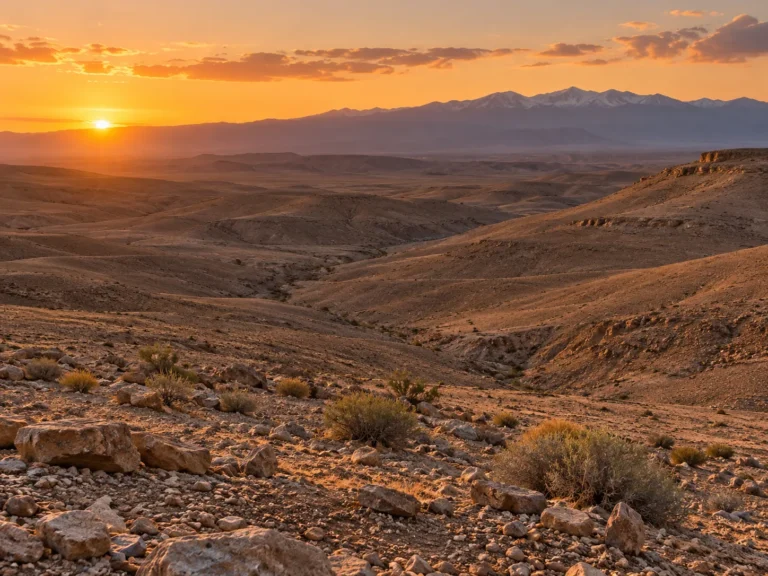
Agafay is useful when you want open landscapes close to Marrakech without committing several days to southeastern Morocco. It is a rocky desert environment and should not be confused with the large Sahara dune landscapes around Merzouga.
The Sahara
Merzouga is not a Marrakech day trip. If the Sahara is important to you, plan a multi-day overland journey rather than trying to fit it into a free afternoon from the city.
Practical Tips for Your First Time in Marrakech
- Use comfortable shoes because exploring the medina involves substantial walking.
- Save your accommodation location and the nearest vehicle-accessible meeting point.
- Keep small amounts of cash available for markets, cafés and smaller purchases.
- Agree or confirm prices before accepting a service when no price is clearly displayed.
- Keep phones and wallets secure in very crowded areas.
- Politely decline unsolicited guiding or directions when you do not want assistance.
- Ask before photographing people closely, especially artisans at work.
- Do not schedule every hour. Free time is particularly valuable in the medina.
- Check current opening arrangements for important attractions shortly before your visit rather than relying on an old itinerary.
Should You Explore Marrakech With a Guide?
You do not need a guide for the entire visit. Marrakech is perfectly suitable for independent exploration once you understand the basic layout.
A local guide is most useful during your first medina walk, when you want historical context, or when you are specifically interested in architecture, crafts or traditional markets.
A good balance is to use a guide for one focused experience and then return independently to the areas that interested you most.
For additional activities and current city experiences, see the Marrakech destination page.
FAQ
Is three days enough for Marrakech?
Yes. Three days gives first-time visitors enough time for the medina, souks, Jemaa el-Fna, major palaces, Majorelle Garden and some unscheduled time. Stay longer if you want to add day trips without reducing your time in the city itself.
Where should I stay in Marrakech for my first visit?
The medina is best if you want riad atmosphere and walking access to historic sights. Guéliz suits travelers who prefer modern restaurants and easier road access, while Hivernage offers larger hotels and resort-style facilities.
Can I walk around Marrakech?
Yes. Walking is the easiest way to explore the medina, while taxis are useful for reaching Guéliz, Majorelle and other areas outside the historic center. Some medina accommodation can only be reached on foot from the nearest vehicle-accessible street.
What should I see on my first day in Marrakech?
Start with the medina and souks, then spend time around Jemaa el-Fna and Koutoubia. Keeping the first day geographically compact helps you understand the city before visiting more distant gardens or taking excursions.
Is Marrakech safe for first-time visitors?
Most visits are straightforward with normal city awareness. Keep belongings secure in crowded areas, confirm prices before accepting services and be cautious with unsolicited offers of guiding or directions. Ask your accommodation for help if you are unsure how to reach somewhere in the medina.
Should I take a day trip if I only have three days in Marrakech?
Only if the excursion is a high priority. For most first-time visitors, three days can easily be spent inside Marrakech itself. With four or more days, adding the Atlas, Ourika Valley, Essaouira or Agafay becomes easier without sacrificing the main city experience.
Plan Your First Marrakech Visit Around the City, Not a Checklist
The most useful Marrakech travel guide is not the one with the longest list of attractions. For a first visit, focus on understanding the medina, explore the souks without rushing, choose a few important monuments, experience Jemaa el-Fna at different times and leave enough space for food, a riad, a garden or an activity that interests you personally.
Three days gives you a strong introduction. More time allows you to slow down or explore the Atlas, coast or surrounding landscapes without treating Marrakech simply as a base for excursions.
Explore destinations, tours and locally organized Morocco experiences with Visit Morocco Together.
Ready to Experience Morocco?
Turn this inspiration into your next adventure. Our travel experts are ready to help.