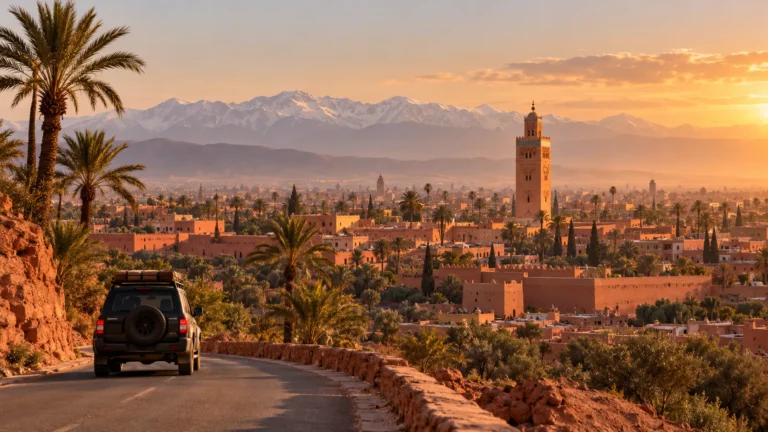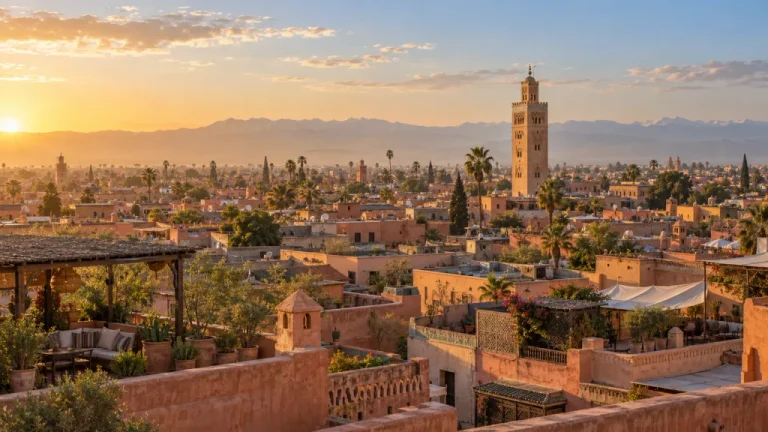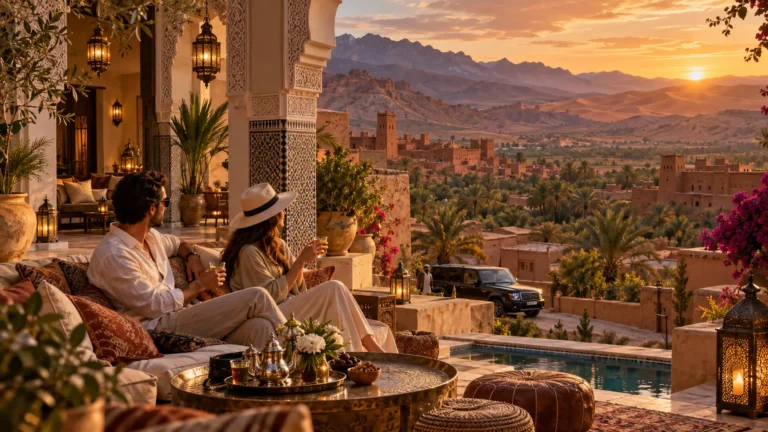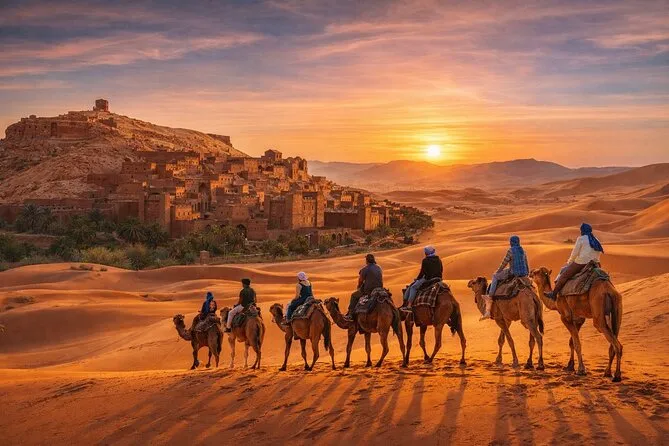
A Morocco desert holiday offers a different perspective on the country from its cities and coast. Around Merzouga, the landscape opens into the Erg Chebbi dunes, where travelers can watch the light change across the sand, ride by camel at sunset, spend a night in a desert camp and wake early for sunrise.
The Sahara experience is not only about reaching the dunes. The journey through mountain passes, palm valleys, towns and desert-edge communities is part of what makes the trip memorable. This guide explains where to go, what a camel trek is like, how desert camps work and how much time to allow.
Morocco Desert Holiday: What the Sahara Experience Includes
A well-planned Morocco desert holiday usually combines several experiences rather than one quick stop at the dunes. Around Merzouga, travelers can explore Erg Chebbi, take a sunset camel ride, stay overnight in a camp and spend additional time discovering the wider desert environment.
The pace matters. Arriving late, taking a short camel ride and leaving immediately after sunrise gives you only a small taste of the region. If the Sahara is an important part of your trip, build in enough time to experience the desert before and after sunset.
Merzouga and the Erg Chebbi Dunes
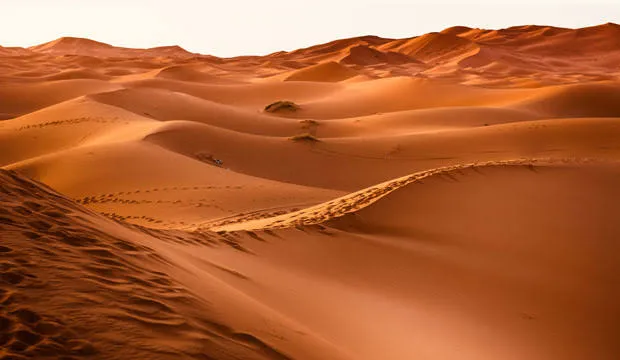
Merzouga is one of Morocco’s best-known gateways to the Sahara. The village sits beside Erg Chebbi, a large field of dunes that changes color throughout the day as the light moves across the sand.
Sunset is popular, but early morning can be just as rewarding. Cooler temperatures, softer light and quieter surroundings make sunrise a good time for walking or photography. Travelers staying more than one night can also explore beyond the main dune area.
For travelers arriving from Marrakech, the 3-day desert and gorges tour from Marrakech combines Merzouga with Dades and Todra, making the changing landscapes part of the Sahara journey.
Camel Trek in Merzouga: What to Expect
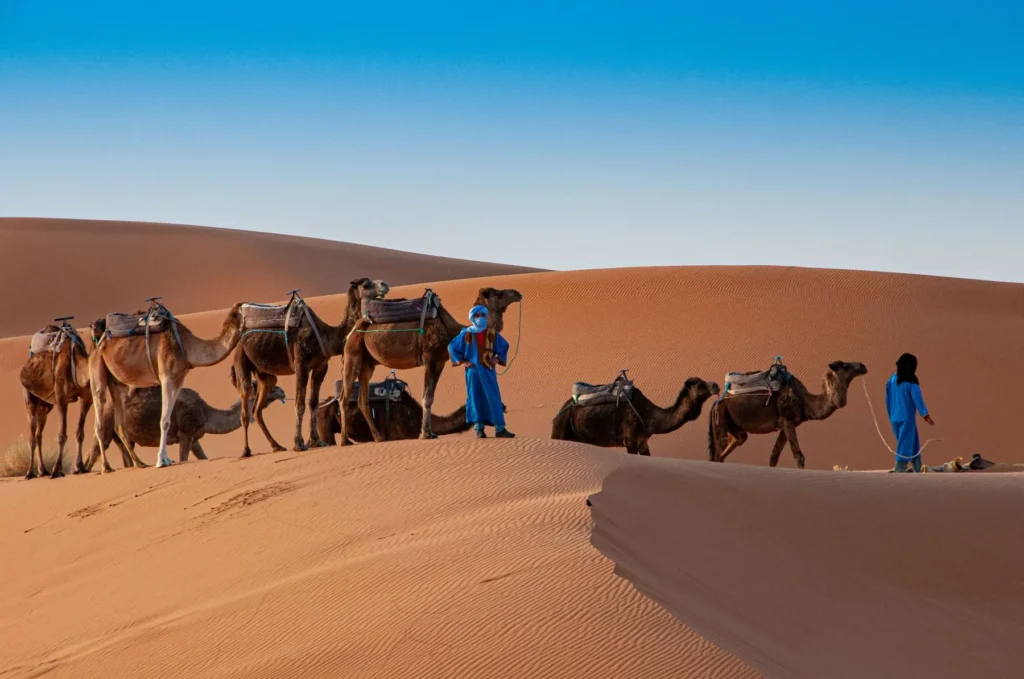
A camel trek is one of the classic elements of a Sahara desert experience. Many rides connected with overnight camps are timed for late afternoon so travelers can cross part of the dunes as temperatures begin to fall.
Camel riding can feel unfamiliar, especially when the animal stands up or moves across steeper sand. Wear comfortable clothing, secure loose belongings and follow the guide’s instructions. If you have mobility concerns or prefer not to ride, ask whether a 4×4 transfer to the camp is available.
The ride is best viewed as a slow way to experience the landscape rather than a long-distance expedition. The changing light and wide views are usually the main attraction.
Spend a Night in a Sahara Desert Camp
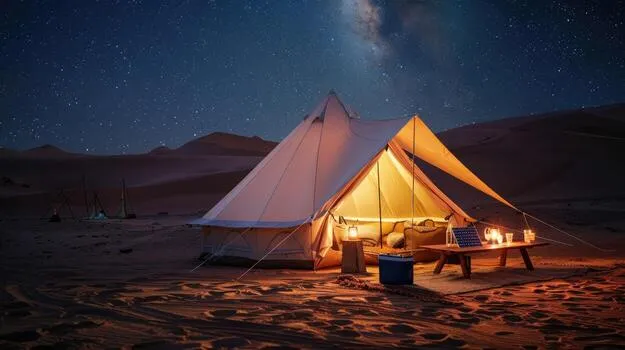
An overnight camp gives the desert experience more depth because you stay among the dunes after day visitors have left. Camps range from simple traditional-style setups to more comfortable options with private tents and additional facilities.
Evenings commonly include dinner and time outdoors, sometimes with music around a communal area. After dark, the limited urban lighting can make the night sky especially clear when weather conditions cooperate.
Temperatures can drop after sunset, particularly outside summer, so bring a warm layer even if the afternoon feels hot. Many travelers wake early for sunrise before breakfast and the return journey toward Merzouga.
Explore More Than the Dunes
The Sahara region is more interesting when you look beyond the main camel route. A longer stay can include a 4×4 excursion around Erg Chebbi, nearby settlements, desert viewpoints and time learning about music, food and daily life around Merzouga.
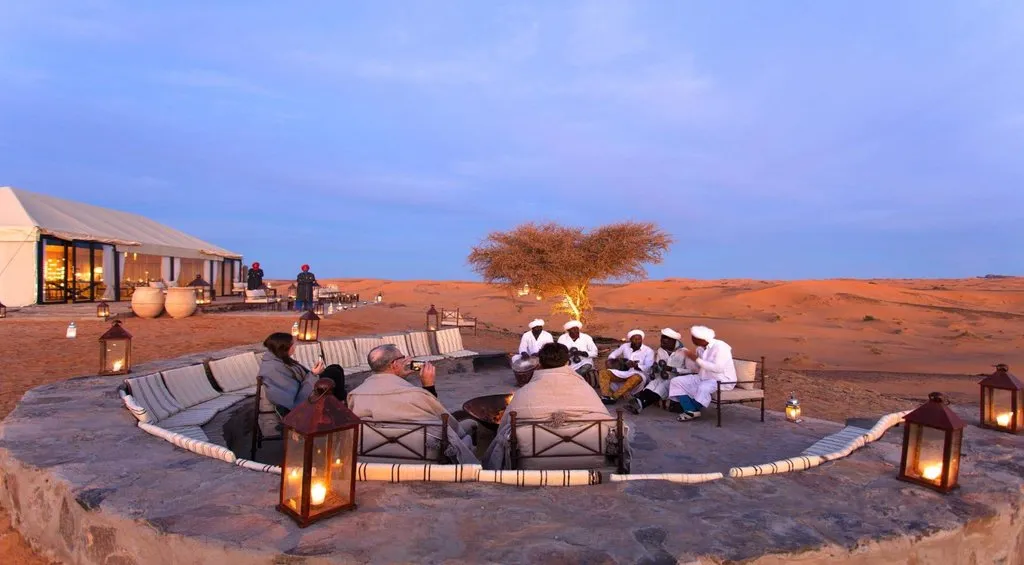
Khamlia is known for Gnawa musical traditions and is often included on excursions in the area. The surrounding region also includes rocky desert plains and seasonal landscapes, adding context to a trip that might otherwise focus only on sand dunes.
Best Time for a Morocco Desert Holiday
October through April is generally the most comfortable period for visiting the Merzouga area, with cooler daytime conditions than the height of summer. Spring and autumn are popular because days can be pleasant while evenings remain cool.
Winter nights can become cold, so warm layers are important for desert camps. Summer temperatures can be intense during the day. In hotter months, plan outdoor experiences for early morning or late afternoon and follow local advice about heat.
How Many Days Do You Need for the Sahara?
The answer depends largely on where you start. From Marrakech or Fes, reaching Merzouga involves substantial road travel, so the desert should not be planned as a rushed overnight excursion.
Three days is a common minimum from Marrakech because it allows the journey to be broken into stages. From Fes, travelers can reach Merzouga through the Middle Atlas and Ziz Valley. If you have more time, adding a second night around Merzouga creates a more relaxed experience.
Travelers beginning in Fes can consider the 3-day Sahara desert adventure from Fes, which follows the route south toward Merzouga.
What to Pack for a Sahara Desert Experience
- Comfortable closed shoes or secure sandals
- Light, breathable daytime clothing
- A warm layer for evenings and early mornings
- Sun protection, including a hat, sunglasses and sunscreen
- A reusable water bottle
- A small overnight bag
- A power bank for phones and cameras
- A scarf or lightweight covering for wind and sand
Pack lightly for the overnight portion. Large luggage can usually remain with your main vehicle or accommodation, depending on how the trip is organized. Avoid leaving waste in the dunes, follow camp guidance on water use and ask before photographing people in local communities.
FAQ
Is a Sahara desert trip worth it?
It can be especially worthwhile for travelers who want a strong contrast to Morocco’s cities and coast. The dunes, overland journey, desert camp and changing landscapes create an experience that is difficult to reproduce in a short city stay.
How long is a camel trek in Merzouga?
Duration varies by camp and route. Many sunset rides connected with overnight camps are relatively short journeys through the dunes rather than all-day treks. Check the exact duration with your operator before booking.
Can I visit the Sahara without riding a camel?
Yes. Some camps and tours can arrange 4×4 transfers, which may suit travelers who do not want to ride or have mobility concerns.
Is one night in the desert enough?
One night gives you time for sunset, an overnight camp and sunrise. Two nights around Merzouga are better if you want to explore the wider region and avoid leaving immediately the next morning.
What should I wear for a Sahara camel trek?
Choose comfortable, breathable clothing that protects you from sun and wind. Long trousers are often more comfortable for camel riding, and a warm layer is useful after sunset.
Plan Your Morocco Desert Holiday
A Morocco desert holiday is most rewarding when the Sahara is treated as a destination rather than a single activity. Give yourself time for the road journey, the dunes, the camp and the landscapes around Merzouga instead of rushing in and out for one photograph.
Whether you start from Marrakech, Fes or another part of Morocco, choose an itinerary that matches your available time and preferred level of comfort. Explore Sahara destinations, camel experiences and multi-day desert journeys with Visit Morocco Together.
Ready to Experience Morocco?
Turn this inspiration into your next adventure. Our travel experts are ready to help.