Morocco is easier to plan when you stop treating it as one single destination. Marrakech, Fes, the Atlantic coast, the Atlas Mountains and the Sahara each create a different travel rhythm, transport requirement and cost structure. A short city stay needs very different planning from a route combining historic medinas, mountain roads, desert camps and coastal towns.
The most useful Morocco travel guide is therefore not simply a list of famous attractions or a generic daily budget table. Your total spend depends on how many bases you visit, how far you travel between them, whether you use trains, buses or private transfers, the type of accommodation you choose and how much time you dedicate to guided activities.
This guide explains how to plan Morocco costs, transport, accommodation, activities, tours and itineraries. It also includes selected “from” prices that were visible on Visit Morocco Together when the original guide was checked on 23 September 2026. These are starting prices rather than universal Morocco rates, and they may change according to travel dates, availability, group size, accommodation and inclusions.
This Morocco travel guide is most useful when you choose your travel purpose before selecting destinations, transport and activities. A traveler mainly interested in medinas and food should not automatically follow the same itinerary as someone whose priority is the Sahara, hiking or Atlantic beaches.
Morocco Travel Guide: Start With the Trip You Want
Before planning individual attractions, decide what kind of Morocco trip you want. The country can support several very different travel styles, and trying to combine all of them into a short itinerary often creates too much time in transit.
Common starting points include:
- A city-based trip with day trips from Marrakech or Fes.
- A private cultural route through the imperial cities.
- A desert-focused journey through the Atlas Mountains and southeastern Morocco.
- A coastal escape around Essaouira, Agadir, Taghazout or Oualidia.
- A mountain-focused trip built around hiking, valleys and villages.
- A country-wide itinerary combining cities, mountains, desert and coast.
- A food, photography, family, wellness, romance or festival-focused journey.
The route becomes easier to design once you know which of these matters most. You can then choose destinations that reinforce the experience instead of collecting famous places simply because they appear on a list.
Where to Go on a First Trip to Morocco
A first trip does not need to include every well-known destination. Marrakech, Fes, Chefchaouen, the Atlas Mountains, Merzouga and Essaouira all offer strong experiences, but they are spread across different regions.
Marrakech
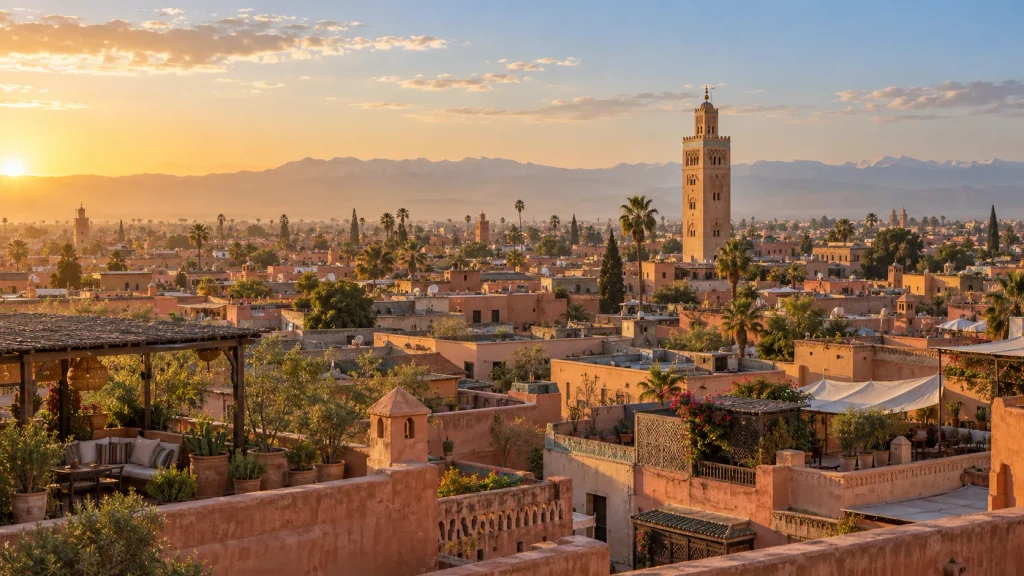
Marrakech combines a historic medina, souks, palaces, gardens, food, riads and a wide choice of activities. It is also a practical starting point for trips toward the High Atlas, Essaouira and southern Morocco.
For most first-time visitors, two or three nights gives enough time to explore the historic center without treating the city only as a departure point for excursions.
Fes
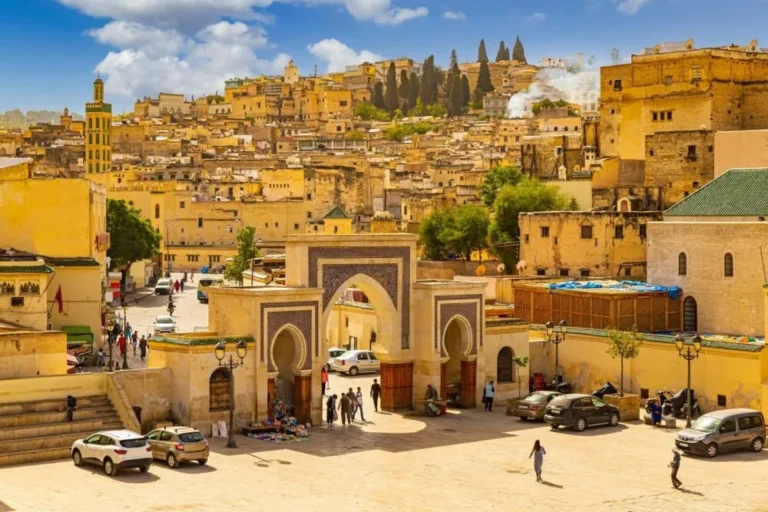
Fes works particularly well for travelers interested in history, traditional crafts, architecture and medina culture. Fes el-Bali is dense and rewards slower exploration rather than a rushed sightseeing route.
Fes also connects naturally with Meknes, northern Morocco and routes arriving from the Sahara.
Chefchaouen
Chefchaouen offers a smaller-city experience in the Rif Mountains. Its blue-painted medina, slower pace and surrounding mountain scenery make it a useful contrast to Marrakech or Fes.
It fits most naturally into a northern route with Tangier or Fes rather than as a quick detour from a short southern Morocco itinerary.
The Atlas Mountains
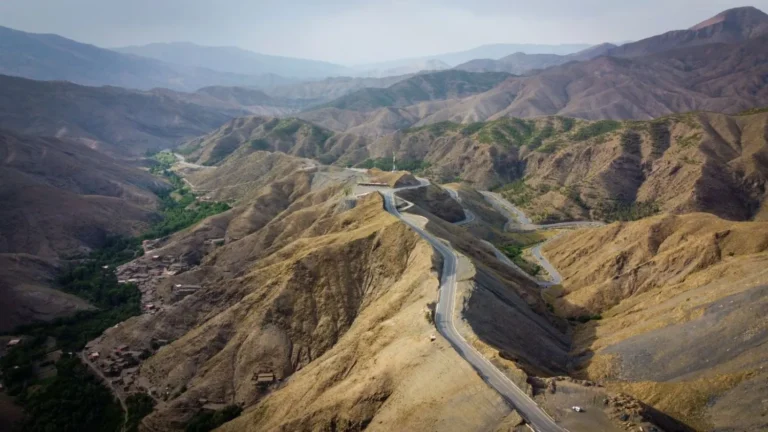
The Atlas Mountains can be included as a short excursion or become a major part of an active itinerary. Imlil, the Ourika Valley and other mountain areas offer different levels of walking, village visits and scenery.
Travelers who are primarily interested in hiking should allocate real trekking time rather than treating the mountains only as scenery viewed from a vehicle.
Merzouga and the Sahara
Merzouga is one of Morocco’s main gateways to the Erg Chebbi dunes. A Sahara experience may include dunes, a camp stay, sunrise or sunset, local cultural experiences and either camel or vehicle-based access.
Merzouga is not a quick excursion from Marrakech. The journey should be planned as a multi-day road route through southern Morocco, often including the High Atlas, Ait Ben Haddou, Ouarzazate, Dades and Todra.
Essaouira and the Atlantic Coast
Essaouira combines a historic medina, port, Atlantic coastline, restaurants and a much slower pace than Marrakech.
Other Atlantic destinations such as Taghazout, Agadir, Oualidia, Mirleft, Sidi Ifni and Legzira create different experiences. Avoid treating the entire Moroccan coast as one uniform beach destination.
Best Time to Visit Morocco
There is no single best season for every part of Morocco. Coastal cities, inland medinas, high mountains and the Sahara can experience very different conditions at the same time.
Spring
Spring is popular for multi-region itineraries because conditions are often comfortable for walking, road travel, cities and southern Morocco. Mountain landscapes can also be particularly appealing during this period.
Summer
Summer can be very hot in Marrakech, Fes and southeastern Morocco. Travelers visiting inland areas should plan outdoor sightseeing earlier and later in the day, with more rest during the hottest part of the afternoon.
The Atlantic coast can offer a very different climate, which is one reason Essaouira, Agadir and Taghazout can be attractive additions to a summer trip.
Autumn
Autumn is another useful season for trips combining cities, mountains and the Sahara. It works well for travelers who want active sightseeing without the peak summer heat of inland regions.
Winter
Winter can provide comfortable daytime sightseeing in several cities, but mornings and evenings may be much cooler than first-time visitors expect. Desert nights can be cold, and mountain routes require attention to current road and weather conditions.
Check conditions for every region on your itinerary instead of packing according to the Marrakech forecast alone.
Morocco Travel Guide: What Does a Trip Cost?
This Morocco travel guide explains how to plan costs without relying only on generic daily budget estimates.
The first layer is your fixed travel structure: international flights, accommodation, airport transfers, intercity transport and the number of nights. The second layer is variable spending, including meals, entrance fees, guides, shopping, tips and optional activities. The third layer is particularly important for Morocco: the cost of moving between different regions.
A short Marrakech trip can be relatively simple because you may stay in one base and add day trips. A journey combining Marrakech, Fes, the Sahara, Chefchaouen and the Atlantic coast requires significantly more transport, planning buffers and accommodation changes.
Before comparing prices, decide which travel structure matches your priorities:
- A city-based trip with nearby excursions.
- An imperial-city cultural route.
- A desert journey through southern Morocco.
- A coastal trip.
- A mountain-focused itinerary.
- A broader route combining several regions.
The cheapest-looking option is not always the lowest total cost. A low-cost ticket may require additional taxis, luggage handling, station transfers or an extra hotel night. Compare the complete door-to-door journey rather than transport tickets in isolation.
Current Visit Morocco Together Tour Price Examples
The following prices were visible on the Visit Morocco Together tours page and were checked on 23 September 2026. They are preserved here as dated planning references rather than permanent Morocco-wide price benchmarks.
| Visit Morocco Together tour example | Duration | Visible starting price checked 23 September 2026 |
|---|---|---|
| Merzouga Erg Chebbi sunset camel ride | 1 day | From €79 per person |
| Merzouga Rissani Market and Oasis Tour | 1 day | From €109 per person |
| Merzouga cultural tour with Khamlia and nomad experiences | 1 day | From €119 per person |
| Merzouga desert quad bike adventure | 1 day | From €149 per person |
| Merzouga camel trek to desert camp | 2 days and 1 night | From €189 per person |
| Merzouga 4×4 desert camp experience without camel | 2 days and 1 night | From €239 per person |
| Merzouga luxury desert camp experience | 2 days and 1 night | From €289 per person |
| Merzouga, Dades Valley and Ouarzazate highlights | 3 days and 2 nights | From €459 per person |
| Grand Morocco journey | 14 days and 13 nights | From €2,795 per person |
These prices should be used as planning references for Visit Morocco Together products, not as a general daily cost for Morocco. Confirm the current product page, travel dates, availability, room configuration and inclusions before booking.
For a broader comparison, visit the Morocco private tours collection, which includes short activities, desert experiences, regional journeys and longer private itineraries.
Are Visit Morocco Together Prices Fixed?
No. Prices displayed as “from” prices are starting points. The final amount can change according to travel dates, availability, passenger numbers, vehicle type, accommodation level, room configuration and included services.
Always check the current product page or request a current quotation rather than treating an older price reference as a guaranteed future rate.
Where to Stay in Morocco
Accommodation affects both the cost and the character of a trip. Morocco offers traditional riads, larger hotels, boutique properties, guesthouses, mountain accommodation and desert camps.
Riads
Riads are particularly common in historic medinas such as Marrakech and Fes. They can provide more architectural character and a quieter interior atmosphere than larger hotels.
However, some riads are located deep inside pedestrian-only areas. Check the distance from the nearest road-accessible drop-off point if luggage or mobility is a concern.
Hotels and Resorts
Modern hotels can provide easier road access, elevators, connecting rooms, larger pools and facilities that may suit families or travelers who prefer conventional accommodation.
Guesthouses and Mountain Accommodation
Guesthouses can work especially well in valleys, villages and smaller towns. In these settings, the location and hosts may become part of the travel experience.
Desert Camps
Desert accommodation ranges from simple camps to higher-comfort options. Before booking, check sleeping arrangements, private or shared bathrooms, meals, camp access and what the term “luxury” actually includes.
A good Morocco itinerary may combine several accommodation styles rather than choosing the same category everywhere.
How to Get Around Morocco
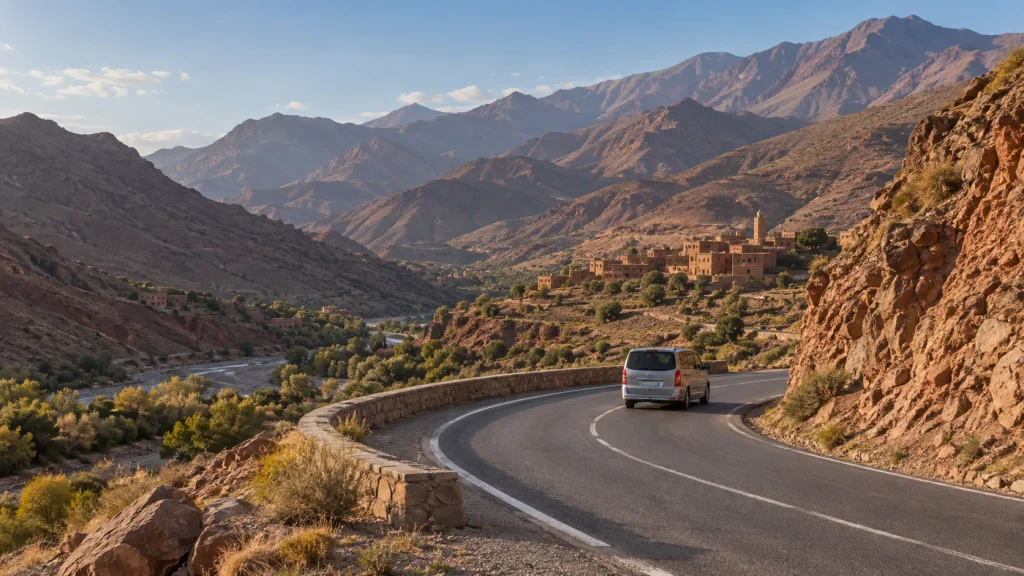
Morocco transport works best when you match the transport type to the geography of your itinerary.
Trains
Trains are useful for major city connections, especially when your route follows the rail network. Use the official ONCF timetable and booking pages to check current schedules and fares for your specific date.
Train travel works particularly well when the journey is simply between cities and you do not need multiple scenic stops along the way.
Long-Distance Buses
Long-distance buses are useful for destinations that are not directly connected by train or when the bus network fits your route more effectively. CTM is one of the major national operators, and its official website provides current schedules, routes and booking information at ctm.ma.
When comparing transport, include the time and cost required to reach the station and continue from the arrival station to your accommodation.
Private Transfers
Private transfers become more valuable when your itinerary includes the desert, mountain villages, coastal towns or several sightseeing stops in one day.
They are also practical when traveling with luggage, arriving late, traveling as a family or trying to reduce the number of separate local connections.
Visit Morocco Together Transfer Price Examples
The Visit Morocco Together transfer page displayed the following examples when checked on 23 September 2026:
- Marrakech to Marrakech airport transfer example from €45, approximately 15 minutes and 15 kilometres.
- Marrakech to Essaouira from €170, approximately 2 hours and 55 minutes.
- Fes to Chefchaouen from €190, approximately 3 hours and 20 minutes.
These are dated “from” prices preserved from the original guide. The exact amount depends on the selected route, travel date, passenger number, vehicle and availability. Check the live Morocco private transfers page before making a booking decision.
Rental Cars
A rental car can provide flexibility for independent travelers, especially on routes where public transport would require several connections.
Think about parking, navigation, mountain roads, luggage security and whether you actually need a vehicle during city stays. Much sightseeing inside Marrakech and Fes is done on foot.
Private Transfer or Public Transport?
Public transport can be a good choice when you are traveling between well-connected cities and have enough time to manage stations, luggage and local taxis.
A private transfer is generally more useful when the journey itself includes sightseeing, when you want hotel-to-hotel transport or when the route connects smaller destinations.
For example, traveling from Marrakech toward the Sahara is not only a question of reaching Merzouga. The route may include the High Atlas, Ait Ben Haddou, Ouarzazate, the Dades Valley and Todra Gorge.
The right question is not simply, “Which option is cheaper?” Ask instead:
- How many people are sharing the vehicle?
- How much luggage are you carrying?
- How many stops do you want?
- Will public transport require additional taxis?
- Do you need flexibility if weather or fatigue changes the plan?
- Is the transport a sightseeing day or only a point-to-point transfer?
Money, Cash and Cards
Morocco uses the Moroccan dirham. Cash remains useful for small purchases, markets, cafés, taxis and other everyday transactions, while many hotels, restaurants and larger businesses accept cards.
Payment options vary between sellers, so do not assume that every market stall, restaurant or activity provider accepts the same methods.
When paying electronically, check the amount and currency before confirming the transaction. Keep receipts for larger purchases or services you may need to document later.
The Best Activities to Add to a Morocco Itinerary

The best activities are those that reinforce your route instead of making it more complicated.
Marrakech
In Marrakech, travelers often combine medina exploration, gardens, food experiences, architecture and nearby Atlas Mountain excursions.
Fes
Fes suits a slower cultural itinerary focused on history, craft traditions, religious architecture, food and the old medina.
The Sahara
The desert requires more planning than a simple city activity. Consider the length of the approach route, the season, the physical demands of camel trekking, the alternative of a 4×4 transfer and whether you prefer a simpler or higher-comfort camp experience.
A camel trek is not necessary in order to experience the Sahara. A 4×4 experience can be an alternative for travelers who prefer not to ride a camel or who have mobility considerations.
The Atlantic Coast
Coastal activities can be built around surfing, seafood, walking, photography, fishing, beaches and slower multi-night stays.
Essaouira, Taghazout, Oualidia, Agadir, Mirleft, Sidi Ifni and Legzira create different experiences, so avoid treating the Atlantic coast as one uniform destination.
The Atlas Mountains
Mountain activities range from short walks and valley visits to multi-day trekking. Match the route to your experience, fitness, weather and available time.
Use the Morocco activities and experiences collection to compare experiences by destination. Before booking, check the meeting point, duration, inclusions, physical requirements, weather policy, equipment and whether the activity is private or shared.
Food and Culinary Experiences in Morocco
Food is a useful way to understand regional differences rather than simply another activity to add to the itinerary.
Moroccan meals may include tagines, couscous, pastilla, harira, salads, bread, pastries and mint tea, but regional food traditions vary. Coastal destinations add fresh seafood, while Marrakech, Fes and other cities each have their own food culture and specialties.
Travelers particularly interested in food can combine restaurants and market visits with a cooking class. This provides more context for ingredients and techniques that will appear throughout the rest of the journey.
Do not schedule every meal around a famous restaurant. Recommendations from your accommodation, guide or places you discover while walking can create a more flexible experience.
Moroccan Markets, Souks and Crafts
Shopping and market visits are part of many Morocco itineraries, but they do not need to become the purpose of every medina visit.
Marrakech offers a broad mix of textiles, leather, lanterns, pottery, rugs, spices and homewares. Fes is particularly interesting for traditional craft areas, leatherwork, ceramics and metalwork. Other cities and regions have their own traditions.
Use market visits to understand products and craftsmanship even when you do not intend to buy anything.
When shopping, ask what an item is made from, where the specific piece was produced and how it should be cared for. Do not assume that everything sold in a medina was made locally.
Add Morocco’s Football Story to the Itinerary

Football can add a strong local angle to a Morocco trip when it is connected naturally to a city or region.
Casablanca is associated with major clubs including Wydad AC and Raja CA. Rabat is home to AS FAR, while Marrakech, Fes, Agadir and Tangier also have important football communities and local sporting identities.
These references should be used as cultural context rather than as a replacement for a destination’s history, food, architecture or landscapes.
A football-focused travel angle might include a stadium-area visit, discussion of Moroccan football history with a local guide or a city itinerary that considers the relationship between sport and urban identity.
Match schedules and ticket availability should always be verified through official club or competition channels before being included in a bookable itinerary.
Morocco, Football and the 2030 World Cup
Morocco’s national team created a major tourism conversation after its historic run at the 2022 FIFA World Cup.
Morocco is also scheduled to co-host the 2030 FIFA World Cup with Spain and Portugal. Future-event content needs careful handling: venues, match schedules, ticket prices and official travel packages should not be presented as confirmed unless they have been published by FIFA, the organizing committee or another official authority.
You can treat the 2030 World Cup as a future planning opportunity, but do not build a confirmed travel itinerary around unverified match locations, tickets or packages.
How to Choose the Right Morocco Tour Type
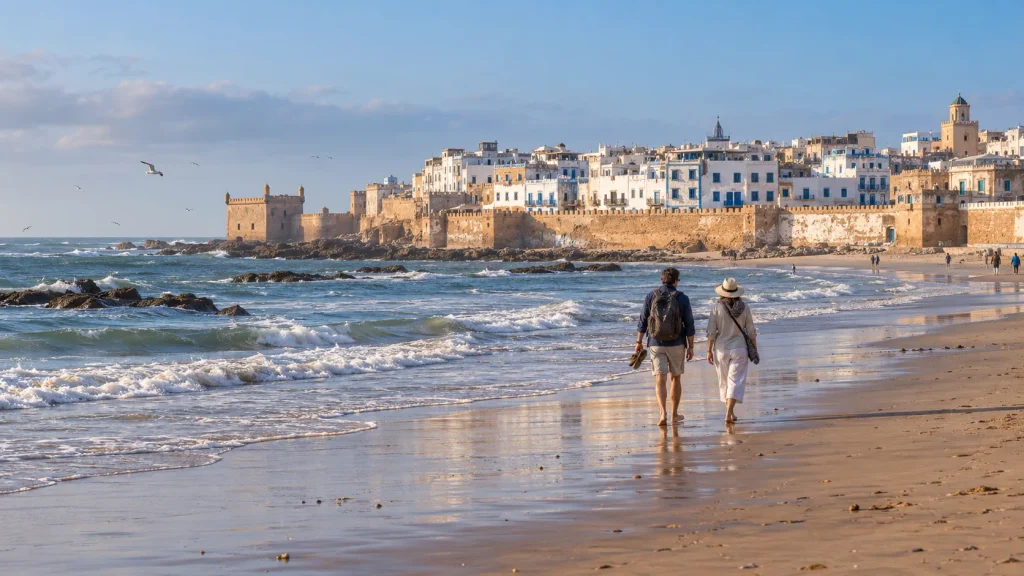
Your tour type should reflect the way you want to travel, not only the places you want to visit.
Visit Morocco Together groups travel products around different purposes, including desert expeditions, cultural discoveries, coastal escapes, mountain adventures, festival travel, photography journeys, family travel, solo exploration, wellness, romance and tailor-made journeys.
Desert Expeditions
A desert expedition suits travelers who want landscapes, night skies, camp accommodation and a stronger focus on southeastern Morocco.
Cultural Discoveries
A cultural journey suits travelers interested in medinas, history, architecture, cuisine, local crafts and guided interpretation.
Coastal Escapes
A coastal escape works well for travelers who prefer ocean scenery, seafood, relaxed days, water activities and fewer long inland drives.
Mountain Adventures
Mountain itineraries suit hiking, village visits, scenic roads and cooler environments, but they require more attention to fitness, weather and road conditions.
Family, Romance, Photography and Wellness
Families may prefer fewer hotel changes and shorter driving days. Couples may prioritize riads, spa time and slower coastal stays. Photographers need more flexibility around sunrise, sunset and scenic stops, while wellness-focused travel may combine hammams, comfortable accommodation and slower pacing.
Explore the complete Morocco holiday types before choosing a product. This makes it easier to compare travel purpose, pace, destination and activity level instead of selecting a tour only because its title contains a popular city.
Morocco Itinerary Ideas by Trip Length
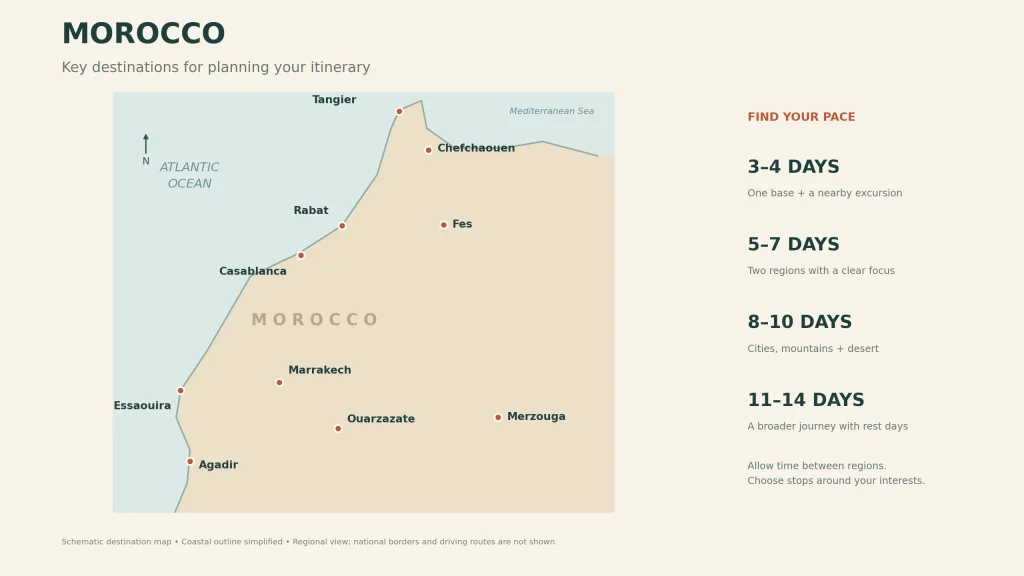
The best itinerary depends on the number of nights and your tolerance for long travel days.
Three to Four Days
Choose one major base and one nearby region. Marrakech with an Atlas Mountain or coastal day trip is more comfortable than trying to include Marrakech, Fes, Chefchaouen and the Sahara in one short visit.
A desert-focused three-day route can work if you accept substantial driving and choose a carefully structured itinerary. The Visit Morocco Together Merzouga, Dades Valley and Ouarzazate example was shown from €459 per person for three days and two nights when checked on 23 September 2026.
Five to Seven Days
A week allows two strong travel themes. Examples include Marrakech and the desert, Fes and Chefchaouen, or Marrakech and the Atlantic coast.
Avoid changing hotels every night unless the road journey itself is the main purpose of the trip. A better seven-day itinerary generally protects at least two longer stays.
Eight to Ten Days
This length allows a more balanced journey. You can combine an imperial city, the Atlas region, a desert route and another city or coastal extension.
Marrakech through southern Morocco and Merzouga before finishing in Fes is one example of a geographically logical route.
Build in a recovery buffer after a long desert transfer. Travelers often underestimate how much a slower day improves the experience after several hours on the road.
Eleven to Fourteen Days
Two weeks provides enough time for a broad Morocco journey when the route follows regional logic.
You can combine northern Morocco, imperial cities, the Atlas Mountains, the Sahara and selected Atlantic destinations, but a longer trip should still avoid collecting places without giving them enough time.
The Visit Morocco Together page displayed a 14-day Grand Morocco Journey from €2,795 per person when checked on 23 September 2026. Treat this as a dated Visit Morocco Together starting reference rather than a permanent national benchmark.
Fifteen Days or More
With more than two weeks, use the extra time to travel more slowly rather than simply introducing more one-night stops.
You can add northern Morocco, longer coastal stays, deeper mountain exploration, Anti-Atlas regions or less familiar destinations while protecting two- or three-night stays in the places you care about most.
Repeat visitors can also skip the classic route entirely and build a trip around one region or travel theme.
Browse the Morocco destinations collection to organize your route geographically before adding individual activities.
Build the Route Before Booking Every Hotel
One of the strongest lessons from itinerary planning is to decide the route before locking in accommodation.
Choose arrival and departure cities first, then identify two or three anchor regions. If possible, use different arrival and departure cities when doing so reduces backtracking.
For example, a journey from Marrakech through southern Morocco and Merzouga can continue toward Fes instead of returning to Marrakech over the same route.
Protect two-night stays in places that matter most. One-night stops can be useful for breaking up long road sections, but repeating them throughout a holiday quickly becomes tiring.
Practical Planning Checks Before Booking
Check entry requirements using Morocco’s official Accès Maroc platform. Eligibility can depend on nationality, country of residence, passport type, travel purpose and other personal details, so avoid relying on an old generic visa paragraph.
Review climate information and weather warnings through Maroc Météo. Climate averages help with broad seasonal planning but do not replace a current forecast for mountain roads, desert nights, coastal wind or extreme heat.
For heritage claims, use authoritative sources such as the UNESCO World Heritage listing for Morocco. Not every historic attraction in Morocco is UNESCO-listed.
Before confirming a tour, check:
- Starting point and ending point.
- Accommodation category and room arrangement.
- Meals and entrance fees.
- Private or shared transport.
- Guide language and guide availability.
- Whether a driver is also acting as a guide or whether local guides are separate.
- Luggage arrangements.
- Activity duration and physical requirements.
- Weather or road-related alternatives.
- Current cancellation and payment terms.
- The exact date on which any quoted price was checked.
Independent Travel or an Organized Morocco Tour?
Neither approach is automatically better.
Independent travel works well when the route connects major cities and you are comfortable coordinating transport, hotels and activities yourself.
An organized or private trip becomes more valuable when you have limited time, want to cross several rural regions, include the Sahara or prefer somebody else to coordinate drivers, accommodation and guides.
Many travelers use a combination: independent city stays with organized road transport, guided medina visits or selected activities.
Plan Your Morocco Trip Around the Experience
A well-planned Morocco itinerary is not simply a list of famous destinations. It is a sequence of experiences that makes geographic, financial and practical sense.
Start by choosing your main travel purpose: culture, desert, coast, mountains, food, photography, family travel, football culture or a combination. Then select regions that support that purpose, calculate the long transfers and add activities only where they improve the route.
For a route that needs private transport, multiple regions or a specific pace, use the custom Morocco trip service to request an itinerary based on your dates and priorities.
Current Visit Morocco Together tour and transfer prices should always be confirmed directly before booking because “from” prices and availability can change.
FAQ
Is Morocco expensive to visit?
Morocco can fit different travel styles, but the final cost depends heavily on route length, accommodation, transport, group size and activities. Desert and multi-region journeys generally require more transport planning than a city-based trip, so one generic daily budget is not useful for every traveler.
How many days are enough for Morocco?
Five to seven days can cover one or two regions with a clear focus. Eight to ten days allows a broader route, while ten to fourteen days is more comfortable for combining cities, mountains, the Sahara and another region without turning every day into a transfer.
Is it better to travel around Morocco by train or private transfer?
Trains are useful for major city connections, while private transfers are more practical for desert routes, mountain villages, smaller coastal towns and multi-stop road journeys. Many itineraries work best with a combination of train, bus and private transport.
Is a camel trek necessary in the Sahara?
No. A 4×4 desert experience is an alternative for travelers who prefer not to ride a camel or who have mobility concerns. Visit Morocco Together has listed both camel-based and 4×4 desert experiences, so choose according to comfort rather than treating camel riding as mandatory.
What is the best Morocco itinerary for first-time visitors?
A first-time itinerary should usually focus on two or three geographic themes rather than attempting the entire country. Marrakech with the Atlas Mountains, a Marrakech-to-Fes Sahara route, Fes with Chefchaouen, or Marrakech with the Atlantic coast are strong starting structures.
Can I include Moroccan football or the 2030 World Cup in my trip?
Yes. Club history, stadium areas, national-team heritage and local football culture can enrich a city itinerary when relevant to your interests. Morocco is scheduled to co-host the 2030 FIFA World Cup with Spain and Portugal, but do not build a confirmed itinerary around match locations, venues, ticket prices or official packages until the relevant authorities publish them.
Build Your Morocco Trip Around Your Priorities
Morocco is not a destination with one fixed travel cost, one perfect itinerary or one travel style that works for everybody. Your final budget and route depend on the regions you visit, the distance between destinations, your preferred transport, accommodation style and the activities you want to include.
The most effective approach is to choose your main travel purpose first, whether that is culture, desert landscapes, coastal relaxation, mountain adventures, food, photography, family travel, football culture or a combination. From there, select destinations that support your interests and use transport that keeps the route practical.
Use official sources to verify entry requirements, weather conditions, transport schedules, heritage information and future events. When comparing Visit Morocco Together tours and transfers, remember that displayed prices are starting prices and should be confirmed for your dates, group size, availability and inclusions.
If you want to combine several regions or create a trip around a specific pace, activity or travel theme, use the custom Morocco trip planner. A well-designed route can help you spend less time managing logistics and more time experiencing Morocco.
Explore destinations, tours and locally organized Morocco experiences with Visit Morocco Together.
Ready to Experience Morocco?
Turn this inspiration into your next adventure. Our travel experts are ready to help.