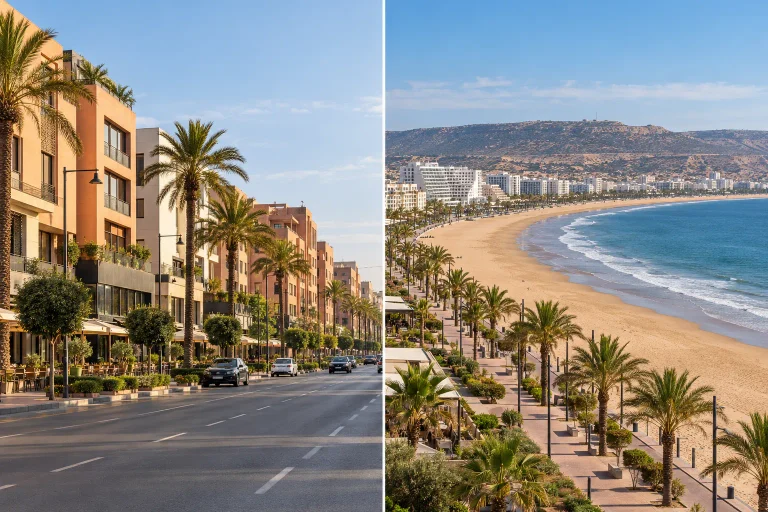
Morocco regions and travel areas make more sense when you separate administrative boundaries from the places that belong together in a holiday. The Rif is a mountain range, the Atlantic coast stretches across several regions, and the imperial cities are a historical group spread around the country.
For travelers, the useful questions are practical: which towns can share a base, where does the landscape change, and which connections deserve several days? A seaside stay in Essaouira, a mountain visit near Imlil, and a desert camp near Merzouga need different arrangements, even when they appear in the same itinerary.
Think of the country as several overlapping travel areas rather than one circuit you must complete. The wider choice of Morocco destinations becomes easier to narrow down once those areas have a clear purpose in your trip.
Morocco Regions and Travel Areas Are Different Ways to Read the Map
Morocco’s administrative framework has twelve regions. The regional profiles published through the Haut-Commissariat au Plan concern those official divisions.
Names such as Marrakech-Safi, Fes-Meknes, Souss-Massa, and Draa-Tafilalet can help you identify where a town sits administratively. They do not tell you how long its journeys take or whether it belongs in the same holiday as another place in that region.
Travel areas serve a different purpose. “Northern Morocco,” “the Atlantic coast,” and “the Atlas Mountains” describe useful groups of landscapes and destinations, with boundaries that vary between itineraries.
The imperial cities are another category again: Fes, Marrakech, Meknes, and Rabat are Morocco’s four imperial cities. Salé is a separate historic city beside Rabat, while Casablanca is a major Atlantic city; neither needs to be labeled an imperial city to justify a visit.
These categories overlap. Rabat is both an imperial city and an Atlantic destination. Marrakech shares an administrative region with Essaouira but is inland. Merzouga is a settlement beside Erg Chebbi, while Erg Chebbi names the dune field.
The Northwest Tangier Tetouan and the Rif

Tangier, Tetouan, Chefchaouen, and the surrounding Rif form a useful starting area for a northern journey. The appeal lies in the contrast between coastal cities, medinas, and mountain settings.
Tangier can anchor a city stay and excursions to Cap Spartel, Hercules Caves, or Asilah. Asilah is on the Atlantic, even though it also fits naturally into a northern itinerary.
Tetouan offers a different urban and architectural focus. Nearby Mediterranean destinations include Martil, M’diq, and Fnideq. Choose the actual coastal base you want rather than treating those names as interchangeable.
Chefchaouen is inland in the Rif. Time there can center on its medina or include an excursion toward Akchour, with the activity and access checked separately.
A mountain walk and a day in a seaside town may both fit a northern holiday, but they have different demands. Ask about walking distance, terrain, weather, and return transport before combining them.
Tangier, Tetouan, and Chefchaouen can be linked in a regional route, subject to the connections you arrange. An excursion from one base may suit a shorter visit; staying overnight elsewhere gives you a different rhythm.
The Mediterranean East and the Oriental
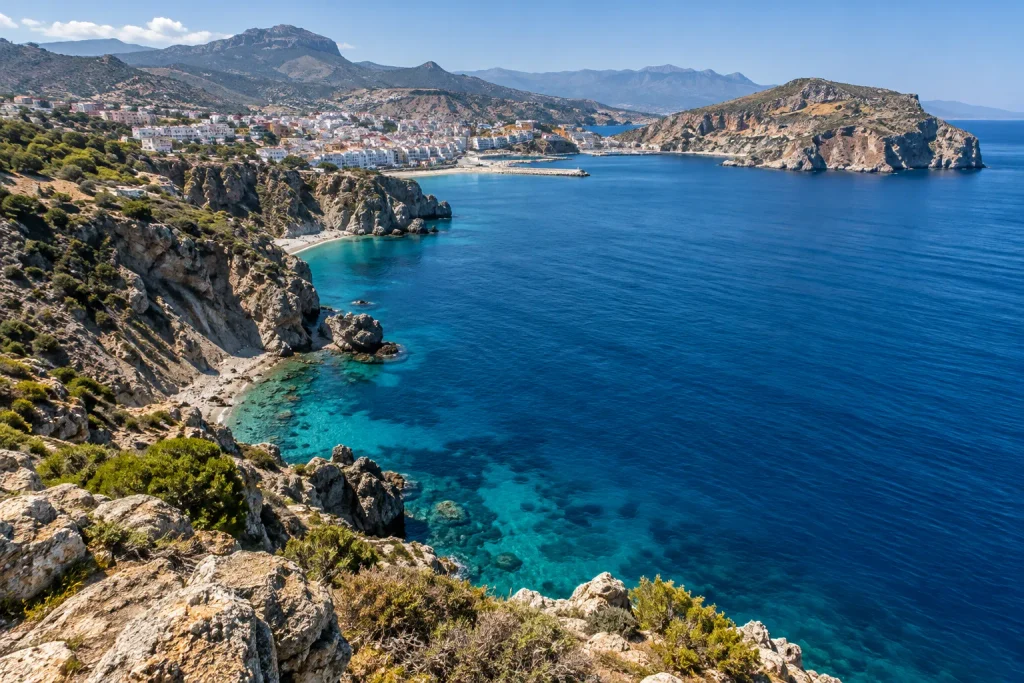
Northern Morocco extends beyond the Tangier–Chefchaouen circuit.
Al Hoceima, Nador, and Saidia offer other Mediterranean settings, while Oujda provides an inland urban focus in the northeast. These destinations should be considered according to the flights, roads, and stays that serve them.
Do not assume they are quick additions to a short Tangier visit simply because they share a coastline or the word “north.” A journey along the Mediterranean can become a substantial part of the itinerary.
The Oriental is an administrative region in the east. Its name is useful on maps and booking addresses, but a coastal holiday and an inland journey within it can still be very different trips.
Choose this area because you want time there. Compare a focused eastern stay with the extra travel required to attach it to an itinerary already centered on Marrakech or the southern valleys.
Fes Meknes and the Inland Historic Cities
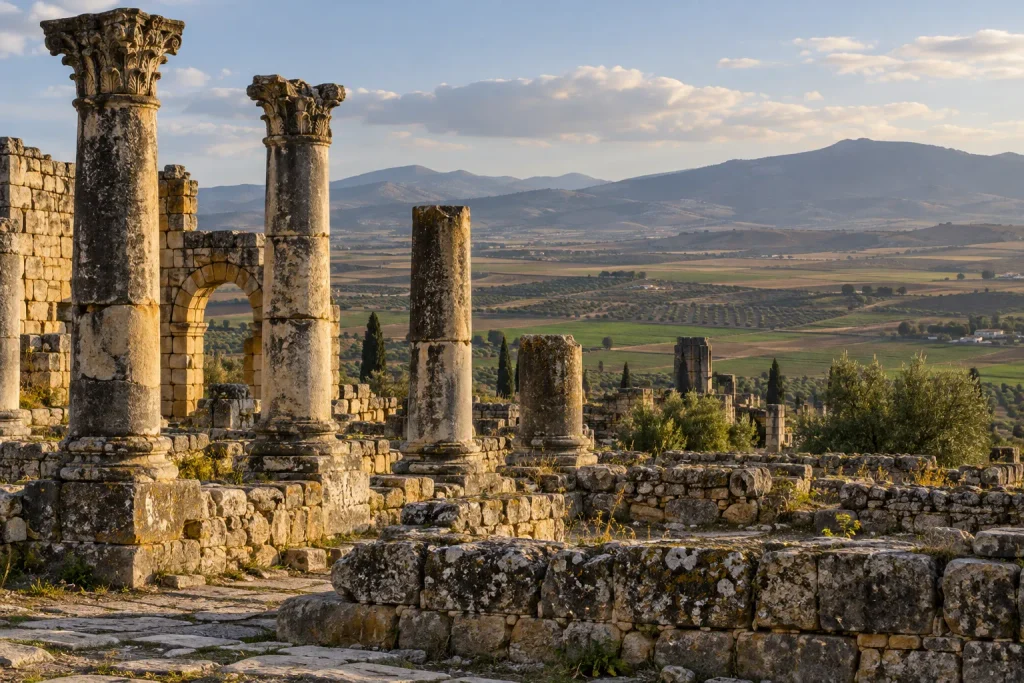
Fes and Meknes form a useful inland pairing when medinas, architecture, and historical visits are central to your interests.
Fes can support several days of city exploration. Meknes, Moulay Idriss Zerhoun, and Volubilis can be considered alongside it, with time allocated to the visits themselves as well as transport.
Volubilis is an archaeological site rather than another city accommodation base. Moulay Idriss Zerhoun is a living town with its own streets and access considerations. Decide whether each place is a stop, an excursion, or an overnight.
This area can connect a northern journey with a longer route toward the Middle Atlas. It also works as a focused city-and-heritage holiday without a desert section.
Avoid choosing it only because Fes appears between other points on a map. If you arrive late and leave early, the city may receive little of the time that made you want to include it.
Rabat Sale and Casablanca on the Atlantic
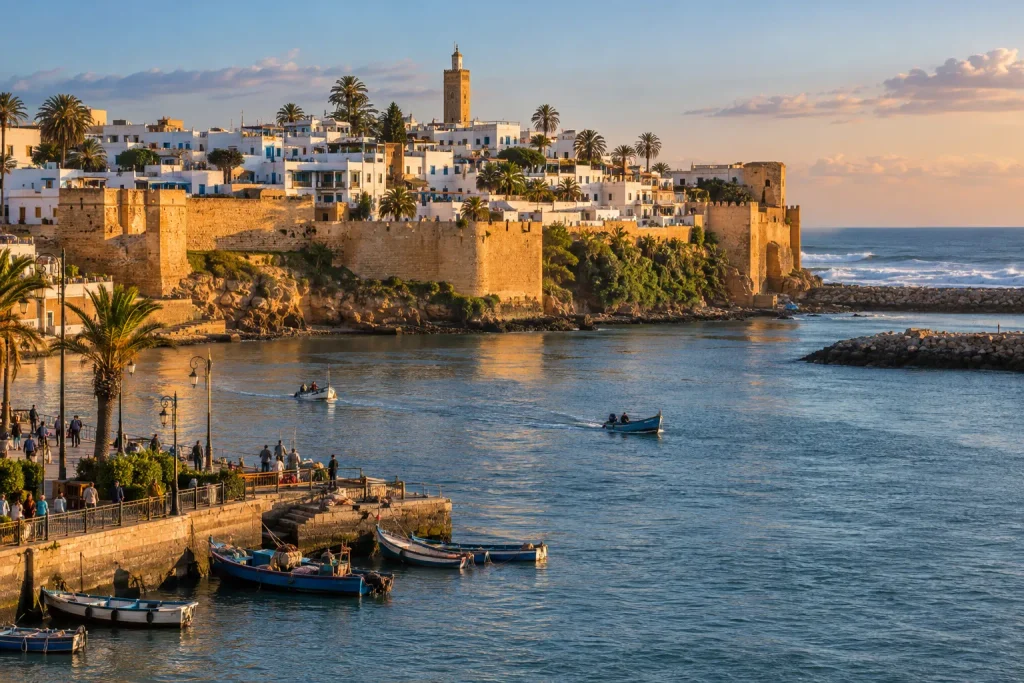
Rabat, Salé, and Casablanca belong to a different travel setting from the Rif and the desert, even when they appear on the same north-to-south route.
Rabat combines historic visits with a present-day capital-city stay. Salé, across the Bou Regreg, can add a separate medina and local perspective.
Casablanca suits travelers interested in urban architecture, contemporary city life, and the Hassan II Mosque. An airport connection and a city visit are separate decisions; landing nearby does not automatically give you time to explore.
These cities can form part of a journey between northern Morocco and Marrakech. Check the actual stations, services, and accommodation locations before deciding how they connect.
For this area, distinguish a waterfront walk from a beach holiday. An Atlantic address does not establish sheltered swimming conditions or the resort setting you may have in mind.
The Central Atlantic El Jadida Oualidia Safi and Essaouira

Farther along the Atlantic, El Jadida, Oualidia, Safi, and Essaouira give you several different reasons to stay by the coast.
El Jadida can suit a visit focused on its historic Portuguese City and waterfront. Oualidia is associated with a lagoon setting, with activities dependent on the conditions and arrangements offered locally.
Safi adds a ceramics and working-city focus. Essaouira combines a medina, port, coastal walks, and opportunities for activities outside town.
The Essaouira coastal setting can provide a change of scene after an inland stay. Whether you want two quiet evenings, water sports, or several excursions determines how much time it needs.
Sharing an ocean does not make these towns neighboring stops. Compare the complete road or scheduled-service connections before building a coastal sequence.
Wind and sea conditions also matter. A port visit, lagoon activity, surf session, and swimming day each require their own checks.
Marrakech the Haouz Plain and Nearby Excursions
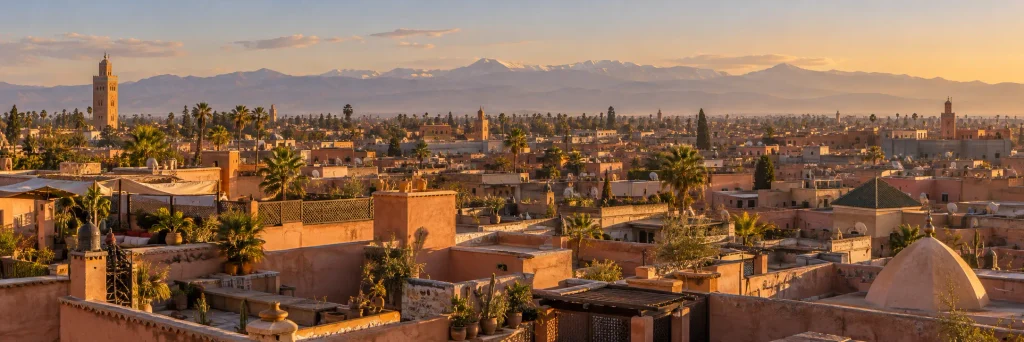
Marrakech is an inland city near the High Atlas. It is a base for city visits and several different kinds of excursion, not a coastal or dune destination.
Inside the city, your days may focus on medinas, gardens, architecture, food, and contemporary neighborhoods. Beyond it, decide which landscape you want.
Agafay is a stone-desert landscape outside Marrakech. It offers a different setting from the sand dunes near Merzouga and does not replace the geography of a Sahara journey.
Ourika Valley, Imlil, and Oukaïmeden take you toward different High Atlas environments. They should not be grouped into a single “Atlas day trip” without examining the actual route and activity.
Ouzoud Waterfalls is another possible destination to investigate, but it belongs to a separate excursion direction. Do not assume that everything sold from Marrakech is close to the city or can be combined in one day.
The administrative name Marrakech-Safi includes both inland and coastal places. That shared label does not remove the transfer between Marrakech and Essaouira or Safi.
The Atlas Mountains Choose the Specific Range and Base

The Atlas is a broad mountain system. Saying you want to “visit the Atlas” leaves several important choices unresolved.
The High Atlas
Imlil and the Toubkal area suit travelers considering mountain walks or trekking. Ourika Valley and Oukaïmeden provide other approaches and activities.
A village visit, a short valley walk, and a summit trek require different time, equipment, and support. Check the actual itinerary rather than choosing from a mountain photograph.
Marrakech can be a starting point, but some activities justify a mountain overnight. Accommodation access and walking requirements should be part of the decision.
The Middle Atlas
Ifrane, Azrou, and the surrounding Middle Atlas landscapes offer a different mountain setting. They can fit a journey south from Fes or a dedicated stay.
A roadside stop does not provide the same experience as time for walks and local exploration. Decide whether the mountains are a destination or scenery along a transfer.
Do not confuse the Middle Atlas with the Rif around Chefchaouen. Both are northern or central mountain choices, but they belong to different routes.
The Central Atlas Foothills and Lakes
Beni Mellal, Azilal, Bin El Ouidane, and the wider Ouzoud area can support a journey focused on lakes, waterfalls, and mountain surroundings.
This is worth considering as its own area rather than a collection of extras attached to Marrakech.
Visit Morocco Together’s Bin El Ouidane viewpoints and water-activity outing is one local option to investigate. Confirm where it starts, which activities are included, and how weather or water conditions affect the program; a local outing does not establish transport from another city.
Across all mountain areas, check conditions for the actual altitude, route, and date. A forecast for the nearest major city is only part of the picture.
South of the High Atlas Kasbahs Valleys and Gorges
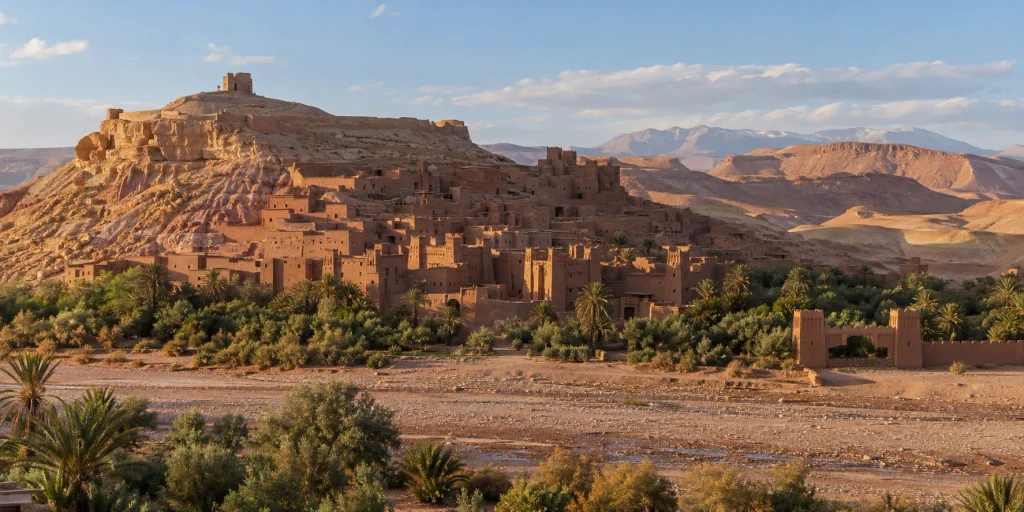
Crossing toward Ouarzazate takes you into a route of settlements, fortified architecture, valleys, and increasingly dry landscapes. This area deserves more description than “the road to the desert.”
Ait Ben Haddou is a fortified settlement that can be visited as part of a planned journey. Ouarzazate can serve as a base or overnight stop, depending on what you want to do locally.
Skoura offers a palm-oasis and kasbah setting. Dades Valley and the Todra Gorge area near Tinghir add different valley and gorge experiences.
These places can form stages of a southern road journey. They are not all dune locations, and seeing a kasbah does not mean you have reached a desert camp.
Choose stops according to their role. If you want a walk in a valley, reserve time for the walk. If a town divides a long drive, say so in the plan rather than counting the overnight as a full visit.
This travel area overlaps parts of the administrative Draa-Tafilalet region. The administrative boundary is less useful for your daily schedule than the road, overnight location, and visits you have arranged.
The Desert Gateways Merzouga and the Draa Valley
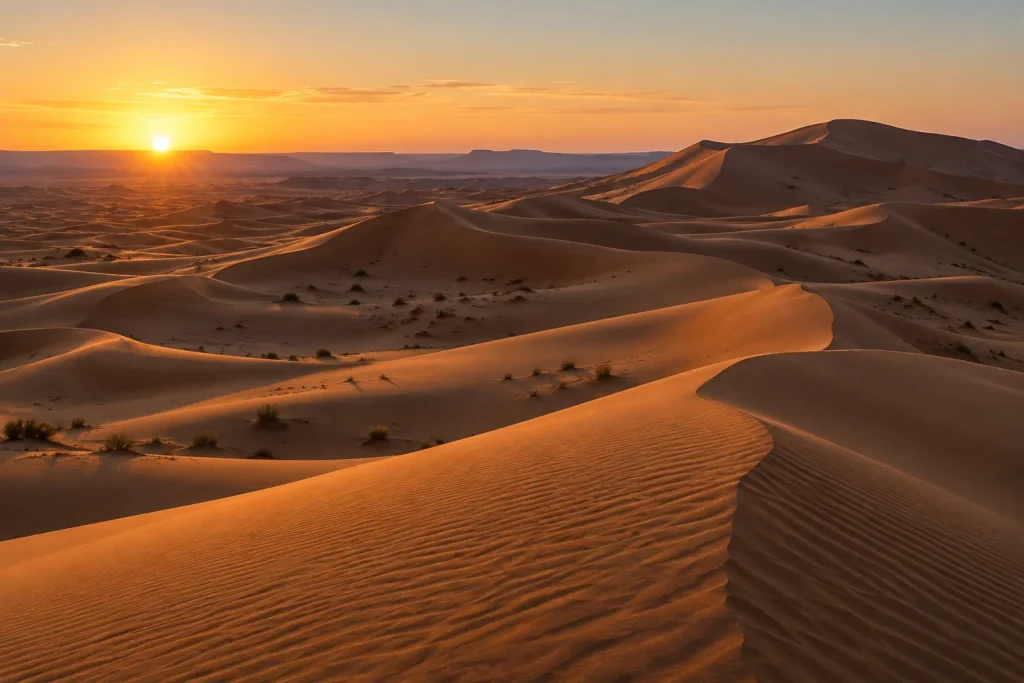
Desert travel has more than one approach. Start by naming the place you want to reach.
Merzouga Erfoud Rissani and Erg Chebbi
Merzouga sits beside the Erg Chebbi dunes. Erfoud and Rissani are settlements in the wider area, with their own visits and services.
A booking described as “Merzouga” may involve a village property, a hotel beside the dunes, or a camp reached by a separate arrangement. Confirm the actual overnight location.
The Merzouga and Erg Chebbi area makes sense when the dunes are a priority and you can allow the complete outward and onward journeys.
Do not automatically count Merzouga and Erg Chebbi as two separate city stays. They describe connected parts of the same travel area.
Zagora Mhamid and Erg Chigaga
Zagora belongs to the Draa Valley approach, while Mhamid is a gateway for journeys toward Erg Chigaga.
A visit to Zagora does not automatically include reaching Erg Chigaga. Ask where the camp or activity takes place, how the final section is covered, and where you return afterward.
The Merzouga and Erg Chigaga approaches require different route decisions. Neither should be selected solely because a package title contains “Sahara.”
You can also enjoy the valleys and settlements without reserving a camp. The landscape and local visits do not depend on including every familiar desert activity.
Agadir the Souss and the Southern Atlantic
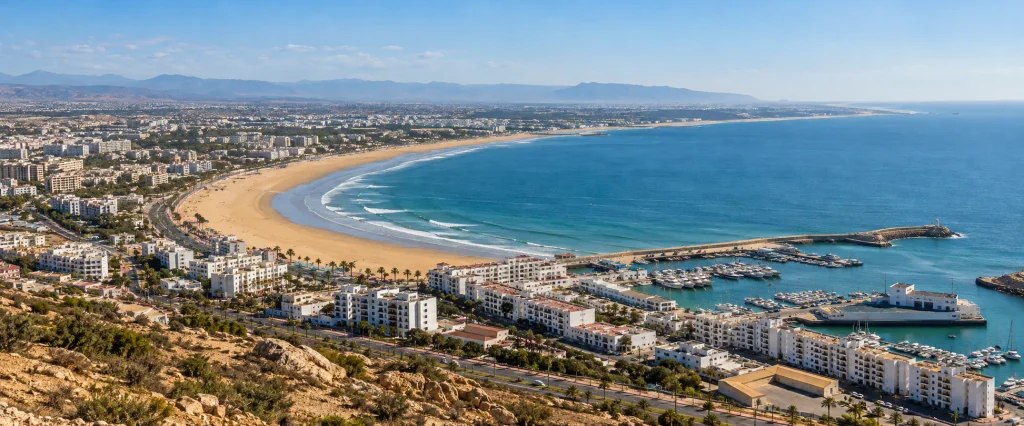
Agadir offers a coastal base with access to several distinct areas around it.
Taghazout, farther along the coast, can suit a stay organized around surf-related activities and time by the sea. Check the precise accommodation location and the activity provider’s meeting point.
Taroudant is inland in the Souss Valley. It can add a walled-city visit to a southern journey, but it is not a beach alternative.
Imouzzer near Agadir, in the western High Atlas foothills, is another inland choice. Identify the place fully when booking; similar town names can refer to different parts of Morocco.
Southward, Tiznit, Mirleft, and Sidi Ifni can form part of a more extended journey. Tiznit’s urban and craft focus differs from a coastal stay in Mirleft or Sidi Ifni.
Choose the base according to the days you want. Staying in one place for repeated surf sessions is different from changing accommodation along a coastal road trip.
The Anti Atlas Tafraoute and the Inland South

Tafraoute and the Anti-Atlas bring a granite-mountain and valley landscape into a southern itinerary.
This is a different mountain setting from the High Atlas near Imlil and a different experience from the dunes at Merzouga. A dry landscape should not make those places interchangeable in the plan.
Walking, village visits, scenery, and time around Tafraoute may justify an overnight or longer stay. Examine the route from your previous base rather than assuming it is a short detour from Agadir.
Visit Morocco Together’s Tafraoute and almond-grove outing provides one service to discuss when shaping that section. Confirm the starting point and program, and check seasonal conditions if flowering is the reason for your visit.
Guelmim and the surrounding southern routes can be considered farther on, with a separate assessment of distances, overnight stops, and the reason for continuing.
Laayoune and Dakhla Need Their Own Journey Planning
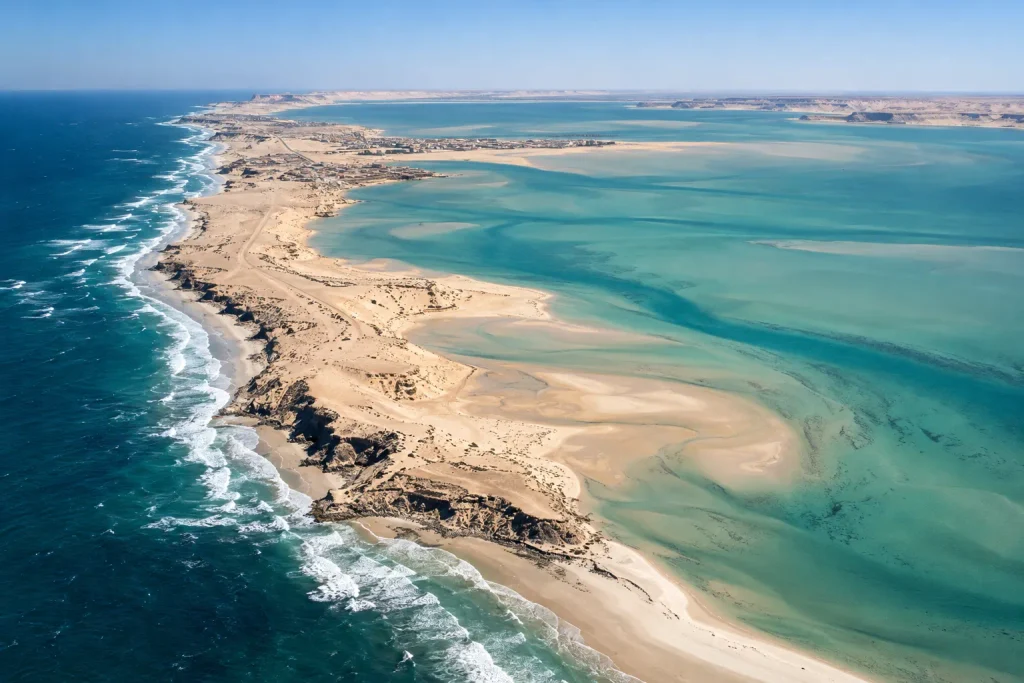
Laayoune and Dakhla appear in many extended southern travel programs. They should not be treated as convenient additions to a short Agadir or Marrakech stay.
Dakhla’s lagoon and peninsula support a different kind of holiday from a dunes-and-kasbah road circuit. Laayoune is another city and travel base, not an alternative name for the Dakhla area.
Both are in Western Sahara. The United Nations lists Western Sahara as a Non-Self-Governing Territory, and the territory’s final status remains unresolved.
For the journey itself, check the actual flights or road stages, accommodation location, activity arrangements, and official travel advice relevant to your destination. Keep this section distinct from a standard Merzouga or High Atlas itinerary.
Which Travel Areas Work Together
Start with a primary area and one contrasting experience. Then decide whether the connection and available nights support another region.
A northern journey can connect Tangier, Tetouan, Chefchaouen, and Fes, with the actual overnight stops chosen to suit the time available.
A Marrakech-based holiday can pair city time with one mountain approach or a stay in Essaouira. Adding both may work, but each needs its own nights or excursion day.
A southern road journey can connect Marrakech, the kasbah-and-valley area, and one desert gateway. Continuing to Fes changes the route and final transport requirements.
An Agadir-focused trip can combine coast time with Taroudant, Tiznit, or Tafraoute according to the transport and stays you arrange.
These are route ideas, not promises that the places are close together. The sequence of a multi-city Morocco route should be tested against actual connections and usable sightseeing time.
Choose the Area by the Experience You Want
For medinas and historical visits, compare the specific cities rather than trying to collect every imperial-city name.
For the sea, decide between an urban waterfront, a port town, a lagoon, a surf-focused stay, and accommodation arranged around beach time.
For mountains, choose the range, base, and activity. A day visit and a multi-day trek are different commitments.
For the desert, identify the gateway and overnight location. A stone-desert outing near Marrakech, a palm-valley stay, and an Erg Chebbi camp offer different landscapes.
For a longer trip, spend additional time where your interests are strongest before adding distant areas simply to make the map look complete.
Questions About Morocco Regions and Travel Areas
How Many Regions Does Morocco Have?
Morocco’s administrative framework uses twelve regions. Travel descriptions such as “the Atlantic coast” or “the Atlas Mountains” group destinations differently and can cross those administrative boundaries.
Is Marrakech in Southern Morocco?
Marrakech is often grouped with southern travel circuits because it connects with High Atlas and desert routes. It is an inland city north of the High Atlas, not a Sahara dune destination.
Are the Imperial Cities in One Region?
No. Fes, Marrakech, Meknes, and Rabat are a historical group spread across different areas. Salé and Casablanca can be worthwhile additions without belonging to that four-city category.
Are the Rif and Atlas the Same Mountain Area?
No. The Rif is in the north, while the Atlas system includes the Middle Atlas, High Atlas, and Anti-Atlas. Choose the specific base and activity when planning mountain travel.
Are Merzouga and Zagora Interchangeable Desert Stops?
No. They serve different approaches and routes. Check the exact dunes, camp, settlement, or valley included in a booking before comparing them.
Can I Visit Several Travel Areas in One Week?
You can combine selected places if the nights and connections work. A focused regional trip may leave more time for visits than a route crossing several distant landscapes. Start with your priorities and remove additions that use too much of the available time.
Should I Follow Administrative Boundaries When Booking a Tour?
Use them to identify locations, but choose the tour by its actual route, starting point, overnight stops, and activities. Sharing an administrative region does not establish a short journey.
Ready to Experience Morocco?
Turn this inspiration into your next adventure. Our travel experts are ready to help.