Off-the-beaten-path experiences in Morocco work best when you choose a specific activity that fits your route: a town walk around Sefrou, birdwatching at Merja Zerga, an oasis visit near Agdz or time in the landscapes around Tafraoute. You do not need to reach the most isolated place on the map. Allow enough time to participate, confirm access and leave room for the journey back.
For some travellers, the goal is landscape photography. For others, it is understanding a craft, spending longer in a smaller town or walking without a tightly packed sightseeing schedule. Those interests require different places and arrangements.
The broader choice of things to do in Morocco includes both famous sights and less familiar experiences. A useful itinerary can contain both. The difference comes from what you do, how long you stay and whether the visit makes sense for the people and places involved.
Choosing Off-the-Beaten-Path Experiences in Morocco
Start by deciding what you want more of: time outdoors, architectural detail, a conversation with a maker, wildlife observation or an unhurried town visit. Then choose a place where that activity is possible.
A quiet street is not automatically open to sightseeing. A village is not an attraction simply because visitors rarely stop there. A workshop visit becomes more useful when you understand the work and agree on the terms, rather than expecting somebody to interrupt their day for photographs.
Before adding an experience, answer four questions:
- What will I actually do? Identify the walk, visit, lesson or observation rather than booking a vague promise of local life.
- Does it fit my route? Include the approach, the activity and the return or onward journey.
- Who can confirm access? Contact the host, guide, site operator or accommodation responsible for the arrangement.
- What happens if plans change? Establish an alternative for unsuitable weather, a closed site or a host who is unavailable.
Visitor numbers also vary. A place that appears quiet in a weekday photograph may be busy during a domestic holiday or weekend. Choose it because the experience interests you, rather than expecting to have it to yourself.
Explore a Familiar Medina Through One Particular Interest
You can change the character of a Marrakech or Fes visit without changing cities. Instead of covering every major landmark, organise a walk around one subject: building materials, bread ovens, woodworking, textiles or the way commercial streets connect.
Ask a guide to explain what you are seeing and keep the route focused. A visit to a working area should allow people to continue their jobs. Confirm whether workshop stops involve observation, a demonstration, shopping or an actual lesson; those are different experiences.
For photography, choose a small project. You might study doorways, changing light on plaster, the arrangement of shopfronts or tools used in a particular trade. This gives you a reason to slow down without treating residents as subjects who owe you a portrait.
Stay on appropriate public routes and ask before entering a courtyard or passage that appears residential. Quiet does not necessarily mean public. If the route becomes confusing, return to a recognised landmark or contact your accommodation rather than following every suggested shortcut.
This approach suits travellers with limited time, an interest in detail or a wish to explore beyond a standard sequence of sights. It does not require describing well-known places such as Bahia Palace or Jardin Majorelle as secret discoveries.
Spend a Day Around Sefrou and Consider Bhalil Separately
Sefrou offers a town-based outing from Fes, with streets, market areas and surrounding landscapes to explore at a different pace. Give the visit a purpose: food shopping, architectural observation or understanding how a smaller town serves its surrounding area.
Market activity depends on the day. If a particular market is the reason for travelling, confirm when and where it takes place. Likewise, a waterfall stop depends on water conditions and access; do not make flowing water a guaranteed part of the day.
Visit Morocco Together’s Sefrou day trip from Fes provides a town-focused option with central Fes pickup and a driver-guide. Confirm the actual stops and pickup point. Food, drinks and any entrance fees are additional, and the waterfall visit depends on conditions.
What to Know Before Visiting Bhalil
Nearby Bhalil is known for cave dwellings and hillside streets. If you want to visit a dwelling, arrange access with a host who agrees to receive visitors. An inhabited home should not be treated as an open museum.
Ask what the visit includes, whether there is a fee and whether interior photography is welcome. Accept a refusal without trying to photograph through a doorway. Do not assume that Bhalil is included in a Sefrou booking unless it is explicitly confirmed.
This combination suits travellers staying in Fes who want a change of setting without adding another hotel. Leave time for each place rather than turning both into brief stops between long drives.
Look Closely at Architecture and Craft in Tetouan
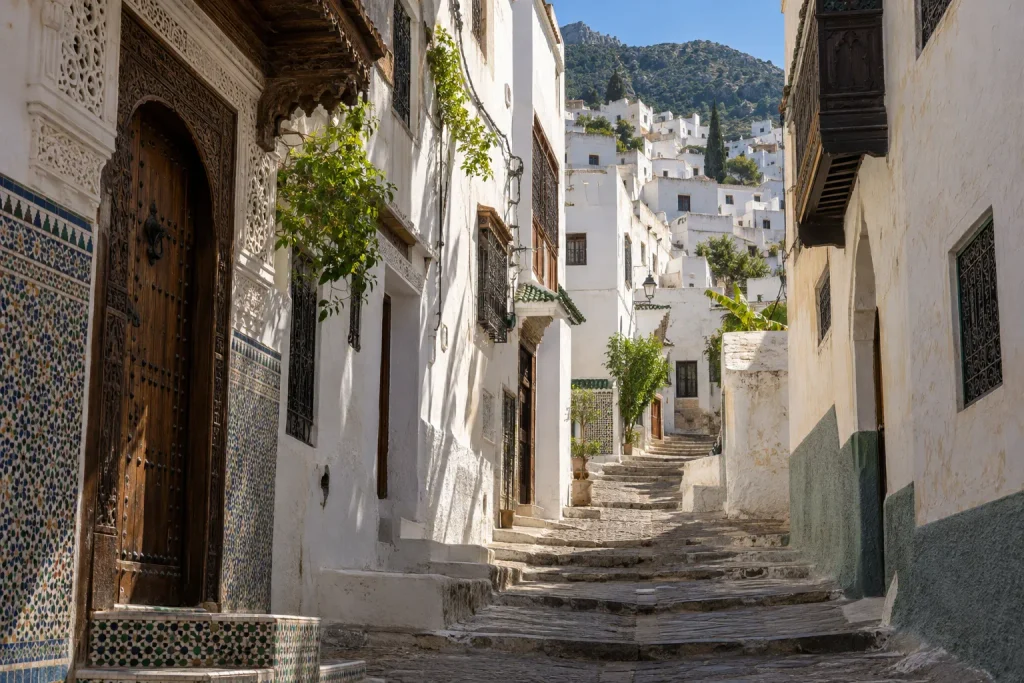
Tetouan belongs on a northern itinerary when you are interested in the relationship between streets, buildings and craft traditions. Its medina has recognised heritage value; being less familiar to a particular visitor does not make it undiscovered.
The UNESCO description of Tetouan’s medina explains its connections with Andalusia and the influence visible in its architecture and urban form. That context gives you something more specific to observe than simply looking for attractive lanes.
Build a walk around gates, commercial streets and permitted workshop visits. Ask how different parts of the medina function, where public routes end and which buildings can actually be entered.
If a maker welcomes visitors, ask about materials, stages of production and the time involved. A short conversation can explain more than a rapid series of photographs. Confirm whether any demonstration or lesson needs payment or advance booking.
Tetouan fits more naturally into a journey through northern Morocco than a short stay centred on Marrakech. Give it time within that region instead of adding a long detour solely to include another name.
Watch Birds at Merja Zerga Near Moulay Bousselham
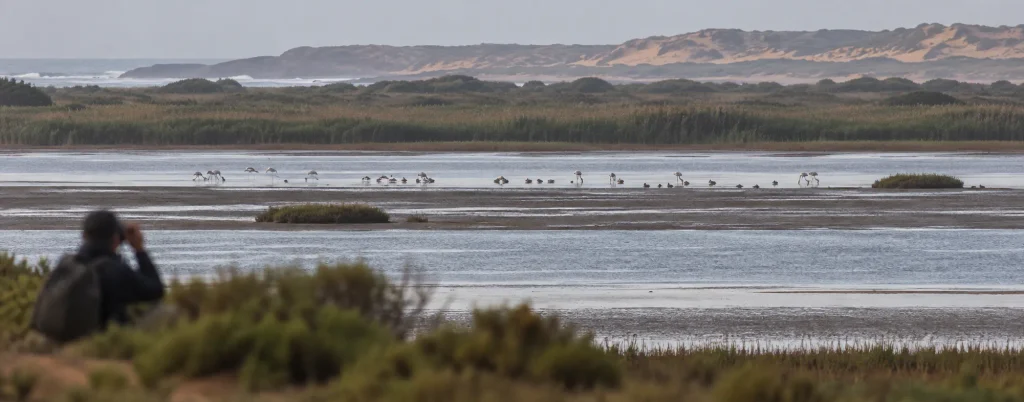
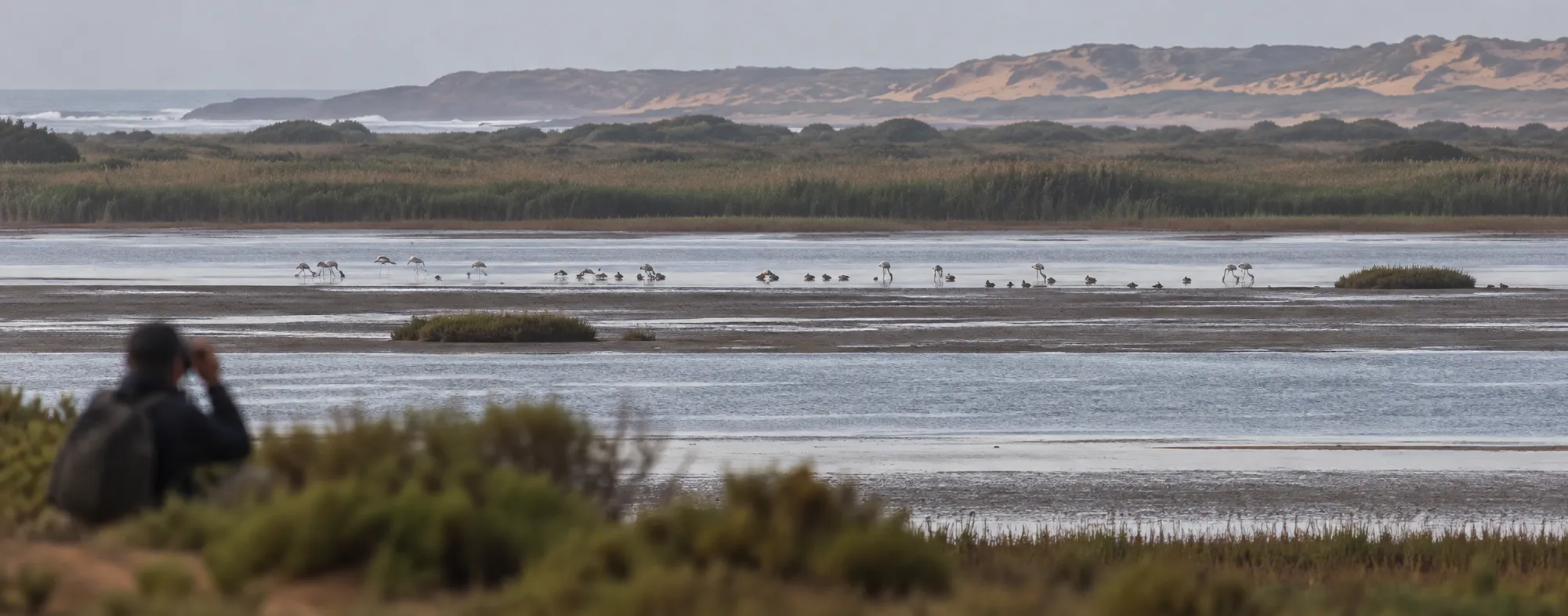
Merja Zerga offers an experience organised around observation rather than sightseeing from one monument to the next. The coastal lagoon near Moulay Bousselham is an option to investigate when your route follows the northern Atlantic coast.
The Ramsar Sites Information Service entry for Merja Zerga describes the lagoon, its connection with the Atlantic and its importance as a wetland habitat. It is also a working landscape, supporting activities such as fishing.
Arrange the outing around your interest in birds and the conditions on the day. Ask a knowledgeable local guide about seasonal sightings, tide-dependent access and appropriate observation points. No particular bird should be promised as part of a booking.
If considering a boat trip, confirm the duration, weather cancellation policy, boarding arrangements and suitable lifejackets for everyone. Ask whether the outing is designed for wildlife watching or a general lagoon excursion.
Bring binoculars if you have them. For photography, allow time to wait at a respectful distance rather than asking a boat operator to approach resting birds for a closer image.
This experience suits patient travellers who enjoy watching a landscape change. It is less suitable as a rushed stop inserted between an already long drive and an inflexible arrival deadline.
Stay Longer in Ait Bouguemez for Valley Walks
Ait Bouguemez, in the Central High Atlas, offers a reason to give the mountains their own part of the trip. The valley’s villages, fields and surrounding slopes reward a slower approach than arriving for a photograph and immediately returning to a city.
Choose the walking you want before choosing the accommodation. A short valley outing, a route with sustained climbing and a multi-day mountain trek require different preparation.
Ask a local guide to describe the distance, ascent, surface and return options. Check whether you will share paths with agricultural activity and whether a route crosses land where permission is required.
For a guesthouse stay, confirm heating, bedding, meals, hot water and the practical journey from the road. If you depend on internet or have dietary requirements, ask about those before committing to several nights.
For photographs, consider the wider landscape: the relationship between settlements, cultivated land and surrounding slopes. Ask before photographing people or entering working areas. Do not remove fossils or disturb geological features to create an image.
Choose this valley when you can allocate the travel and walking time it deserves. A short city break usually benefits from a nearer outing; a mountain-focused holiday can justify a longer stay.
Walk Through Oasis Country Around Agdz and the Draa Valley
Agdz and the Draa Valley suit travellers interested in oasis landscapes, earthen architecture and the relationship between settlements and cultivated land. The experience becomes more informative when you get out of the vehicle for an agreed walk.
Arrange the route locally rather than assuming every track through a palm grove is a public walking trail. Gardens, irrigation channels and buildings may belong to residents or be actively used.
If visiting a kasbah or another historic building, confirm which parts admit visitors and whether an interior guide is available. An exterior photograph, a restored property visit and entry into an unstable structure are very different activities.
For photography, look beyond the broad valley view. Building materials, shade, paths and the edges of cultivated plots can tell a more detailed story, provided access and photographs are welcome.
For travellers continuing farther south, Visit Morocco Together’s two-day Draa Valley and Zagora journey from Ouarzazate offers a route with one overnight stay. Confirm the accommodation, exact stops and walking opportunities before booking. This starts in Ouarzazate; reaching that city is a separate part of your itinerary.
The Draa corridor and the route towards Merzouga serve different travel goals. Choose the valley for the experience itself rather than expecting every southern stop to reproduce the Erg Chebbi dunes.
Give Tafraoute and Ait Mansour Their Own Time
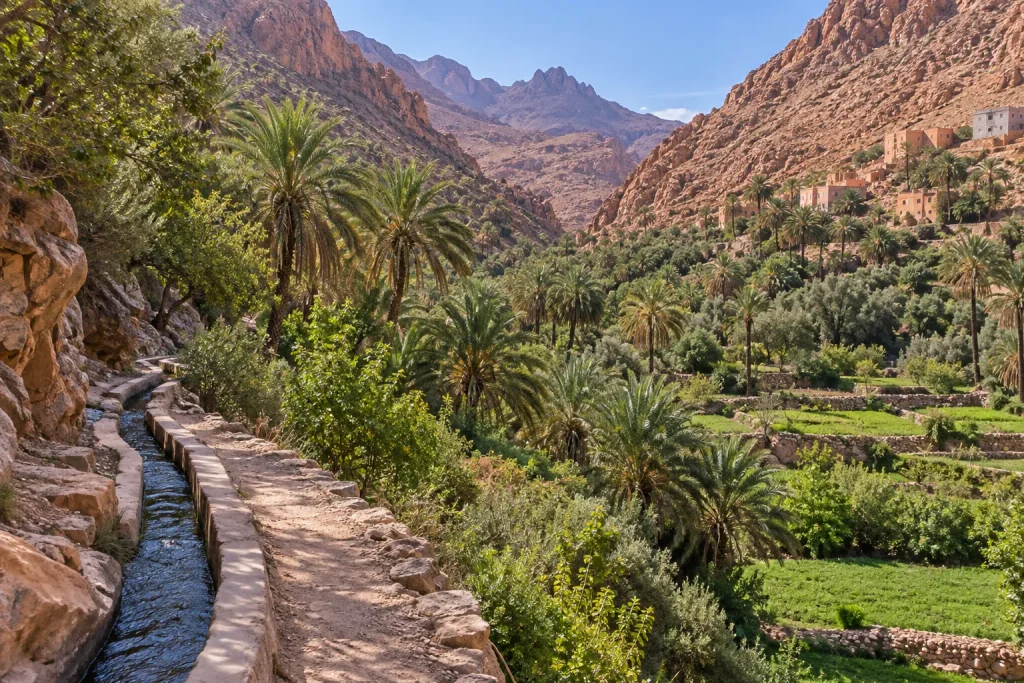
Tafraoute provides a base for exploring Anti-Atlas landscapes, including rock formations and the area around Ait Mansour. Choose between a day built around viewpoints and short walks or a more demanding walking route.
Those options should not be described interchangeably. A vehicle-supported day can cover several areas, while a continuous hike requires a clear start, finish and assessment of terrain.
Visit Morocco Together’s Tafraoute viewpoints route around Ait Mansour and the painted rocks area combines photo stops and short walks. It begins in Tafraoute. Confirm transport between the stops, pickup arrangements and the amount of walking; do not assume it includes a transfer from Agadir.
Allow time to understand the places between viewpoints. Ask about the buildings, cultivated areas and routes you can use. If a village visit or meal with a host is proposed, confirm that it has been arranged rather than expecting spontaneous access to a home.
This area fits a southern journey through the Anti-Atlas more naturally than a route focused on northern cities. The wider Deep South Morocco travel area helps explain how the towns and landscapes relate before you decide where to stop.
Choose a Coastal Walk for Its Landscape and Access
A quieter coastal experience does not need a claim that the beach is unknown. Around a base such as Mirleft, the useful task is identifying a suitable walk, checking how you reach it and agreeing how you return.
Ask about steps, exposed sections, tides and whether the route remains usable throughout the outing. A beach visible from a viewpoint may not have a straightforward public approach.
Separate walking from swimming. An attractive bay, a quiet beach or a comment describing calm water does not establish safe conditions on your day. Follow local instructions and avoid making an unfamiliar sea entry the central purpose of an unsupervised outing.
For photography, choose a position that does not require standing below unstable cliffs or on exposed edges. Arrange transport before waiting for evening light, and leave time to reach the pickup point while you can still see the route clearly.
A short walk followed by a meal can be a complete experience. You do not need to combine it with a long drive and several other beaches to make the day worthwhile.
Which Suggestions Need More Caution?
Popular Places Described as Secret
Akchour, Ait Ben Haddou, the main Marrakech gardens and well-known desert camps can all be worthwhile. Calling them hidden does not help you understand what the visit involves.
Choose them if the activity interests you. If your goal is a quieter experience, ask about the route, timing and alternatives rather than expecting a label to predict visitor numbers.
Keep geography clear too. Akchour and the area around Chefchaouen are in the Rif, not the Atlas. A waterfall walk and the route towards God’s Bridge are different outings that need their own access and walking checks.
Caves and Abandoned Buildings
An old comment recommending a cave or abandoned hospital does not establish legal access or safe conditions. Check with the responsible operator or authority before making it part of your route.
A visible entrance is not permission to enter. Do not cross barriers, enter unstable buildings or attempt an unfamiliar cave because somebody previously posted photographs from inside.
If access cannot be confirmed, choose a maintained heritage site, an authorised exterior visit or another activity. The absence of an alternative plan is not a reason to improvise entry.
Ceremonies and Private Gatherings
A religious gathering, family celebration or community event should not be treated as a performance available on demand. Attend only when visitors are welcome and you understand the conditions.
Ask about dress, seating, photography and when participation is appropriate. A respectful invitation can be meaningful without becoming a promised feature of a tour.
Can You Do This Without Speaking Darija?
Yes, but plan communication instead of assuming English will be available everywhere. Confirm the language of any guiding, accommodation support or activity instruction that you need.
Learn a greeting, a thank-you and a polite way to ask permission. Keep your accommodation address, meeting point and essential instructions available offline. A translation app can help with simple exchanges, but it should not be your only way to understand a complicated route or activity briefing.
For a workshop or hosted visit, agree on the activity, duration and payment before it begins. If the arrangement is unclear, pause and clarify it. You do not need to accept an additional stop simply because you are unsure how to refuse.
Choose a guide for the help you actually need: navigation, interpretation, access arrangements or technical outdoor skills. One person’s ability to drive a route does not establish expertise in every activity along it.
Build a Ten-Day Route Without Collecting Detours
If you arrive in Marrakech and depart from Fes, begin with those fixed points. You do not need to fit the Anti-Atlas, the Rif, the Atlantic coast and the Draa Valley into the same ten days.
One planning example is three nights in Marrakech, two in Rabat and four in Fes, with departure on day ten. That is nine nights in total. Compare the actual transport services and arrival times before adopting the sequence.
In Marrakech, use one outing for a focused medina interest and keep the other time flexible. In Rabat, choose visits that fit the journey rather than adding a distant excursion. In Fes, leave room for a town-based day around Sefrou or an arranged Bhalil visit.
This is an example of combining established bases with more focused experiences. It does not promise remote landscapes or empty streets. Its advantage is that you spend less of the holiday managing repeated hotel changes.
If mountains are your main interest, allocate a distinct walking section and reduce time elsewhere. If the Draa Valley or Tafraoute is the priority, build a southern route around it instead of treating it as a minor diversion on the way to Fes.
The decisions behind building a Morocco itinerary become more useful when you know which experience deserves the extra travel day.
Transport and Booking Checks That Matter
For each outing, confirm the pickup address, end point, travel estimate, walking and return arrangements. Ask whether a quoted duration means the whole excursion or only time at the destination.
If arranging a taxi or private driver, clarify whether waiting time, return travel, stops and guiding are included. A drop-off booking is different from a vehicle remaining available throughout the visit.
For a rental car, check the rental agreement, insurance and permitted road use before leaving paved routes. A rough track on a map does not establish that the car, driver or insurance is suitable for it.
Ask locally about the route you intend to use. Conditions, closures and access can change, and an older recommendation should not decide whether a road, trail or building is usable.
Carry what the outing requires, including water, suitable footwear, layers and a charged phone. Save your return arrangements offline. If the experience needs specialised equipment or skills, confirm them with a qualified provider before booking.
Photograph Places Without Turning Them into Props
Choose subjects you can photograph without interrupting somebody’s work or entering private space. Architectural detail, materials, landscapes and public street scenes can provide a coherent photographic story.
For identifiable portraits or photographs inside a home or workshop, ask permission and respect the answer. Do not photograph children without appropriate permission or treat a purchase as automatic consent to a portrait.
If a host or maker agrees to a visit, establish how they are paid. Buying something, paying for a lesson and paying for a demonstration are different arrangements; clarity avoids an uncomfortable expectation at the end.
For landscapes, keep the return journey as carefully planned as the light you want. Do not rely on reaching an unfamiliar path or vehicle after dark simply because the sunset is worth waiting for.
Planning around photography locations, light and permissions in Morocco helps connect the image you want with a visit you can actually arrange.
Questions About Off-the-Beaten-Path Experiences in Morocco
Do I Need to Leave Marrakech or Fes?
No. A focused walk, an arranged workshop visit or a different subject for photography can change your experience within a familiar city. Travel farther when the activity or landscape justifies the journey.
Which Experiences Fit a Short Trip?
Choose something near an existing base: a focused medina visit, Sefrou from Fes or a locally arranged walk. Reserve remote valleys and multi-day southern routes for an itinerary with enough time for the approach and return.
Can I Explore Smaller Towns Independently?
Some public streets and straightforward visits can suit independent travel. Confirm transport, opening arrangements and any access restrictions. A guide is useful when the experience requires interpretation, permission, route knowledge or specialised outdoor skills.
Will These Places Be Free of Other Visitors?
No destination can promise that. Weekends, holidays, local events and organised trips affect the atmosphere. Choose the experience for its subject and setting rather than a guarantee of solitude.
Are Less-Visited Places Cheaper?
Not necessarily. Transport, guiding, limited accommodation and additional nights can increase the total. Compare the full outing or route, including meals, admissions, equipment and the return journey.
Should I Follow Old Recommendations for Caves or Abandoned Places?
Only after confirming current legal access and suitable conditions with the responsible operator or authority. Do not interpret an old photograph, an open doorway or an anonymous comment as permission to enter.
Ready to Experience Morocco?
Turn this inspiration into your next adventure. Our travel experts are ready to help.