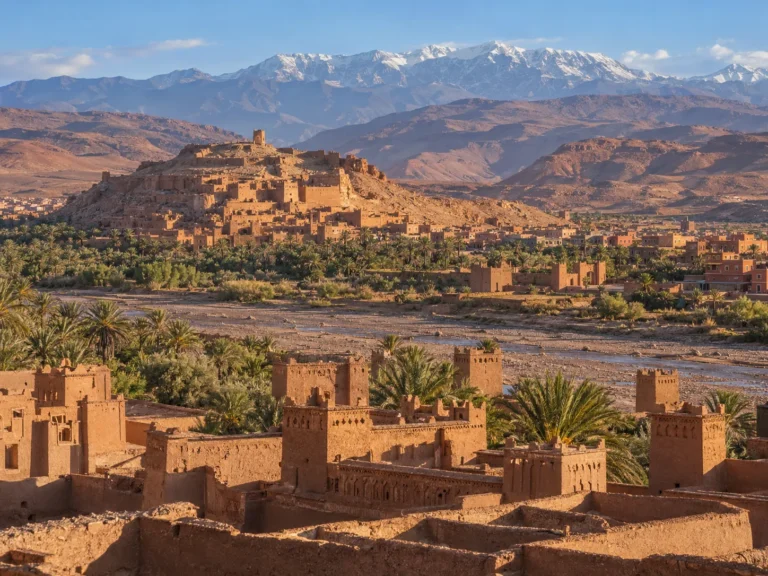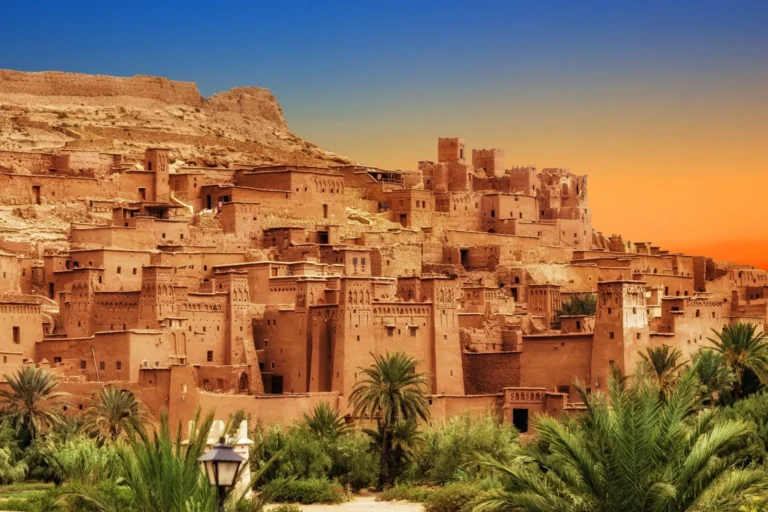
Food safety in Morocco does not require avoiding street food, salads or local restaurants altogether. Most travellers can enjoy Moroccan cuisine normally by following a few practical habits: choose food that is freshly cooked and served hot, be cautious with food that has been sitting at room temperature, keep your hands clean and use drinking water you are confident is safe.
The same principles apply whether you are eating a tagine in Marrakech, grilled fish in Essaouira, breakfast at a riad or roadside food during a longer journey. The level of risk depends more on food handling, temperature, water and storage than on whether a meal is traditional, inexpensive or served in a tourist restaurant.
No precautions can remove every chance of stomach illness. The goal is to reduce avoidable risks without turning meals into a source of anxiety.
Food Safety in Morocco: The Simple Rules That Matter Most
Travellers do not need a complicated list of forbidden foods. A few habits cover most situations.
- Prefer food cooked thoroughly and served hot. Freshly prepared tagines, soups, grilled dishes and fried foods are generally easier choices than food that has been sitting lukewarm.
- Keep cold foods cold. Be cautious with dairy products, prepared salads, desserts and other foods that require refrigeration if they appear to have been left warm.
- Clean your hands before eating. Soap and water are preferable. An alcohol-based hand sanitiser can be useful when handwashing facilities are unavailable.
- Be selective with raw foods. Fruit you peel yourself is easier to assess than pre-cut fruit, while salads depend on how ingredients were washed and stored.
- Use water you trust. When you are uncertain about the local supply, sealed bottled water or properly treated water is the more conservative option.
These precautions are useful in restaurants, markets, hotels and private accommodation alike.
Can You Drink the Tap Water in Morocco?
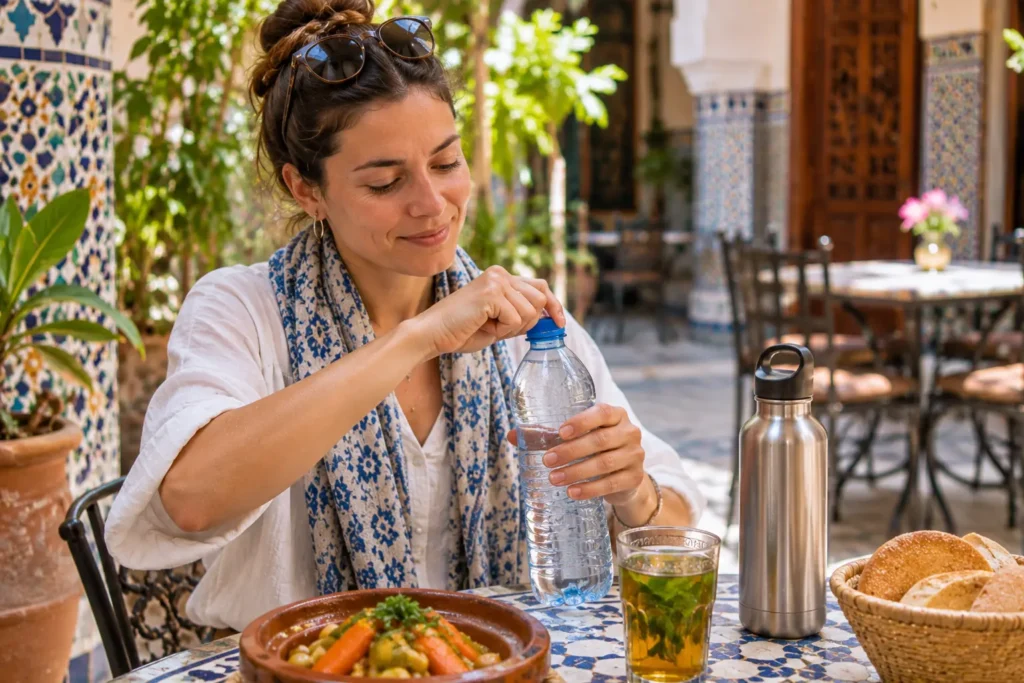
Water quality and treatment conditions vary by location, and individual travellers can have different levels of tolerance. If you are not confident about the local water supply, the simplest approach is to drink sealed bottled water or water that has been properly filtered, disinfected or boiled.
Check that bottled water has an intact seal when you buy it. Carrying a refillable bottle can still be useful, but only refill it from a source you know is suitable for drinking.
The same consideration applies to water used in drinks and food preparation. If you are particularly cautious, ask whether ice has been made from safe water.
What About Brushing Your Teeth?
Travellers who are uncertain about local tap water may prefer bottled or properly treated water for brushing their teeth as well. This is particularly reasonable for people who are more vulnerable to gastrointestinal illness.
Is Moroccan Mint Tea Safe to Drink?
Moroccan mint tea is normally prepared with very hot or boiling water. As with any drink, hygiene still matters, but hot tea is generally a straightforward option when travelling.
Coffee and other freshly prepared hot drinks can be approached in the same way.
How to Choose Street Food More Carefully
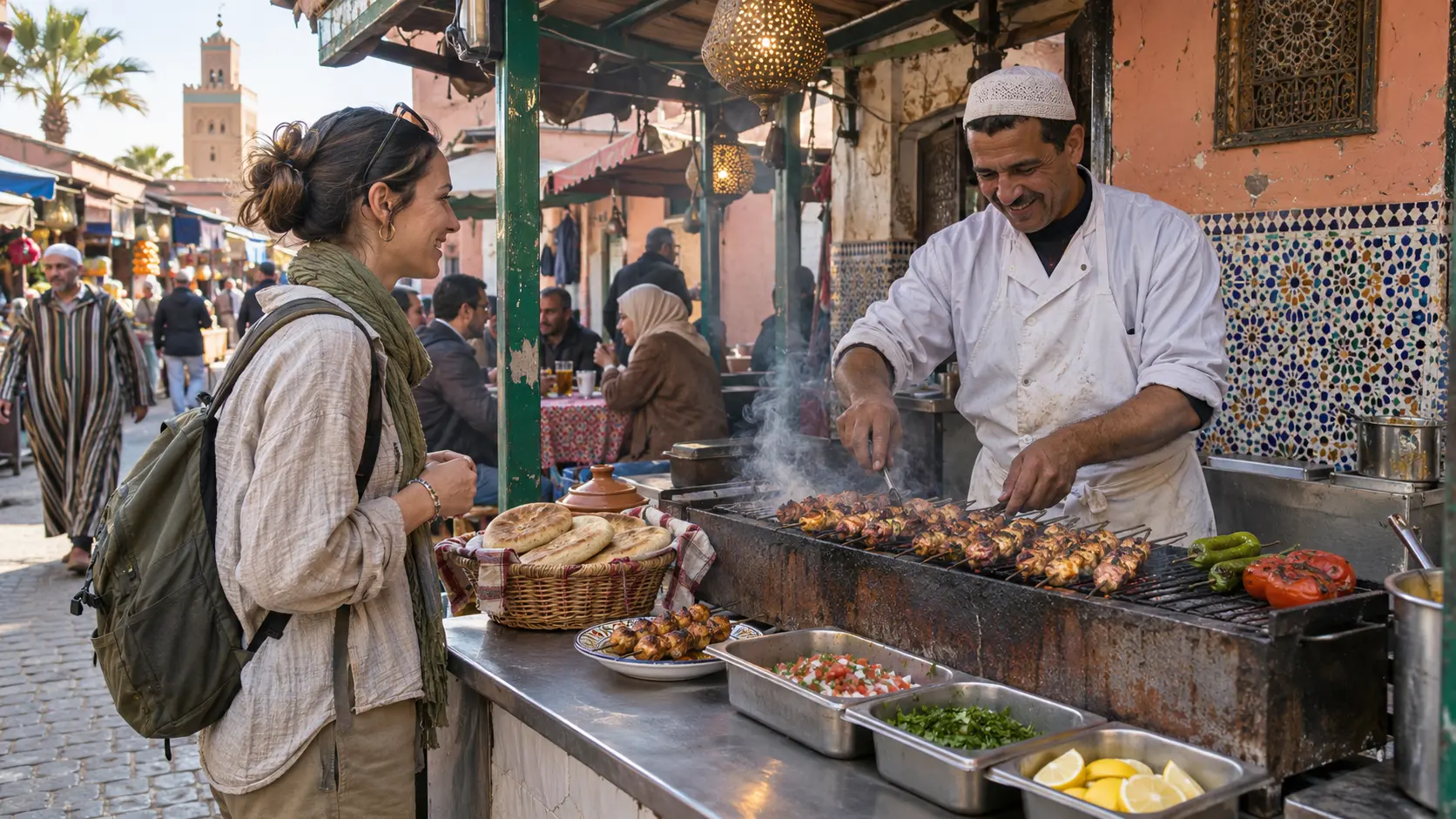
Street food is part of the experience in cities such as Marrakech, Fes, Tangier and Essaouira, and avoiding it entirely is unnecessary for most travellers.
Instead, pay attention to turnover and preparation.
- Choose vendors that are actively cooking rather than displaying large amounts of prepared food for long periods.
- Prefer dishes served hot directly from a grill, pan, fryer or pot.
- Look at the general cleanliness of utensils, work surfaces and serving areas.
- Be cautious with raw garnishes and sauces that appear to have been sitting unrefrigerated.
- Clean your hands before eating, especially after handling money or walking through markets.
A busy stall can be useful because ingredients may move quickly, but a queue is not a guarantee of hygiene. Watch how the food is actually stored and prepared.
Street Foods That Are Easy to Assess
Freshly grilled brochettes, hot harira, msemen cooked on a griddle, sfenj taken directly from the fryer and other foods prepared in front of you are easier to judge because you can see the cooking process.
The important detail is not the name of the dish. A freshly cooked meal served immediately is different from the same food left standing for an extended period.
Raw Salads, Fruit and Vegetables
Raw produce is not automatically unsafe, but it requires more confidence in washing and handling because cooking does not provide an additional safety step.
At established restaurants and accommodation, salads may be prepared using appropriate kitchen practices. At informal stalls where you cannot judge the washing water or storage conditions, choosing cooked vegetables can be the simpler option.
Whole fruit that you wash with safe water or peel yourself is also easier to manage. Bananas, oranges and similar fruit are practical travel snacks for this reason.
Be more cautious with pre-cut fruit that has been exposed for a long period, particularly in warm conditions.
Meat, Eggs and Seafood
Raw or undercooked animal products carry food-safety risks in any destination. In Morocco, as elsewhere, choose meat, poultry and eggs that have been cooked thoroughly unless you have a specific reason to trust another preparation.
With grilled meat, look for food that is cooked to order rather than partially cooked and left waiting before reheating.
Seafood
Morocco’s Atlantic and Mediterranean coasts offer excellent opportunities to eat fish and seafood, but freshness and temperature control still matter.
At fishing ports and seafood restaurants, ask what is available that day rather than assuming every item on a menu is equally fresh. Fish cooked thoroughly and served directly after preparation is easier to assess than seafood that has been sitting unrefrigerated.
Raw or lightly cooked shellfish deserves additional care because cooking may be limited or absent.
Dairy Products and Unpasteurised Foods
Packaged dairy products with clear storage conditions are easier for travellers to assess than milk, soft cheese or other dairy products when the source and pasteurisation status are uncertain.
If you are buying dairy from a small market or roadside seller, ask what the product is and how it has been stored. When in doubt, choosing a packaged alternative is a simple precaution.
This matters particularly for pregnant travellers, young children, older adults and people with weakened immune systems, who may face greater consequences from some foodborne infections.
Buffets and Hotel Breakfasts
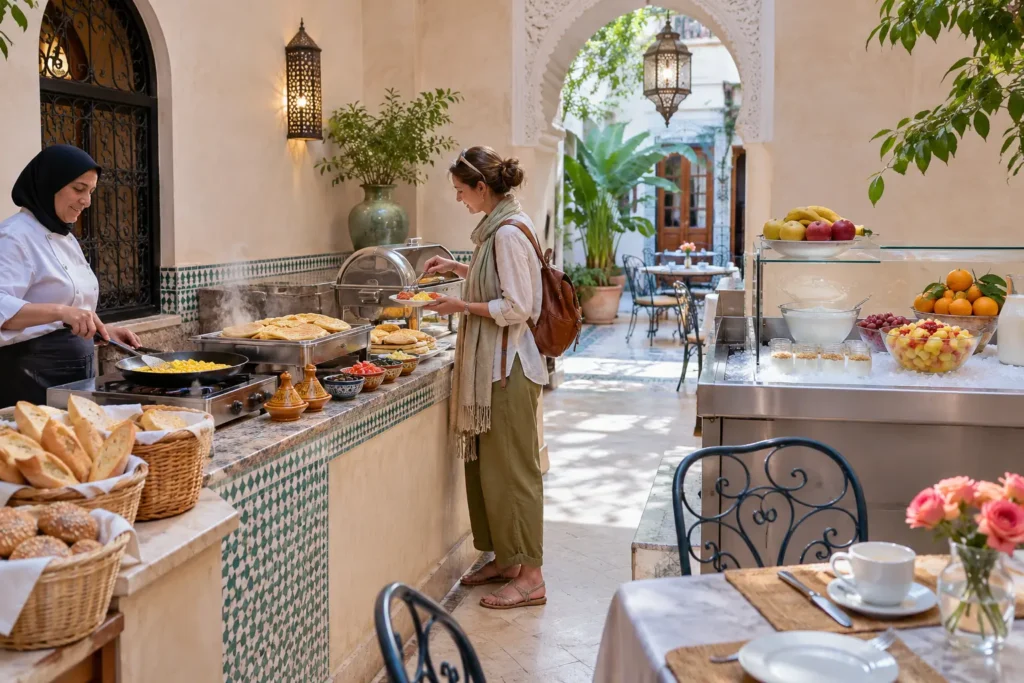
A hotel or resort is not automatically safer than a market stall. Temperature and handling still matter.
At a buffet, hot dishes should be properly hot and foods intended to be chilled should remain cold. Be cautious with dishes that appear to have been standing at room temperature for a long time.
Breakfast items such as bread, freshly prepared eggs, hot msemen and individually packaged foods are generally easy to assess. Raw fruit, dairy dishes and cold items depend more on refrigeration and handling.
Fresh Juice, Ice and Cold Drinks
Fresh orange juice and other fruit drinks are widely available in Morocco. The fruit itself is only one part of the food-safety question.
Look at how glasses, equipment and ingredients are handled. If water or ice is added, you may also want to know that it comes from a suitable drinking-water source.
Factory-sealed drinks are a straightforward alternative when you cannot judge preparation conditions.
Food Allergies Require Extra Planning
Travellers with serious food allergies should be more cautious than travellers simply trying to avoid an upset stomach. Written allergen information is not consistently available, and kitchens may prepare several dishes using the same utensils and surfaces.
Explain allergies clearly before ordering and make sure the staff understands that the issue is an allergy rather than a preference.
Common Moroccan ingredients can include almonds and other nuts, sesame, wheat, eggs, dairy and seafood. Recipes also vary between restaurants and households, so recognizing the name of a dish does not guarantee that you know every ingredient.
If you have been prescribed emergency allergy medication, keep it accessible rather than leaving it in your hotel while eating out.
Food Safety on Road Trips and Desert Routes
Long travel days require slightly more planning because you may spend hours between cities or established restaurants.
Carry drinking water and a few shelf-stable snacks rather than depending on a specific roadside café being open. Bread, packaged snacks, nuts when suitable for your diet and fruit you can peel yourself are easy options.
Avoid carrying perishable food for long periods in a warm vehicle unless it is being kept properly chilled.
If you stop at a roadside restaurant, the same basic rules apply: look for freshly cooked food, reasonable turnover and dishes served at an appropriate temperature.
Hot Weather Makes Food Storage More Important
Temperature deserves additional attention during warmer periods and in hotter regions of Morocco. Food that requires refrigeration should not be left warm for extended periods.
This is particularly relevant for mayonnaise-based foods, dairy, meat, seafood, cooked rice and prepared dishes displayed outside or carried during a long journey.
You do not need to avoid local food during hot weather. Simply favor meals prepared and served promptly rather than food that appears to have spent much of the day waiting for a customer.
What to Do If You Develop Stomach Problems
Even careful travellers can develop diarrhoea or vomiting. Food and water precautions reduce risk but cannot eliminate it.
The immediate priority with diarrhoea or vomiting is usually maintaining hydration. Safe fluids and oral rehydration solution can help replace water and salts that have been lost.
If you are preparing a travel medical kit, discuss suitable medicines with a doctor, pharmacist or travel-health professional before departure, particularly if you have existing medical conditions or take regular medication.
Seek medical advice if symptoms are severe, if you see blood in your stool, develop significant fever or severe pain, cannot keep fluids down, show signs of dehydration, or fail to improve after a few days.
Young children, pregnant travellers, older adults and people with weakened immune systems may need medical advice sooner.
Common Food Safety Mistakes in Morocco
Avoiding Every Street Stall
A street setting does not automatically make food unsafe. Preparation, storage, cleanliness and turnover are more useful indicators.
Assuming an Expensive Restaurant Has No Risk
Food can be mishandled in any type of establishment. Pay attention to temperature and freshness regardless of the price of the meal.
Eating Lukewarm Food Because It Was Cooked Earlier
Cooking only helps if food is subsequently stored and served appropriately. Freshly cooked and hot is preferable to a dish that has spent a long time sitting warm.
Ignoring Hand Hygiene
Travellers often focus entirely on restaurants and forget that their own hands can transfer germs to food. Washing before meals is one of the simplest precautions you can take.
Becoming So Cautious That You Miss Moroccan Food
Food safety does not mean surviving on packaged snacks. Tagines, couscous, harira, grilled meats, breads, cooked vegetables and many other Moroccan dishes can be enjoyed while following sensible hygiene and temperature precautions.
FAQs
Is food generally safe to eat in Morocco?
Travellers can enjoy a wide range of Moroccan food, but foodborne illness is possible as it is in other destinations. Favor freshly cooked food, pay attention to storage temperatures, keep your hands clean and use drinking water you trust.
Should tourists drink tap water in Morocco?
Water conditions can vary by location. Travellers who are uncertain about the local supply can reduce uncertainty by choosing sealed bottled water or properly treated water for drinking.
Is Moroccan street food safe?
Street food can be part of a Morocco trip. Look for food cooked in front of you and served hot, reasonable turnover and clean food-handling practices. Be more cautious with raw foods or prepared dishes left at room temperature.
Can I eat salads in Morocco?
Yes, but raw salads depend on washing water and food handling. Established restaurants may follow appropriate preparation practices; when you cannot judge the conditions, cooked vegetables provide an easier alternative.
Is ice safe in drinks?
Ice is only as safe as the water used to make it and the way it has been handled. If you are uncertain about the source, ordering a drink without ice is the simpler option.
What should I do if I get diarrhoea in Morocco?
Focus on hydration and consider oral rehydration solution. Seek medical advice for severe symptoms, blood in the stool, significant fever or pain, repeated vomiting, dehydration, or symptoms that do not improve after a few days.
Eat Well Without Making Food Safety the Focus of Your Trip
The most useful food safety habits in Morocco are straightforward: eat freshly prepared food, be cautious with questionable storage temperatures, clean your hands before meals and choose water you are confident is suitable for drinking.
Those precautions still leave plenty of room for tagines, market snacks, pastries, seafood, mint tea and the many regional dishes that make eating part of the travel experience.
For more practical advice on food, culture and destinations, browse more Morocco travel guides from Visit Morocco Together.
Ready to Experience Morocco?
Turn this inspiration into your next adventure. Our travel experts are ready to help.