A Morocco cultural holiday gives you time to look beyond the country’s headline sights and understand how history, architecture, food, craft traditions and everyday life connect. Rather than moving quickly between famous monuments, a strong cultural trip combines historic medinas with markets, working workshops, traditional accommodation, regional cuisine, rural landscapes and conversations with guides, artisans or hosts who can explain what you are seeing.
Fes and Marrakech are natural cultural anchors, but they represent only part of the country. The Atlas Mountains introduce Amazigh communities, agricultural valleys and mountain architecture. Southern Morocco adds earthen kasbahs, oasis landscapes and historic trade routes. The Sahara can add another regional perspective when it is connected with towns, markets and local communities rather than treated only as a camel ride and a night in a tent.
The aim is not to search for one supposedly “authentic” version of Morocco. Culture changes between regions, cities, generations and communities. A better cultural holiday gives you enough time to notice those differences while approaching local life with curiosity and respect.
What Makes a Morocco Cultural Holiday Different?
Cultural travel in Morocco is not limited to museums and historical monuments. Much of the country’s heritage exists in places that continue to be used every day: medina streets, neighborhood bakeries, souks, workshops, riads, hammams, cafés, markets, family-run restaurants and religious buildings viewed from areas open to visitors.
Historic architecture matters, but so do the living traditions around it.
A useful cultural itinerary therefore combines formal sightseeing with slower experiences. A guided medina walk can help you understand an old city’s history and layout, while independent time lets you return to a market, sit in a square or explore a neighborhood without constantly moving toward the next attraction.
Cooking classes, food walks, artisan visits, calligraphy or pottery workshops and stays in traditional accommodation can add another layer when they provide genuine explanation or participation rather than functioning primarily as sales stops.
Moroccan Culture Is Regional
One of the most important ideas to understand before planning a cultural trip is that Morocco does not have one single cultural experience.
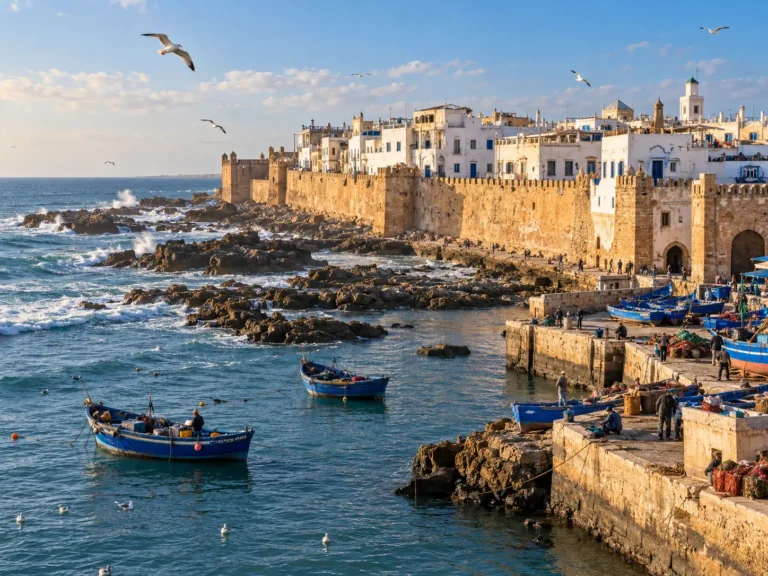
Fes feels different from Marrakech. Both are different from Chefchaouen, the High Atlas, pre-Saharan valleys and Atlantic cities.
Language, food, architectural materials, clothing, music, agricultural practices and everyday routines change across the country.
This is why a cultural holiday works best when the itinerary gives you enough time to compare regions rather than trying to declare one place the “real Morocco.”
Best Places for Culture and History in Morocco
Fes: Medina Life, Crafts and Historic Architecture
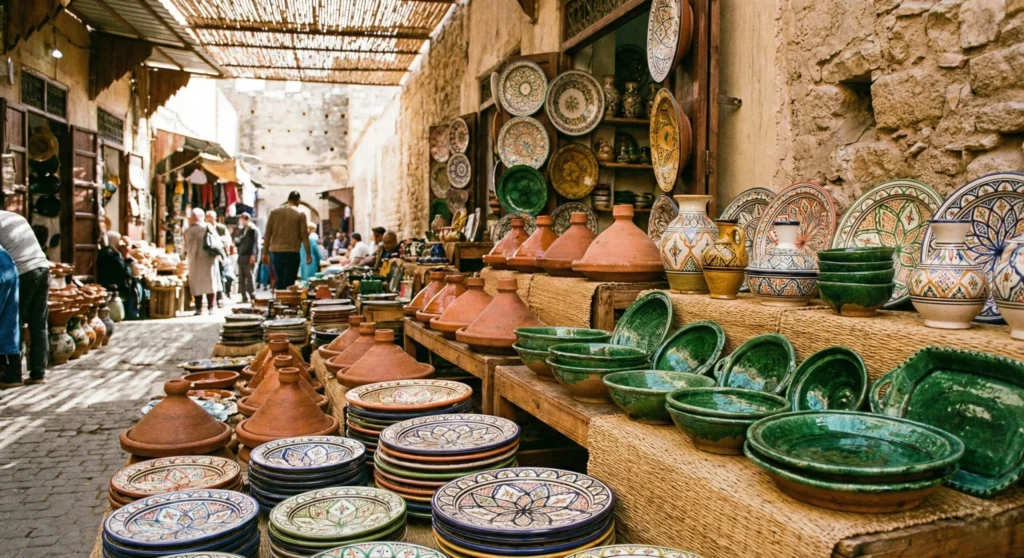
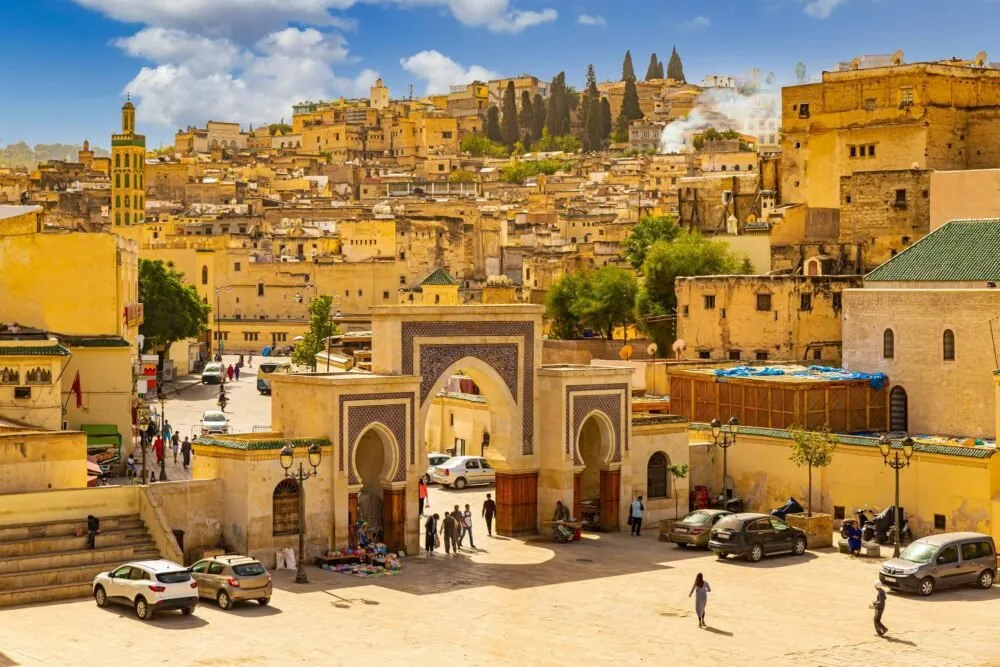
Fes is one of the strongest choices for travelers interested in history, traditional crafts and historic urban life.
Fes el-Bali contains a dense network of lanes, madrasas, fountains, workshops, markets, homes and religious buildings. The medina rewards slow exploration because many of its most interesting details are easy to pass without understanding what you are looking at.
Places and themes worth exploring include:
- Bou Inania Madrasa
- The Al-Qarawiyyin area
- Traditional fountains and architecture
- Chouara Tanneries
- Pottery
- Leatherwork
- Brass and metalwork
- Carved wood
- Zellige
- Food markets
- Traditional bakeries
A knowledgeable local guide is particularly useful in Fes. The objective should not simply be finding your way through the lanes. A good guide can explain how neighborhoods, religious institutions, markets and artisan trades relate to one another.
Approach workshops as working places rather than automatic shopping stops. Ask before entering restricted areas or photographing craftspeople closely.
Marrakech: Palaces, Souks and Public Life
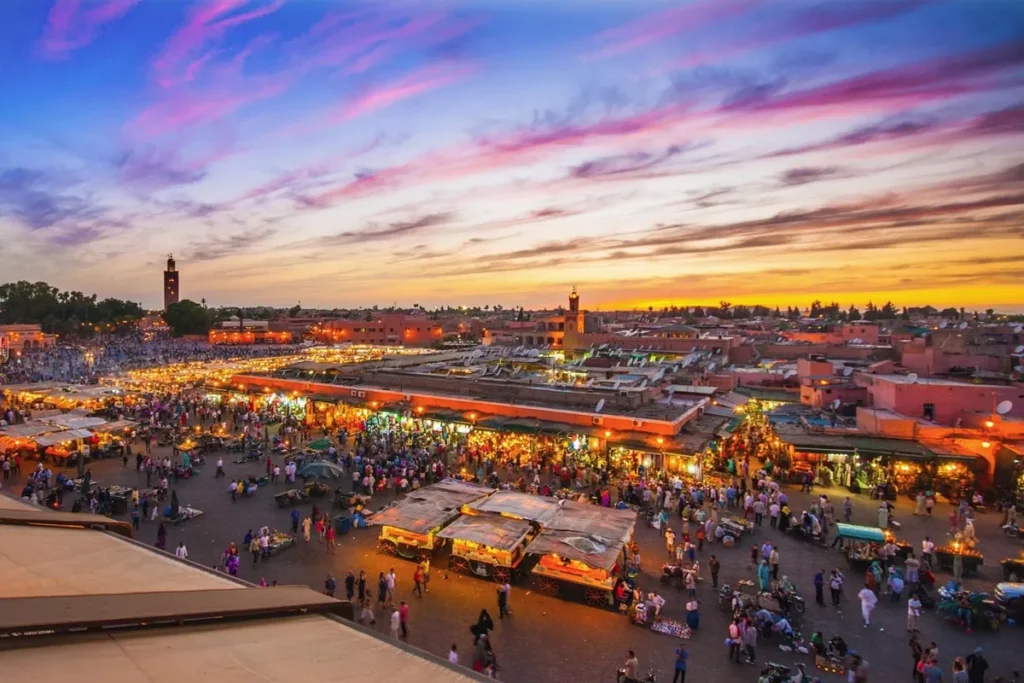
Marrakech offers a more energetic cultural experience.
Its medina brings together monumental architecture, busy souks, riads, gardens, street food and Jemaa el-Fna. The atmosphere changes considerably throughout the day, which makes it worth returning to some areas more than once.
Cultural and historical stops can include:
- Bahia Palace
- Saadian Tombs
- Ben Youssef Madrasa
- Koutoubia area
- Jemaa el-Fna
- Medina souks
- Traditional riads
- Food stalls and markets
Balance landmark visits with time in quieter streets. Trying to complete Marrakech as a checklist can make the medina feel overwhelming.
Two or three full days generally creates more room for architecture, food, markets and independent exploration than trying to see everything in a single rushed visit.
Chefchaouen: Northern Morocco and Rif Culture
Chefchaouen appears in some of the longer cultural routes and can add a northern perspective.
Its blue-painted medina receives most of the attention, but a cultural visit can also include local food, markets, weaving and handicrafts, Rif Mountain landscapes and the slower rhythm of a smaller city.
Chefchaouen is better included when your route already passes through northern Morocco or Fes. Adding it to a short Marrakech-and-Sahara trip creates unnecessary travel.
Ait Ben Haddou and Southern Architecture
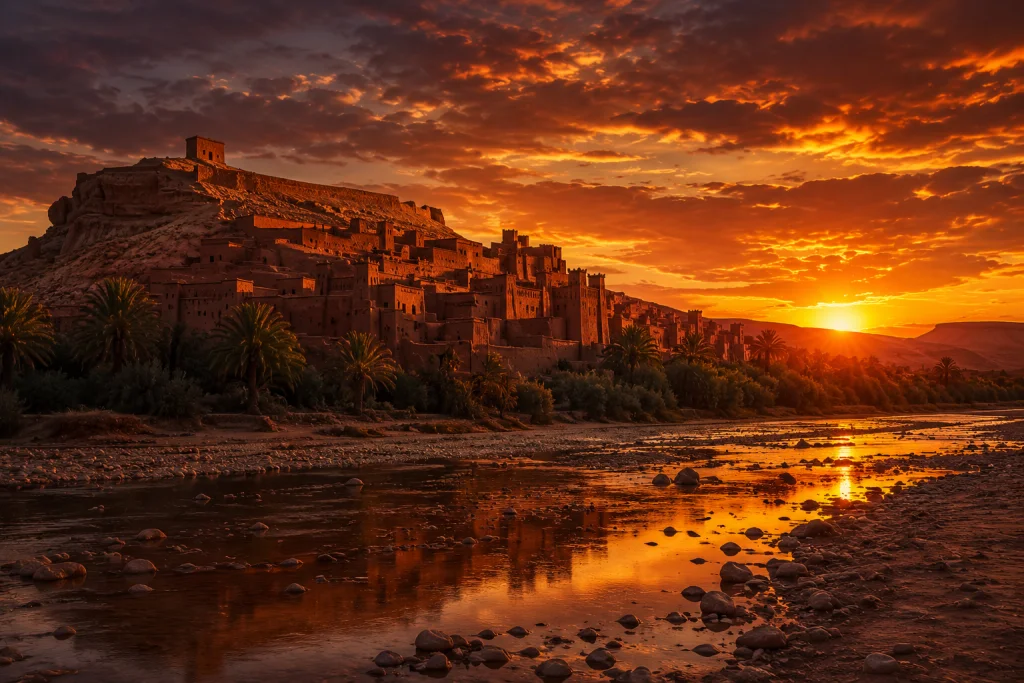
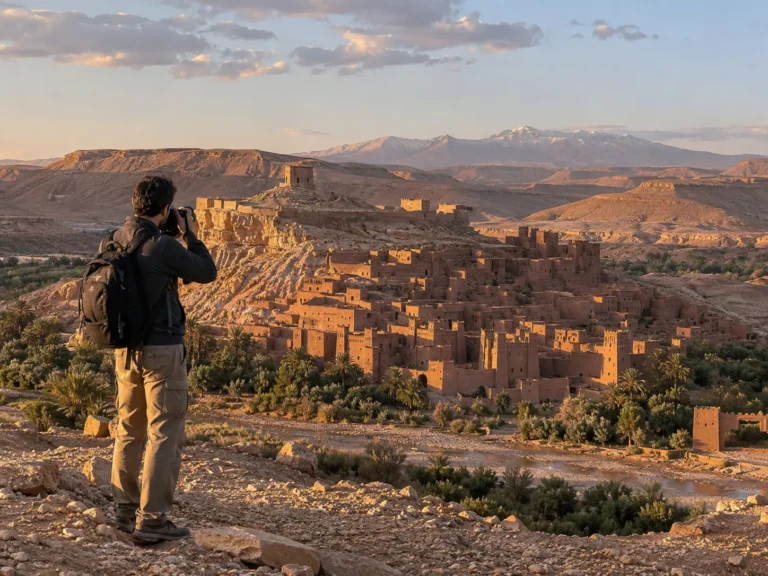
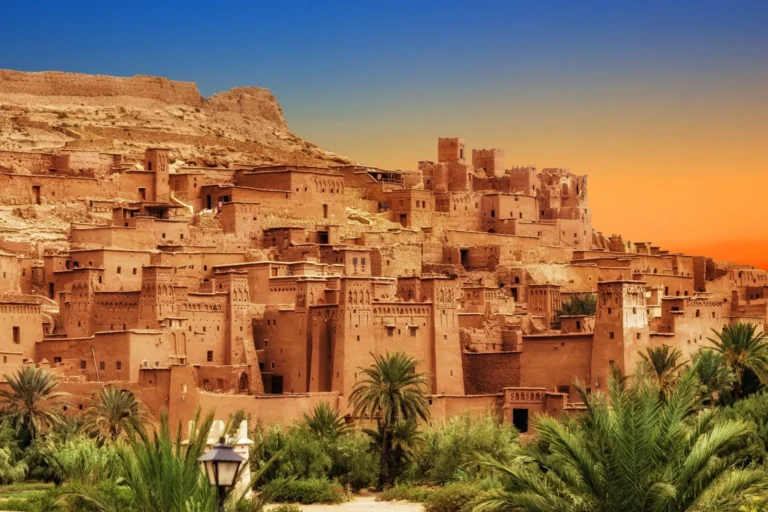
For a different side of Morocco’s architectural heritage, include Ait Ben Haddou or another stop on the southern kasbah routes.
Ait Ben Haddou is a fortified earthen settlement, or ksar. Its compact buildings, towers and defensive structures illustrate traditional pre-Saharan construction and help show how architecture responds to available materials, climate and older trade routes.
Southern Morocco works best as part of a route rather than a quick out-and-back photo stop.
Ouarzazate, oasis valleys, kasbah landscapes, agricultural areas and villages can be connected over several days, especially when the itinerary continues toward Merzouga or the Draa Valley.
Atlas Mountains and Amazigh Heritage
The merged cultural articles give considerable attention to the Atlas Mountains and communities historically described in tourism material as Berber.
Amazigh is also widely used for the Indigenous peoples of Morocco and North Africa, and Tamazight refers to Amazigh language varieties and Morocco’s official Amazigh language.
A cultural journey through the Atlas Mountains can include:
- Guided valley walks
- Terraced agricultural landscapes
- Mountain guesthouses
- Local meals
- Village architecture
- Weaving and other crafts
- Conversations with local guides or hosts
Do not treat a village itself as a cultural performance. People live and work there independently of tourism.
The most useful experiences involve an actual host, guide, guesthouse, artisan or community-run activity that has been arranged for visitors.
Village Life and Rural Morocco
Several of the merged articles focus specifically on local villages and rural life.
That theme belongs in a cultural holiday, but it needs careful framing.
Rural cultural travel can help you understand:
- How agriculture changes by region
- Traditional building materials
- Seasonal work
- Local markets
- Food production
- Household and community crafts
- The relationship between villages and surrounding landscapes
A meaningful visit might involve staying at a locally run guesthouse, walking with a village guide, eating an arranged meal, visiting a cooperative or joining an organized craft activity.
It should not involve entering homes or photographing residents simply because the village has been included on a tour itinerary.
Sahara Routes and Cultural Context
The Sahara near Merzouga is often added for its landscape, but it can also form part of a cultural holiday.
The journey through southeastern Morocco passes towns, oasis regions, markets and settlements where everyday life differs substantially from the imperial cities.
A desert night becomes more meaningful when it is part of that wider route rather than an isolated camel ride.
A cultural desert journey can include:
- Rissani and regional markets
- Oasis landscapes
- Khamlia and organized Gnawa music experiences
- Local food
- Hosted activities
- Southern architecture
- A desert camp
- Camel trekking or 4×4 travel if desired
Avoid presenting every person living in southeastern Morocco as nomadic or assuming that every camp performance represents one universal traditional culture. Communities in the region have varied histories and modern livelihoods.
Food Is Part of the Cultural Experience
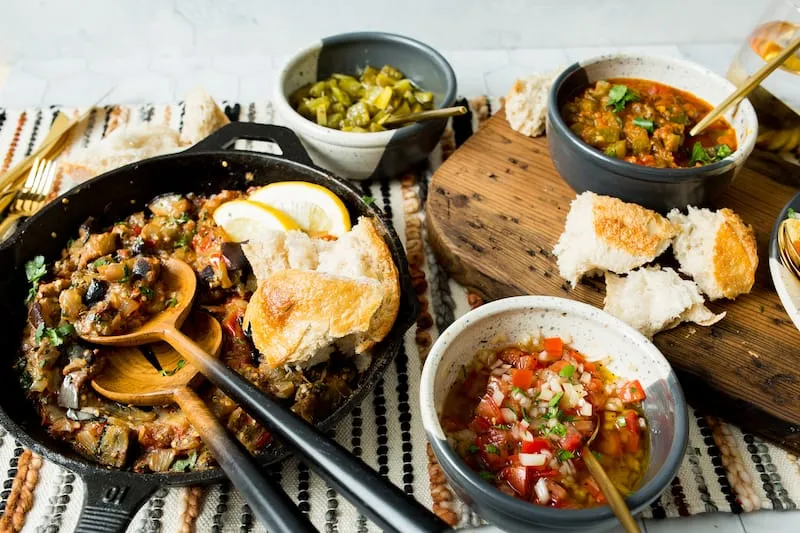
Food is one of the easiest ways to deepen a Morocco cultural holiday.
Moroccan cuisine changes by region, household, season and occasion. Tagine and couscous are internationally familiar, but limiting the experience to two dishes misses much of the country’s variety.
Depending on where you travel, you may encounter:
- Harira
- Pastilla
- Different regional tagines
- Couscous
- Grilled meats
- Moroccan salads
- Fresh bread
- Olives
- Dates
- Seasonal fruit
- Atlantic seafood
- Regional mountain or desert dishes
Visit Food Markets
Markets help explain what eventually reaches the table.
Produce sections, spice stalls, bakeries, olive sellers and butchers show everyday food culture more clearly than a restaurant menu alone.
Take a Cooking Class
Several merged cultural-tour articles recommend cooking classes.
A useful class goes beyond following a recipe. Ingredient selection, spices, preparation methods and the context of when a dish is normally eaten can make the experience much more informative.
Stay in a Riad or Guesthouse
A family-run riad or guesthouse may provide opportunities for quieter breakfasts and dinners that differ from restaurant dining.
This does not automatically make the experience more “authentic,” but smaller accommodation can provide a more personal setting.
Hospitality, Tea and Everyday Interaction
Hospitality is frequently emphasized in writing about Morocco, and sharing tea can be an important social gesture.
However, visitors should avoid expecting every conversation, cup of tea or family interaction to become a cultural performance.
Sometimes tea is simply tea.
Being curious, patient and respectful generally creates better interactions than arriving with a checklist of experiences you expect local people to provide.
Crafts, Souks and Artisan Traditions
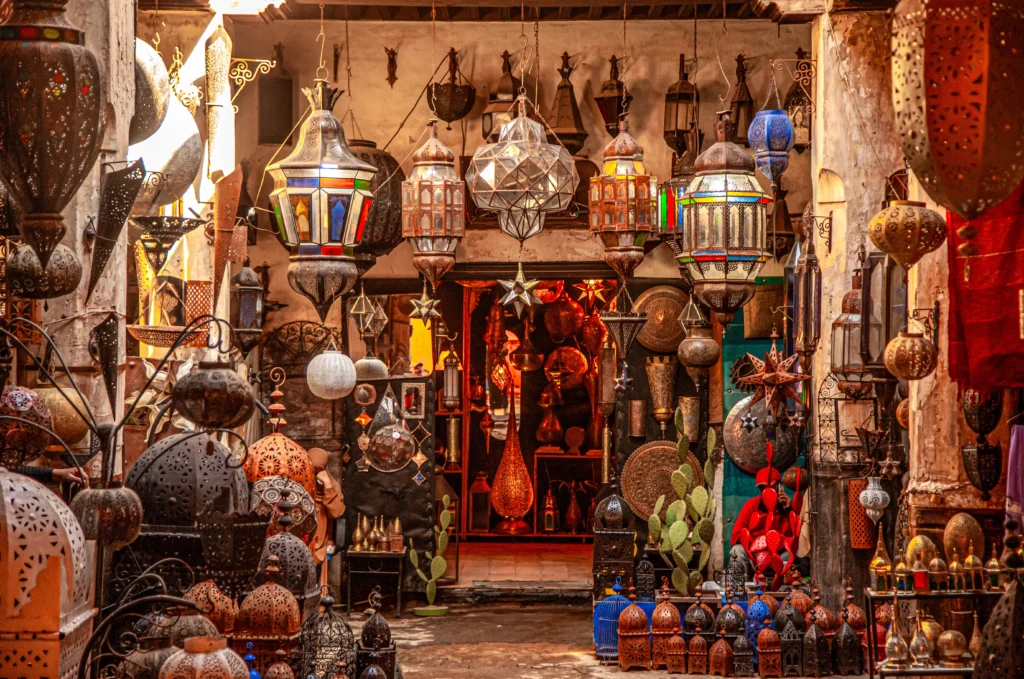
Morocco’s craft traditions are among the most visible parts of cultural travel.
Depending on the city or region, you may encounter:
- Ceramics
- Textiles
- Leather goods
- Carpets
- Metalwork
- Carved wood
- Embroidery
- Jewelry
- Zellige
- Basketry
Quality, materials, production methods and prices vary considerably.
- Ask before photographing craftspeople closely.
- Compare workmanship and materials rather than focusing only on price.
- Bargaining is common in many souks, but keep the exchange respectful.
- Do not assume every object sold in a medina was made locally.
- If a guide introduces you to a shop, you are still free not to buy.
The strongest artisan visits explain materials, tools, techniques and regional styles. Understanding how something is made can be worthwhile even when you purchase nothing.
Hands-On Cultural Workshops
Several merged articles recommend workshops as a way to participate rather than only observe.
Depending on availability and destination, these might include:
- Pottery
- Cooking
- Weaving
- Calligraphy
- Traditional design or decoration
Before booking, ask who teaches the session, how long it lasts, whether the activity is genuinely hands-on and whether purchasing products afterward is optional.
A workshop should provide learning first and shopping second.
Moroccan Architecture and Design
Architecture provides another way to follow cultural change across Morocco.
In Fes and Marrakech, look for carved plaster, cedar wood, tilework, courtyards and traditional urban houses.
In southern Morocco, earthen materials become much more visible in ksour and kasbah landscapes.
In mountain communities, architecture reflects different climates, available materials and local building traditions.
Rather than seeing each monument as an isolated attraction, look for recurring materials and design ideas as the route changes.
Music, Festivals and Celebrations
Some of the merged cultural articles recommend Morocco’s music and festival traditions.
Examples can include major events associated with Marrakech or Fes, local celebrations and regional musical traditions.
Festivals are date-specific, so they should never be presented as permanent itinerary attractions. If attending one is important to your holiday, verify the official dates and program before booking flights and accommodation.
A cultural trip does not need a festival to include music. Organized performances, Gnawa experiences, local venues and scheduled camp music may also fit depending on the route.
How Long to Plan for a Morocco Cultural Holiday
The right duration depends on how many cultural regions you want to understand.
Morocco may look manageable on a map, but major cultural areas are separated by meaningful road distances. Trying to combine northern Morocco, imperial cities, Atlas Mountains and the Sahara in a short holiday normally means sacrificing time in the places you traveled to see.
| Trip length | Good cultural focus | Suggested pace |
|---|---|---|
| 4–5 days | Marrakech, or Fes with one nearby excursion | Short city-focused cultural break |
| 7 days | Marrakech + Fes, or one city plus southern Morocco | Major sights with room for slower exploration |
| 10 days | Marrakech + Fes + Atlas or south | Balanced first cultural journey |
| 12–14 days | Imperial cities + north or Atlas + southern Morocco/Sahara | Regional variety with more two-night stays |
If culture is the main priority, an extra night in Fes or Marrakech is often more valuable than adding another distant destination simply to increase the number of places visited.
For detailed route planning by trip duration, use the Morocco Itineraries guide.
A 12-Day Cultural Immersion: What Fits?
One of the merged articles is specifically built around a twelve-day cultural tour.
Rather than copying its schedule into this cultural-holiday pillar, use it as an example of what becomes possible with more time.
A twelve-day cultural journey can combine:
- Marrakech and Jemaa el-Fna
- Medina artisans
- Atlas Mountains
- Amazigh communities
- Local food and cooking
- Fes
- Chefchaouen
- Dades Valley
- Sahara landscapes
- A desert camp
- Music and hosted cultural experiences
The important improvement is pacing. Use the twelve days to spend longer in key regions rather than creating another country-wide checklist.
Getting Between Cultural Destinations
Route design matters as much as the list of attractions.
Major Moroccan cities can be connected by rail and road, while smaller towns, Atlas valleys and Sahara routes generally require road transport.
Train
Rail can be convenient when traveling directly between major cities on the network.
Private Driver
Private transport becomes particularly useful when the itinerary contains rural areas, southern Morocco or several stops between cities.
Local Guides
A local guide can add context in complex medinas and cultural sites even when you arrange the intercity transport independently.
A driver and a specialist guide are not automatically the same role.
Walking
Inside medinas, walking is often the main way to explore. Comfortable shoes matter more than trying to schedule every attraction back-to-back.
Best Time for a Cultural Trip to Morocco
Spring
Spring is popular for cultural travel because temperatures are generally comfortable for walking and outdoor sites. It also works well when the route includes mountain valleys.
Summer
Summer can be very hot in Marrakech, Fes and southern Morocco.
Plan intensive sightseeing early in the morning and later in the afternoon, with a slower middle of the day.
Autumn
Autumn is another strong period for combining medinas, mountains and southern Morocco.
Winter
Winter can work very well for city exploration, although mornings and evenings may become cold inland and in the mountains.
Desert nights can also be cold.
Ramadan and Religious Holidays
Travel remains possible during Ramadan and other religious periods, but meal patterns, opening hours and everyday routines may change.
Check current opening information shortly before your visit rather than relying on a year-old schedule.
Responsible Cultural Travel
The most useful cultural travel happens when residents are treated as people rather than attractions.
- Ask before photographing people closely.
- Do not enter workshops, courtyards or homes without permission.
- Respect religious-site access rules.
- Choose locally run guides, guesthouses and workshops when they fit your needs.
- Avoid expecting every local interaction to become entertainment.
- Do not pressure people to pose for photographs.
- Keep village visits specific and hosted.
- Support craftspeople because you value their work, not because you feel obligated to buy.
Responsible tourism can provide economic opportunities for local guides, artisans and accommodation providers while giving travelers better context about the places they visit.
Practical Cultural Travel Tips
Dress
You do not need to copy local clothing, but comfortable, relatively modest clothing is a practical choice in traditional neighborhoods and around religious settings.
Photography
Ask before photographing people at close range, particularly artisans working inside small workshops.
Places of Worship
Access to mosques and other religious spaces may be restricted. Follow signs and local guidance rather than assuming a historic building is open to visitors.
Cash
Cash remains useful in souks, smaller cafés and rural areas. Keep smaller denominations for modest purchases and tips.
Guides
Before starting a guided walk, confirm the duration, main focus, entrance fees and whether shopping stops are included.
Language
Learning a few words of Moroccan Arabic or Tamazight can be appreciated. French is also used in many tourism settings.
Patience and respectful communication matter more than memorizing a long list of phrases.
For a deeper guide to language, customs and respectful behavior, read Morocco Culture and Etiquette.
Who Is a Morocco Cultural Holiday Best For?
A cultural journey works especially well for:
- First-time visitors who want context as well as sightseeing
- Repeat visitors wanting to explore a region more deeply
- Travelers interested in architecture
- Food-focused travelers
- Photographers interested in street scenes and craftsmanship
- Families who prefer varied experiences
- Couples and small groups
- Travelers interested in workshops and local guides
It may be less suitable for travelers who want a resort-style holiday with minimal movement.
Medinas can involve long periods of walking, uneven surfaces and stairs. Regional cultural itineraries may also include long road sections.
Choosing fewer bases and staying longer in each usually creates a more comfortable trip.
FAQ
How many days do I need for a Morocco cultural holiday?
Seven to ten days is a useful starting point for a first cultural trip. Seven days can combine two major areas, while ten days gives you more flexibility for Marrakech, Fes and part of the Atlas or southern Morocco. With twelve to fourteen days, you can add another region without spending every day changing accommodation.
Which Moroccan city is best for history and traditional culture?
Fes is particularly strong for historic medina life, traditional crafts and medieval urban architecture. Marrakech offers a different combination of palaces, souks, gardens and busy public spaces. Visiting both gives you a better understanding of how Morocco’s urban cultural traditions vary.
Do I need a guide in the medinas?
You can explore independently, but a knowledgeable licensed local guide can add historical and cultural context, particularly in Fes. A useful approach is to take a guided walk early in the stay and then return independently to areas that interested you.
Can I combine a cultural holiday with the Sahara?
Yes. The strongest approach is to make the Sahara part of a multi-day journey through southern Morocco. That lets you include kasbahs, valleys, towns, oasis landscapes and markets as well as Erg Chebbi and a desert camp.
How can I visit Moroccan villages respectfully?
Choose an arranged experience involving a local guide, guesthouse, artisan, meal or other willing host. Do not assume that residential homes or people’s daily routines are automatically open to visitors, and always ask before taking close photographs.
What should I wear on a cultural trip to Morocco?
Lightweight, comfortable and relatively modest clothing is practical for medinas and cultural sites. Carry additional layers for cooler evenings, mountains and desert areas, and wear comfortable walking shoes. Follow posted guidance at religious and historical sites.
Plan Your Journey Around Culture, Not a Checklist
The most rewarding Morocco cultural holiday is rarely the one with the highest number of stops.
It is the journey that gives you enough time to understand a medina, taste food from different regions, see how architecture changes between the imperial cities and southern Morocco, learn how crafts are made and recognize that everyday life varies significantly across the country.
Fes and Marrakech provide strong urban foundations. The Atlas Mountains introduce another language, landscape and cultural setting. Ait Ben Haddou and southern Morocco add earthen architecture and oasis routes. The Sahara can add regional food, towns and communities as well as dunes. Chefchaouen can introduce a northern dimension when the route supports it.
The merged cultural-tour articles repeatedly use words such as authentic, immersive and local. The best way to make those ideas meaningful is not to promise staged access to people’s private lives. Instead, choose knowledgeable local guides, real workshops, locally run accommodation, organized hosted activities and enough unscheduled time to observe places as living communities.
Explore current cultural tours in Morocco if you prefer an organized route, or use the custom Morocco trip planner to build a journey around your interests, travel dates and preferred pace.
Explore destinations, tours and locally organized Morocco experiences with Visit Morocco Together.
Ready to Experience Morocco?
Turn this inspiration into your next adventure. Our travel experts are ready to help.