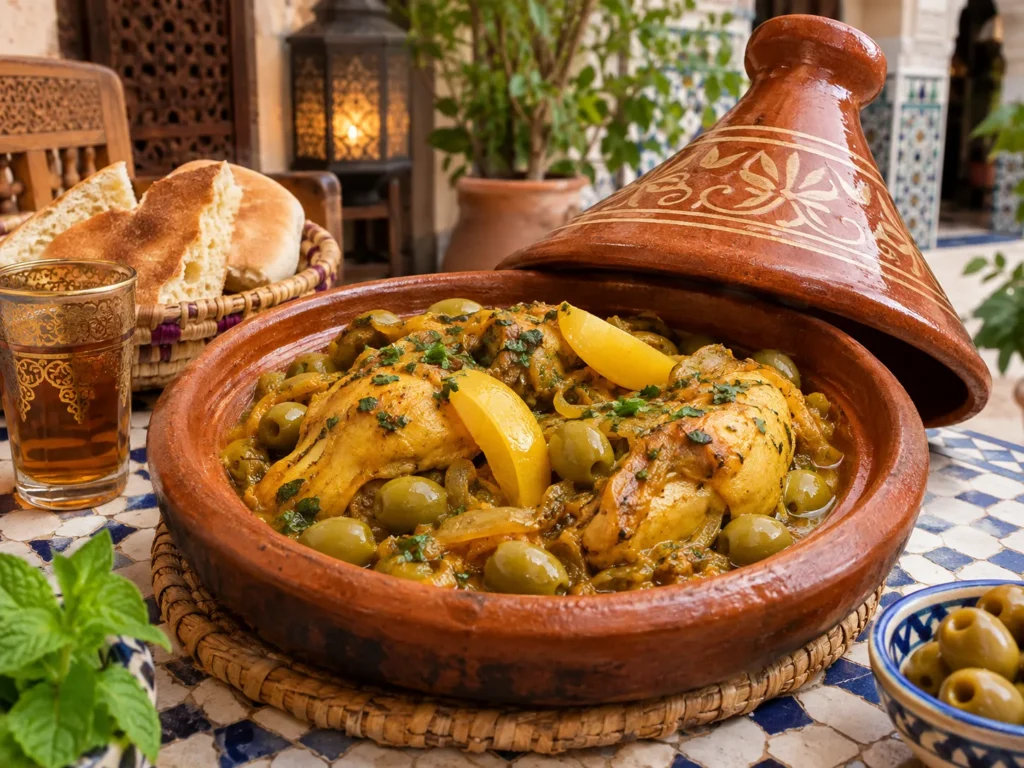
Is food in Morocco halal? For most travelers eating traditional Moroccan cuisine, halal food is widely available and meat is commonly prepared according to Muslim dietary practices. Morocco is a Muslim-majority country, so a visitor usually does not need to search for a specialist halal restaurant to find familiar local dishes.
However, “widely available” is not the same as “everything is guaranteed halal.” International restaurants, hotel menus, imported packaged foods and particular ingredients may require closer checking. This guide explains what to expect from Moroccan meals, what halal certification means and how to ask clear questions without making dining unnecessarily complicated.
Is Food in Morocco Halal at Most Restaurants?
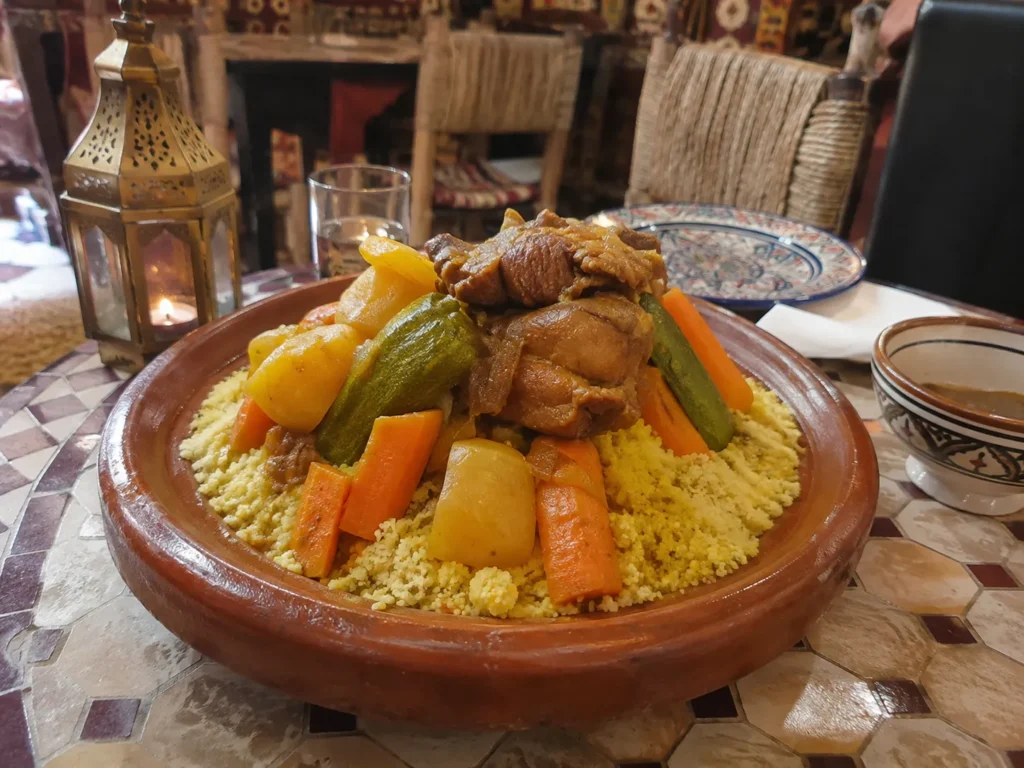
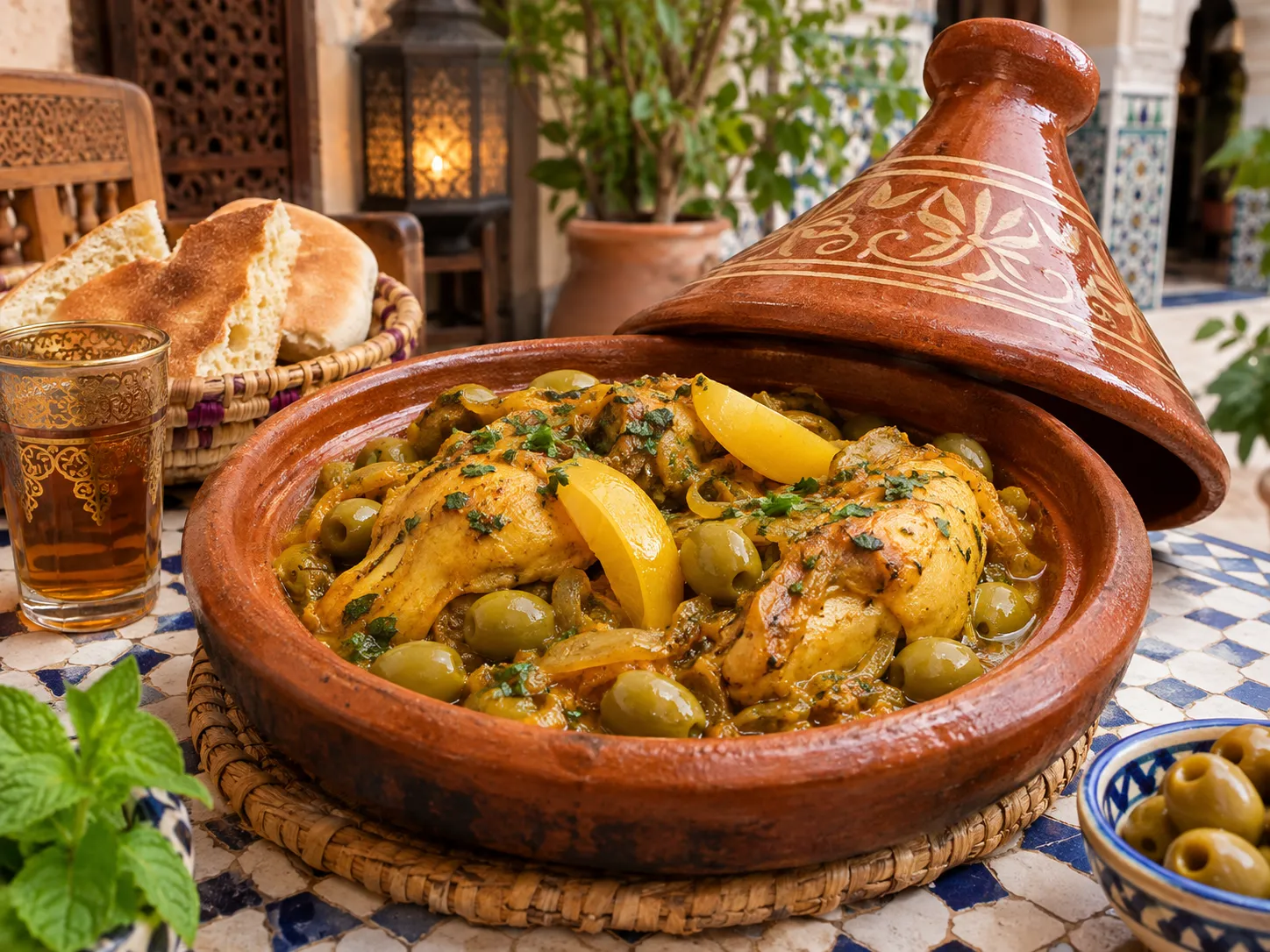
Traditional Moroccan restaurants, neighborhood grills and local butchers generally operate in a setting where halal meat is the customary expectation. Chicken, beef and lamb are common in tagines, grilled dishes and couscous, while fish is important in coastal towns. For many Muslim visitors, this makes everyday meal planning relatively straightforward.
Still, no national rule means every item on every restaurant menu is independently halal-certified. A traditional family restaurant may follow Muslim dietary practices without displaying a certificate. A hotel catering to international guests may have a different menu or kitchen arrangement. If you need documented assurance about meat sourcing or preparation, ask the individual business rather than relying on the country’s religious identity.
How Does Halal Certification Work in Morocco?
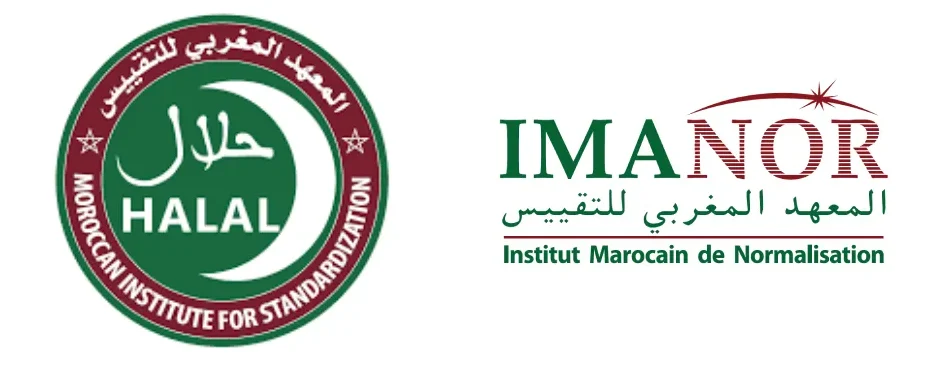
Morocco has a formal national halal labeling system. The Moroccan Institute for Standardization, known as IMANOR, administers the Halal Maroc label, which attests to conformity with the Moroccan halal food standard NM 08.0.800. The process includes evaluation and monitoring of products covered by the certification.
This matters most when buying packaged products or when a supplier specifically claims to be certified. Certification applies to the products and scope stated; it should not be interpreted as proof that every dish in a hotel or every restaurant in the country has been audited. Similarly, the absence of a displayed certificate in a small local eatery does not by itself tell you whether the meat is halal.
If certification is essential to your decision, ask who issued it, which products it covers and whether the evidence is current. For a restaurant, you may also need to ask how its meat is sourced and whether it uses any non-halal ingredients in the final dish.
Which Moroccan Dishes Should Muslim Travelers Check?
Traditional dish names can help you order, but they do not describe every ingredient or every modern variation. The table below focuses on practical checks rather than declaring entire categories of food automatically halal.
| Food or Dish | What to Know | Question Worth Asking |
|---|---|---|
| Chicken, lamb or beef tagine | A common traditional main course with vegetables, spices and sometimes fruit. | Is the meat halal, and does the sauce contain wine? |
| Couscous | May be served with meat, vegetables and broth prepared together. | What meat or stock is used? |
| Harira | Tomato, lentil and chickpea soup; some recipes contain meat. | Does this version contain meat or meat stock? |
| Brochettes and kefta | Grilled skewers and seasoned minced-meat dishes. | What meat is used, and where is it sourced? |
| Pastilla | A pastry that may contain poultry, seafood or another filling. | Which filling and ingredients are in this version? |
| Desserts and packaged sweets | Recipes can contain gelatin, flavorings or other animal-derived ingredients. | Does it contain gelatin, alcohol or an ingredient of uncertain origin? |
Fish and simple vegetable dishes can be useful alternatives when you cannot confirm a particular meat source. However, sauces, stocks and cooking methods still matter. Travelers may also follow different religious interpretations concerning particular seafood or ingredients; use the standard that is appropriate for you.
Do Restaurants in Morocco Serve Pork or Alcohol?
Pork is not a characteristic ingredient of traditional Moroccan cooking, and many local restaurants do not serve it. That does not mean pork is absent from every international menu, hotel buffet or imported processed product. If you are ordering unfamiliar charcuterie, sausages or a foreign-style dish, check the ingredients rather than assuming.
Alcohol is available at licensed establishments in Morocco, including certain restaurants, hotels and bars. A restaurant may prepare halal meat while also selling wine or beer. Whether that setting meets your requirements is a separate question from the meat itself.
Ask about alcohol in the dish, not only whether drinks are sold on the premises. Wine-based sauces, desserts with liqueur or certain marinades may be relevant, particularly on international menus. If you need an entirely alcohol-free dining environment, confirm the policy before booking a table.
Are International Fast-Food Chains Halal in Morocco?
Do not assume that a global restaurant chain follows identical sourcing rules in every country. Check its Morocco-specific policy and the actual products you want to order.
For example, McDonald’s Morocco states that meat served in its Moroccan restaurants is halal-certified and describes independent supplier audits. That is a company-specific statement about its meat supply; it is not evidence that every other international fast-food chain uses the same system. If you require current documentary confirmation, ask the brand or branch about the specific product.
Is Moroccan Street Food Halal?
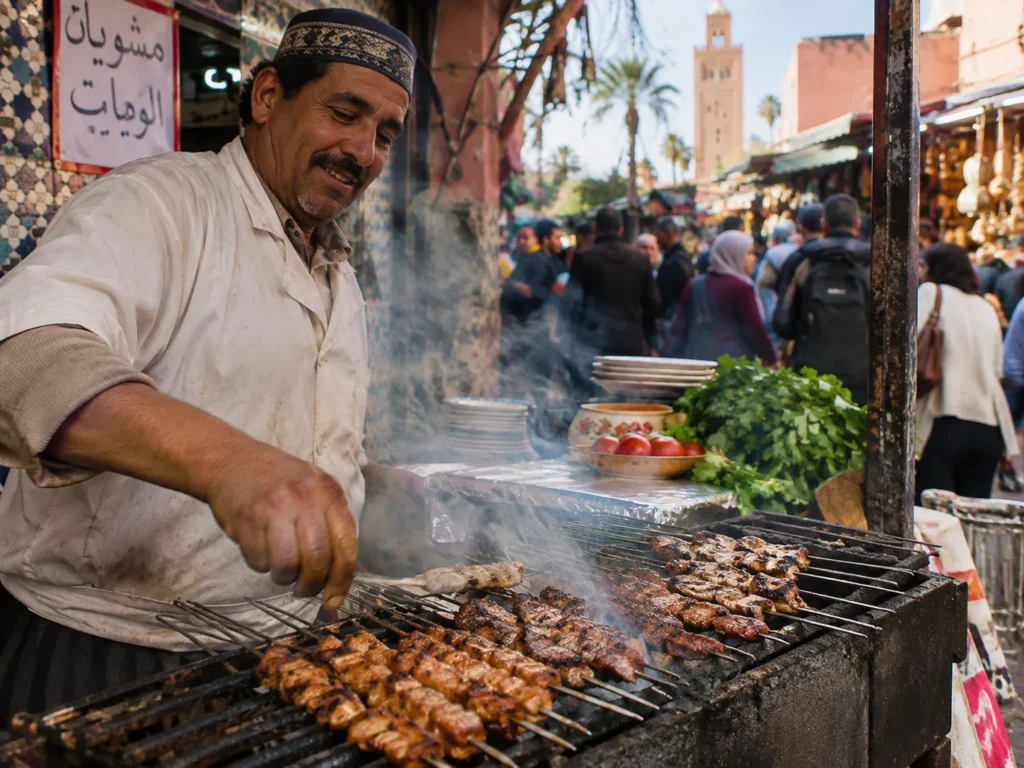
Local grills, soup stalls, bakeries and market counters commonly serve food consistent with Moroccan Muslim eating traditions. You can explore familiar options such as msemen, sfenj, harira, grilled skewers and fish without treating street food as automatically unsuitable.
For meat sandwiches, ask what kind of meat is inside and whether the supplier can explain its origin. With pastries, sauces or sweets, ingredients are often less obvious. For more ideas about what to order and how vendors prepare different foods, read the Moroccan street food guide.
Halal status and food hygiene are different questions. Food may satisfy your dietary requirements yet be stored or served unsafely. Prefer food cooked thoroughly and served hot, and look for reasonable handling of raw and ready-to-eat ingredients. The food safety guide for Morocco covers those precautions in more detail.
What About Food in Hotels, Riads and Included Tour Meals?
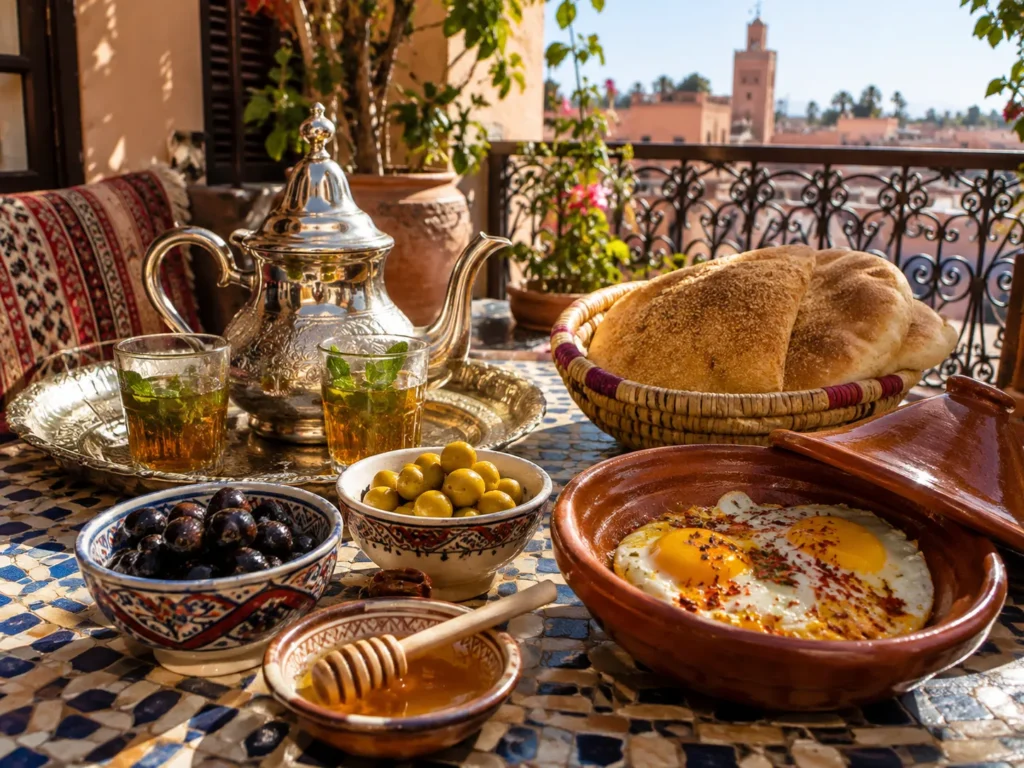
Traditional riad meals may be familiar to Muslim travelers, but you should not assume that an accommodation serves exclusively halal meat or operates an alcohol-free kitchen. Ask about breakfast meats, buffet dishes, restaurant sauces and whether special meal requests can be accommodated. If an entirely alcohol-free property matters to you, confirm that separately.
For accommodation choices, the Where to Stay in Morocco guide can help you compare riads, hotels and other options before asking each property about its kitchen policies.
Advance notice is especially useful on desert excursions, mountain trips and journeys with meals included. A driver or guide may stop at a local restaurant, but the tour name does not guarantee that every selected venue has a certification or menu that suits your requirements. Ask about meals before booking and confirm again when the itinerary is finalized.
The same principle applies to a food tasting or Moroccan cooking class. Clarify the full menu, meat sourcing and any alcohol used in cooking before paying. An activity can be culturally interesting without automatically meeting every dietary requirement.
How to Ask About Halal Food When Ordering
A short, specific question usually works better than asking whether the whole restaurant is “Muslim-friendly.” If you require halal-certified meat, say so. If your main concern is alcohol, pork or a particular ingredient, name it directly.
French can be useful in many Moroccan restaurants, alongside Arabic and Moroccan Darija. Some straightforward phrases are:
- “Est-ce que la viande est halal ?” – Is the meat halal?
- “Ce plat contient-il du porc ?” – Does this dish contain pork?
- “Y a-t-il du vin ou de l’alcool dans cette sauce ?” – Is there wine or alcohol in this sauce?
- “Avez-vous une certification halal pour cette viande ?” – Do you have halal certification for this meat?
Keep a written translation on your phone if the requirement is important and you do not share a language with the server. If a kitchen cannot confirm an essential ingredient, choosing a different dish or restaurant may be simpler than guessing.
Can Muslim Travelers Choose Vegetarian or Seafood Meals?
Yes. Moroccan cooking includes vegetables, legumes, bread and fish, so it is possible to build meals without meat when preferred. Zaalouk, taktouka, bissara and vegetable tagines are among the options worth exploring, depending on the preparation.
A vegetable dish may still contain meat stock, butter or another ingredient you want to avoid. Likewise, fish may be prepared with sauces or cooking liquids that require checking. For more detailed plant-based ordering advice, see Vegetarian and Vegan Food in Morocco.
Eating Halal Food During Ramadan
Ramadan does not change the basic questions about halal ingredients, but it can change when restaurants serve meals. Some small restaurants close during fasting hours, while hotels and visitor-oriented businesses may continue offering daytime food. Iftar, commonly called ftour in Morocco, brings evening menus featuring foods such as dates, harira and pastries.
If you are fasting, check whether your accommodation provides suhoor before dawn or a prepared ftour meal. If you are taking a day trip, plan meal times around the actual local schedule rather than expecting normal restaurant opening hours. The guide to eating during Ramadan in Morocco explains those changes in more detail.
FAQ
Is all meat in Morocco halal?
Halal meat is the customary expectation in much of traditional Moroccan dining, but not every individual supplier or restaurant is independently verified. If your requirements call for certification or detailed information about slaughter and sourcing, ask the specific business.
Do Moroccan restaurants use pork?
Pork is not a standard feature of traditional Moroccan cuisine, but it may appear in some international restaurants, hotels or processed foods. Check unfamiliar meat products and menu descriptions.
Does a halal restaurant have to be alcohol-free?
No. Serving halal meat and not serving alcohol are different policies. Some restaurants and hotels sell alcoholic drinks, so ask about the establishment’s policy and whether alcohol is used in the food itself.
Is McDonald’s halal in Morocco?
McDonald’s Morocco states that its meat is halal-certified and that its suppliers undergo independent halal audits. Check the current policy for your chosen products if you require specific documentary assurance. Do not extend that claim to every other chain.
Can I find halal food in Marrakech, Fes and other Moroccan cities?
Halal dining is widely available throughout Morocco, including major cities and smaller towns. Traditional eateries are familiar starting points, while international hotel restaurants or particular imported products may merit additional questions.
Do I need to find a certified halal restaurant to eat in Morocco?
That depends on your personal requirements. Many traditional restaurants follow Muslim dietary practices without displaying formal certification. If certified sourcing is essential to you, request evidence that covers the relevant meat or meal rather than assuming from a sign or restaurant description.
Enjoy Moroccan Food Without Making Assumptions
For most visitors, the answer to “Is food in Morocco halal?” is reassuring: traditional halal meals are widely available, and Moroccan cuisine offers plenty of choices. The important distinction is between an everyday expectation and documented certification. Check meat sources, unfamiliar ingredients and alcohol policies whenever they matter to you, especially in international dining settings.
For more Morocco food and travel-planning guidance, explore Visit Morocco Together.
Ready to Experience Morocco?
Turn this inspiration into your next adventure. Our travel experts are ready to help.