Experiences to have in Morocco can be as simple as learning how a cook seasons a tagine, listening to a musician explain an instrument, or spending a morning walking between mountain villages. The rewarding choices give you time to participate, ask questions and notice how a place works.
You do not need to ride a camel, climb a summit or buy a carpet to feel that you have experienced Morocco. Choose activities that suit your interests, comfort and route. A food class in Fes, a hammam in Chefchaouen and a surf lesson near Mirleft offer very different days, each with its own practical requirements.
The wider range of things to do in Morocco includes monuments, landscapes and organised activities. Here, the emphasis is on what you can take part in, how to choose the right format and what to ask before committing your time or money.
Choose experiences to have in Morocco around your route
Start with what you want to learn or feel during the trip. Cooking suits travellers who enjoy working with ingredients. A workshop visit appeals to someone interested in materials and techniques. A coastal lesson introduces a physical skill, while a riad evening can simply provide time to rest.
Then consider the commitment. A tea break can fit between other plans. A cooking class usually needs a substantial part of a morning or afternoon. A Sahara stay requires travel days as well as the night at camp.
For a short visit, choose one activity that involves participation and leave room for ordinary exploration. On a longer journey, vary the rhythm: a busy city morning, a slower cultural activity and an outdoor day. Repeating similar excursions in different towns can consume time without adding much.
Group size also changes the experience. In a kitchen, it affects how much cooking each person does. In a workshop, it affects whether you can hear the artisan. On a walk, it influences pace and opportunities for questions.
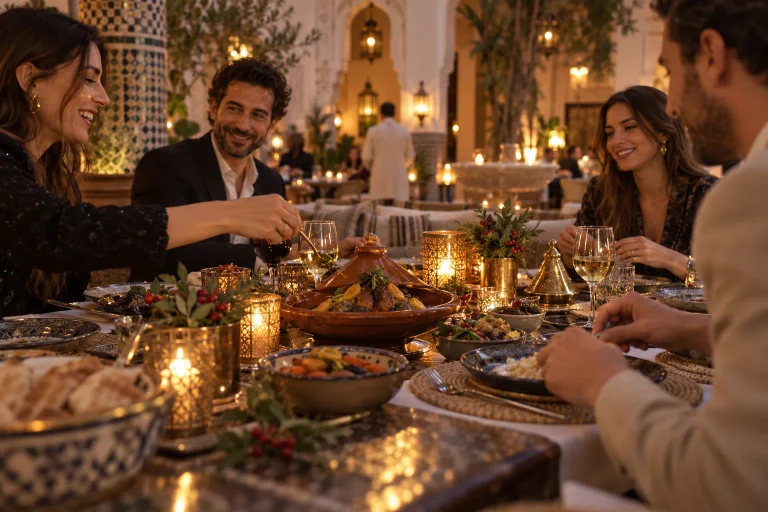
Learn to prepare a Moroccan meal
A cooking class gives a meal a different meaning. You can see how ingredients are selected, how a sauce develops and why the same dish tastes different from one kitchen to another.
Marrakech and Fes are practical places to investigate classes during a city stay. Elsewhere, accommodation hosts may arrange sessions, but the format deserves a closer look. Some classes involve preparing several components yourself; others are demonstrations followed by lunch.
Ask what participants actually do. Will everyone chop, season and cook, or will a single volunteer work while the rest watch? Does the market visit involve choosing ingredients, or is it a separate sightseeing walk?
The menu matters as much as the setting. Someone who regularly cooks tagine may prefer breads, salads or pastries. A family might enjoy a shorter session with manageable tasks for children.
Explain dietary requirements before paying. A vegetable dish may still use animal stock, and shared equipment can matter for allergies. Confirm whether the kitchen can accommodate your needs rather than relying on a vegetarian label.
Allow time to eat what you prepare. A class squeezed between an arrival transfer and a tightly scheduled tour can turn a sociable meal into a rushed appointment. The variety within Moroccan food also makes it worth choosing a menu that adds something beyond your usual restaurant orders.
Follow a food walk with a clear appetite and budget
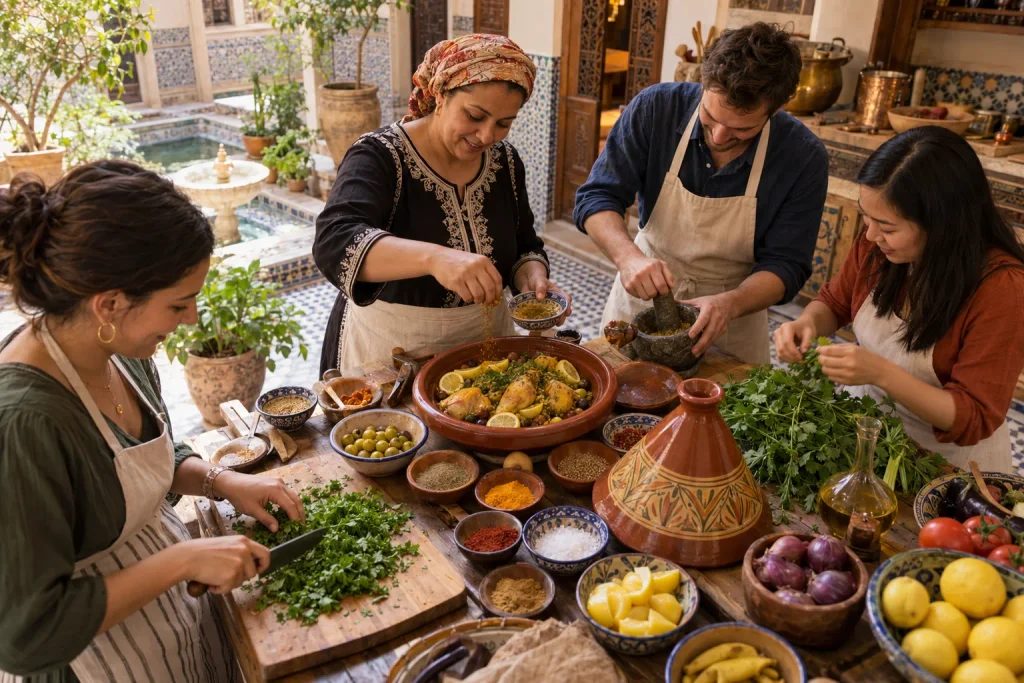
A food walk works well when you want to taste several dishes without organising each stop yourself. It can introduce bakeries, small counters and ingredients that are harder to understand from an untranslated menu.
Before booking, distinguish included tastings from purchases you pay for along the way. Ask roughly how much food is served, whether seating is available and whether drinks are included. A tasting route may replace a meal, or it may amount to a series of snacks.
Tell the guide what you already know. If you have spent several days eating tagine and couscous, you might prefer breads, soups, pastries or regional specialities. That makes the walk more useful than repeating familiar dishes.
Independent eating can be just as satisfying. Choose somewhere with clear prices and food prepared in front of you, and ask questions about ingredients. A queue alone does not establish hygiene, and a guided visit cannot guarantee that a dish will suit every stomach.
In a coastal town, agree how fish is priced and what preparation, sides and drinks cost before ordering. That small conversation leaves you free to enjoy the meal.
Visit an artisan and understand the work

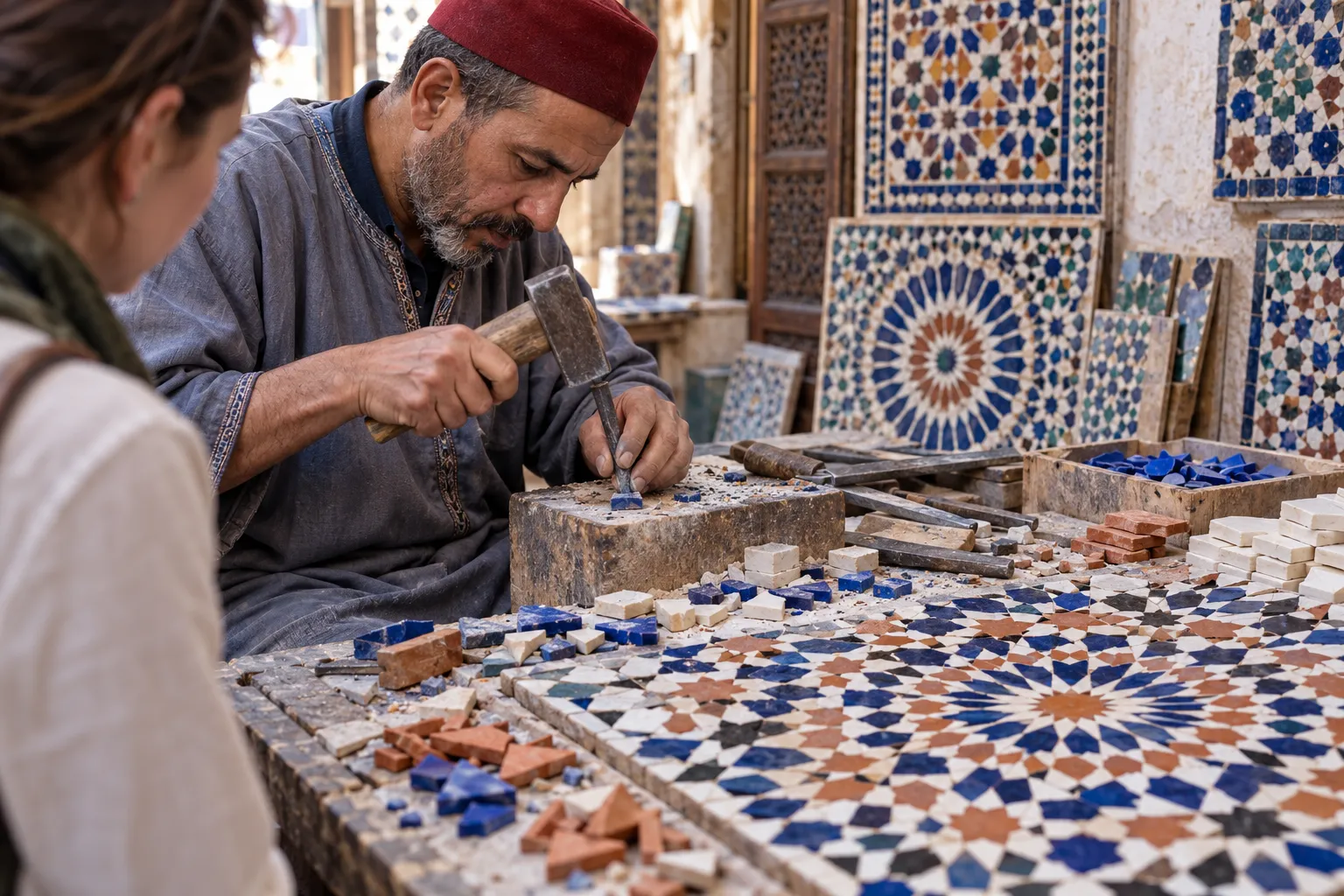
Watching a potter shape clay, a weaver work a loom or a craftsperson finish a metal surface can reveal details that disappear when you only see the finished object.
Choose the format carefully. A workshop visit may mean observing production and asking questions. A practical class should state what you will make, what instruction is provided and whether you can take the result home.
Safi offers a reason to give ceramics more than a passing look. Visit Morocco Together’s Safi artisan and heritage outing connects pottery workshops and the ceramic market with other parts of the city. If making a piece yourself is the priority, confirm that separately: visiting a workshop does not automatically include a pottery lesson.
For ceramics, ask about firing and collection. A freshly made object may need more time than your stay allows. Shipping, breakage cover and any later charges should be clear before you begin.
There is no obligation to turn every encounter into a purchase. Ask permission before photographing people at work, keep clear of tools and negotiate a buying price only when you are seriously interested. The practical side of shopping for Moroccan crafts becomes easier when you understand the materials and labour behind them.
Try a hammam that matches your comfort level
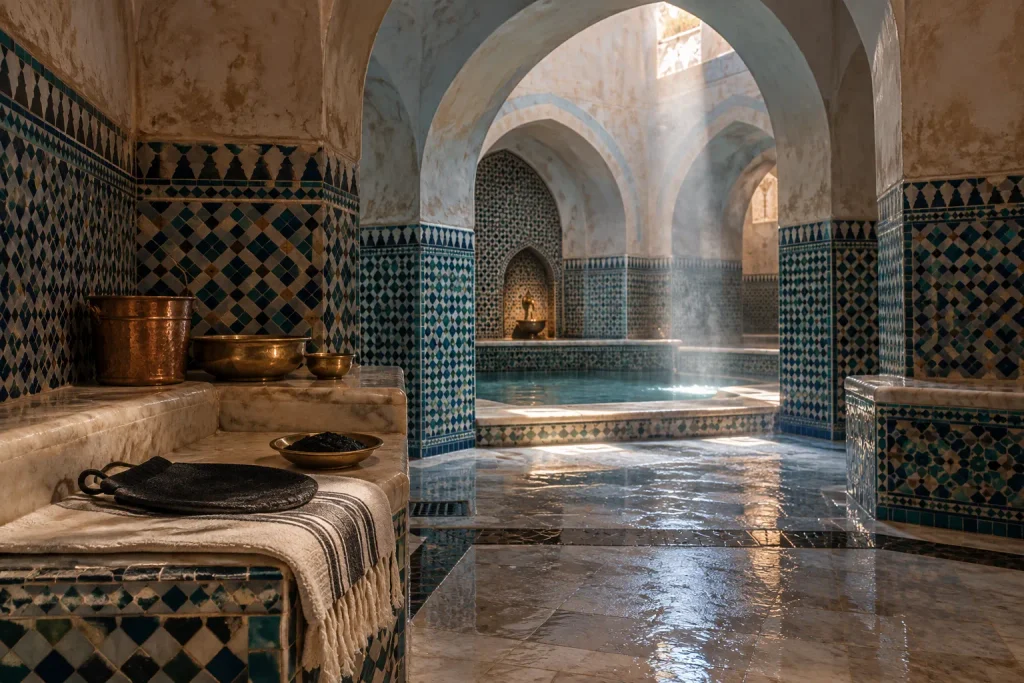
A hammam introduces a bathing tradition that can feel unfamiliar on a first visit. The important choice is the setting and service you want.
A neighbourhood bathhouse and a private spa appointment can differ in privacy, supplies, assistance and atmosphere. Ask whether the session is shared, how bathing areas are organised and what clothing is expected.
Also clarify the treatment itself. Entry, black soap, an assisted scrub and a massage are separate items unless the package explicitly combines them. An advertised spa experience does not necessarily include all four.
In Chefchaouen, Visit Morocco Together’s traditional hammam and wellness experience offers an organised way to include the ritual during a northern stay. Confirm the appointment length and room arrangements before planning the rest of your day; a general booking duration does not describe time spent receiving treatment.
Tell the attendant how much pressure you are comfortable with and speak up if you want the scrub softened or stopped. Leave your camera and phone outside the bathing space.
Place the appointment when you can enjoy a quiet period afterwards. If you have a condition affected by heat or concerns about skin treatments, obtain appropriate advice before choosing the service.
Spend time in a riad beyond the bedroom
A courtyard guesthouse can become part of the trip rather than simply somewhere to sleep. Breakfast, reading between outings and a prearranged evening meal allow you to enjoy the building at a slower pace.
Marrakech and Fes offer many such stays, but photographs of a courtyard reveal little about how a property works. Ask about your room’s location, stairs, heating or cooling, and how far luggage must be carried from vehicle access.
Sound matters too. Rooms facing a shared courtyard may hear breakfast preparation or other guests. A roof terrace may be reached only by several flights of stairs.
If food interests you, ask whether the kitchen prepares dinner and how much notice is required. A meal arranged ahead can be convenient after a long transfer, particularly when you do not want to navigate unfamiliar streets late in the evening.
The experience should suit your needs. Travellers who prioritise lifts, direct vehicle access or extensive facilities may prefer a hotel and visit a courtyard café instead. The trade-offs between riads and other places to stay in Morocco matter more than a decorative label.
Listen to music with some understanding of its context
Music can add depth to a journey when you have an opportunity to listen properly and learn what is being performed.
Gnawa is one tradition worth approaching with that curiosity. UNESCO’s description of Gnawa explains its connections with musical performance, spiritual practices and communities whose history includes slavery and the slave trade. That background gives the music a context beyond an evening entertainment programme.
A public concert and a private ritual serve different purposes. Choose an event that openly welcomes visitors, and ask about photography, recording and audience participation. A ticket does not imply permission to film everything.
For a restaurant performance, establish whether the price includes food, a seat or just entry. Ask about the actual music programme if that is the reason for attending.
Avoid assuming a festival will coincide with your stay. Confirm the organiser’s programme before arranging transport or accommodation around it. A smaller performance with time to hear and understand the musicians may suit you better than a crowded event.
Make time for storytelling and an evening square
Jemaa el-Fna in Marrakech can be experienced through sound and movement as well as photographs. Arriving before evening activity builds lets you observe the square changing over time.
The cultural space of Jemaa el-Fna recognised by UNESCO includes oral traditions and performance. A storyteller’s language, audience interaction and gestures are part of the encounter, even when visitors cannot follow every word.
If understanding a story matters to you, look for an announced session in a language you speak or arrange interpretation. Do not assume every gathering is a scheduled tourist show.
At public performances, ask before taking close photographs or filming and clarify any payment expected for participation. Choose where you stop thoughtfully; you can enjoy the square without paying for animal photo opportunities.
Give yourself an easy exit when noise or crowds become tiring. A café overlooking the area offers another way to spend time there, provided you check menu prices and seating conditions first.
Share tea without turning hospitality into a checklist
Tea often provides a pause in a busy day. You can enjoy it at your accommodation, in a café or as part of an arranged activity where the host has time to talk.
Ask how it is prepared and whether sugar can be adjusted before serving. Recipes and preferences vary; one glass should not become a claim about how everyone in Morocco drinks tea.
When tea is offered in a shop, keep hospitality separate from a buying decision. You can thank the host and decline a purchase. If you are interested in an object, discuss its price and conditions clearly.
A hosted meal requires more planning than an informal café stop. Confirm who receives the guests, what is included, how the host is paid and which languages are spoken. A paid experience can be worthwhile without being presented as a spontaneous invitation.
Let conversation develop at a pace that suits both sides. People have work and family responsibilities, and a visitor’s interest does not create an entitlement to enter a home or photograph a household.
Walk with a mountain guide at a suitable level
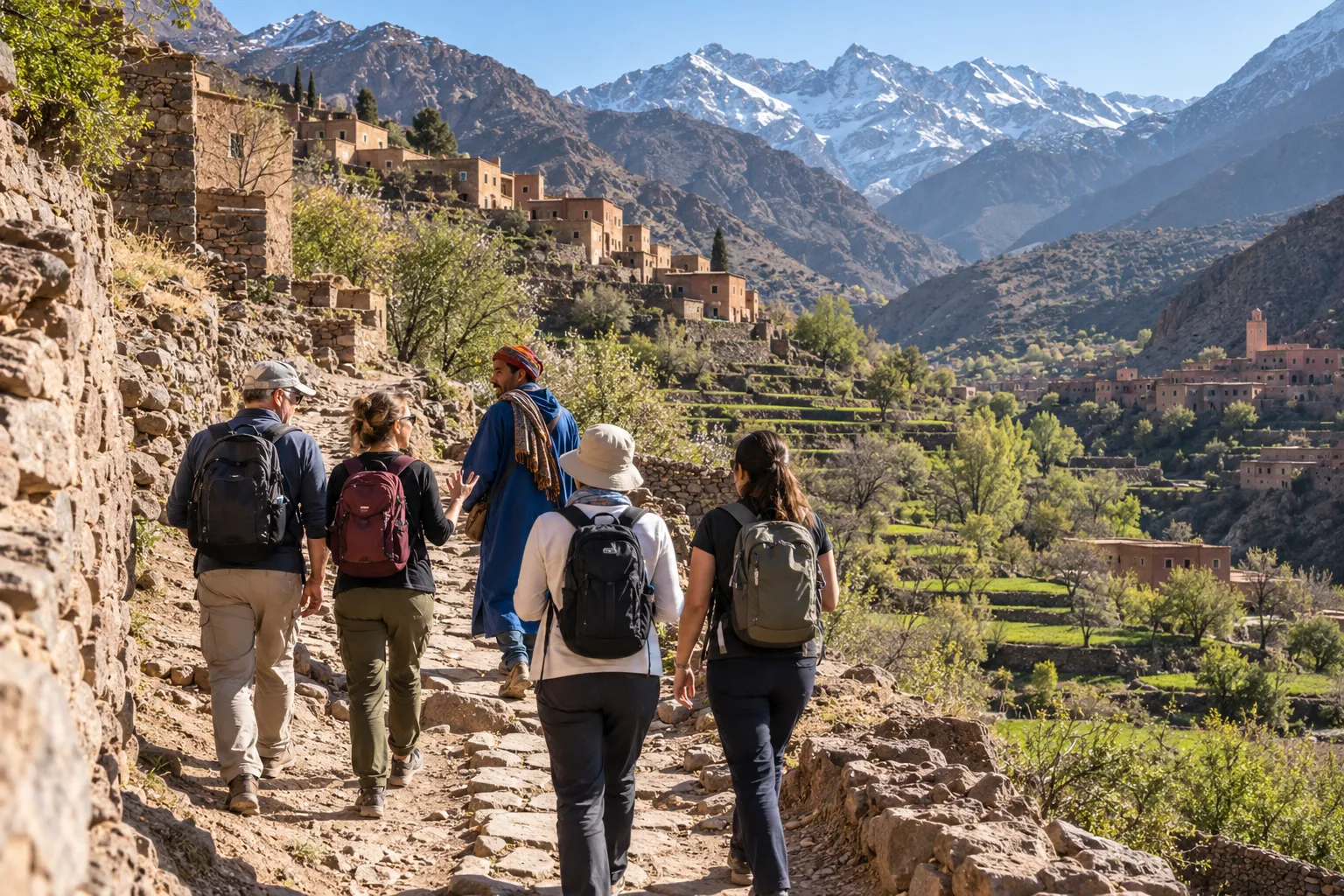
A mountain experience can be a gentle village walk, a longer valley route or a demanding trek. The title “Atlas excursion” tells you very little about the physical commitment.
Ask for walking distance, expected ascent, trail surface and time on foot. Also establish how much of the day is spent travelling by vehicle. Several scenic stops can make a pleasant outing, but they do not amount to a walking day.
Around Imlil or other mountain bases, choose a route for the least confident member of your group. A short walk with time for questions may be more satisfying than a summit objective that dominates the whole trip.
For a hosted lunch, confirm the arrangement in advance. Guides should seek permission before bringing visitors into private spaces, and meal costs should be clear.
Weather and trail conditions determine what is appropriate. Clothing, footwear and guide requirements should follow the actual route and conditions rather than a general description of Morocco as warm.
The different areas within the Atlas Mountains offer different terrain and access. Select the walking experience first, then decide whether it fits as a day outing or deserves an overnight stay.
Give a Sahara night enough time
An overnight desert stay is an experience with a substantial journey attached. The camp dinner, evening outdoors and morning light occupy only part of the total commitment.
Decide which desert area fits your route before comparing tents. Merzouga and Erg Chebbi suit different approaches from the more remote Erg Chigaga area. Agafay provides a rocky landscape near Marrakech and should not be confused with the Sahara’s dune fields.
Ask where the camp is, how guests reach it and how long each transfer takes. Clarify whether a camel ride is optional and whether another transfer can be arranged if riding is unsuitable for you.
Camp categories do not answer every practical question. Ask about bathroom arrangements, bedding, electricity, temperature control where available and the location of shared facilities. Photographs of a furnished tent do not establish these details.
Evening music, clear stars and quiet surroundings depend on the programme, weather and nearby activity. Choose a package for the experience it actually describes.
A considered Sahara Desert route leaves room for the journey as well as the overnight stay. Avoid putting a long desert transfer immediately before a flight or treating a camp night as an effortless addition to a short city break.
Take a coastal lesson suited to the conditions
A surf lesson provides an active contrast to medina walks and museum visits. Your instructor, teaching format and conditions matter more than the reputation of a particular beach.
Ask how students are grouped, whether the equipment fits and how long the lesson includes instruction in the water. A day programme may also contain transfers, breaks and time on shore.
Taghazout, Essaouira and Mirleft are places to investigate according to your route. They are not interchangeable, and the instructor should choose a teaching location for the day’s conditions and the group’s ability.
For travellers already staying in the southwest, Visit Morocco Together’s Mirleft ocean activity introduction offers a starting point for discussing a supervised session. Confirm the activity, instruction time and equipment included before booking; an ocean introduction should not be assumed to promise a particular surf break.
Be open about swimming confidence and previous experience. Agree what happens if conditions require a change or cancellation.
If entering the water does not appeal, a coastal walk and an unhurried meal can provide the contrast you wanted. You do not need to book a water sport to justify time beside the Atlantic.
Experience football through a properly planned match
A football match can introduce another side of a city: neighbourhood loyalties, songs and the atmosphere around a shared event.
Start with a confirmed fixture and the actual venue. A club’s usual stadium is not enough information to arrange a matchday, because venue and access details can change.
Choose the occasion for your comfort and route. A highly charged derby may be less suitable for a first visit than another fixture with clearer ticket availability and manageable logistics.
Buy through the channel announced for that match and check identification requirements, permitted belongings and entry arrangements. Plan how you will return after the final whistle, especially if your accommodation is outside the immediate area.
If attending is impractical, a café showing football may still offer a sociable evening. Ask whether the match is being screened and whether the setting suits your group.
The broader connection between football and travel in Morocco becomes useful when choosing a city stay. Let a verified event enrich the route rather than building non-refundable arrangements around an unconfirmed match.
Take photographs through a shared interest
Photography can become a more thoughtful experience when you spend time with a subject, learn about a neighbourhood or walk with someone who understands the local setting.
Choose a photography outing by its purpose. Instruction in composition and camera settings is different from transport between viewpoints. Ask whether the leader teaches photography or primarily guides the route.
For portraits, obtain permission before lifting the camera. A broad street scene and a close portrait involve different expectations. In homes, workshops and religious settings, ask what is appropriate and accept a refusal without negotiation.
Chefchaouen’s lanes, a working port or a village pathway are also places where people live and work. Keep doorways clear and avoid interrupting someone’s task to stage an image.
You can still enjoy the experience without photographing people. Architecture, light, materials and landscapes provide plenty to study. Clearer expectations about photography and permissions in Morocco help you choose a subject and pace that respect the setting.
Build an itinerary with space between activities
A balanced experience programme needs recovery time and room for changes. Plan your main commitment first, then use nearby free time for lighter activities.
In Marrakech, one day might combine a cooking class with a quiet afternoon and an evening square visit. On a separate day, choose either a mountain outing or more time in the city. Avoid assuming that a long excursion leaves you ready for another substantial activity that evening.
On a northern route, you could pair a guided Fes walk with a food activity on another day, then allow Chefchaouen time for walking and a hammam appointment. Travelling between bases remains part of the schedule.
For an Atlantic stay, consider a lesson early enough in the visit to allow some flexibility if conditions change. Keep the surrounding day light rather than following physical activity with a long drive.
A desert journey needs a different rhythm altogether. Count travel days honestly, distinguish nights in hotels from nights at camp and leave a sensible buffer before onward transport.
Before paying for any organised experience, establish:
- What you will personally do, rather than only observe.
- The meeting point and any hotel pickup arrangements.
- The language, group size and level of physical activity.
- Included materials, food, equipment and admission charges.
- Privacy arrangements or participation requirements that matter to you.
- Cancellation terms and what happens if conditions change.
These questions turn an appealing description into a choice you can assess. A shorter activity with a clear format often fits a holiday more comfortably than a packed programme.
Questions about experiences in Morocco
Which experiences suit a first visit?
A food activity, time exploring a medina and one contrasting outdoor or cultural experience make a useful starting point. Choose according to your base and interests. There is no need to include the desert, mountains and coast within a short stay.
Do you need a guide for every experience?
No. Café visits, many meals and ordinary city exploration can be independent. Instruction, unfamiliar trails, specialist activities and arranged access to workshops or hosts may benefit from a guide or require a qualified provider. Confirm the needs of the specific activity.
Can you enjoy a desert stay without riding a camel?
Ask the operator whether an alternative transfer is available for the chosen camp and what it costs. Do this before booking, because access arrangements vary. You can also choose a stay and activities based around walking or time outdoors.
Which experiences work for families?
Consider short practical classes, manageable walks and activities with breaks. Check minimum ages, equipment sizes, toilet access and supervision. A private booking can allow more flexibility, but it does not remove an activity’s physical or participation requirements.
What should you book before arriving?
Prioritise activities with limited places, specialist staff, private rooms or equipment requirements. Leave informal café stops, many meals and some independent exploration flexible. For weather-dependent activities, understand the cancellation terms before setting the rest of your itinerary around them.
Ready to Experience Morocco?
Turn this inspiration into your next adventure. Our travel experts are ready to help.