Arabic, Amazigh, French and English in Morocco have different roles, and understanding those differences helps travelers communicate without expecting everyone to speak the same language. Arabic and Amazigh are the country’s official languages. Moroccan Arabic, known as Darija, is widely used in everyday conversation; French is important in many professional and visitor-facing settings; and English can be useful in tourism, though its availability varies.
The practical approach: If you are staying mainly in well-visited cities, you may be comfortable using English with accommodation and tour providers that confirm they offer it. A few Darija expressions are helpful for everyday encounters, while French can provide another option. In Amazigh-speaking communities, ask which language your host or guide uses rather than assuming one regional variety works everywhere.
Four Languages, Four Different Roles
Arabic: Formal Writing and Everyday Darija
Arabic has official status in Morocco, but the distinction between written and spoken forms matters. Modern Standard Arabic appears in government communication, news, education and many formal signs. It is not the normal language of casual conversation in a café or market.
For everyday speech, many Moroccans use Darija, or Moroccan Arabic. It has its own patterns of pronunciation and vocabulary, with influences from Amazigh and other languages.
Someone who has studied Modern Standard Arabic may recognize words and read signs yet still find a fast Darija conversation difficult to follow. Learning a few local expressions is often more useful for short interactions than preparing formal sentences.
Amazigh: Official Status, Distinct Regional Varieties
Amazigh languages are Indigenous to North Africa. Amazigh has shared official status with Arabic under Morocco’s 2011 constitution. You may also see the name Tamazight used broadly, although it can also refer to a particular regional variety. Some English-language materials use the older label Berber; speakers may have their own preferred name for their language.
Three major varieties help explain why language changes by location:
- Tarifit: Spoken in parts of the Rif in northern Morocco.
- Central Atlas Tamazight: Used in parts of the Middle Atlas and nearby regions.
- Tachelhit (Tashelhit): Associated with the Souss, Anti-Atlas and parts of the High Atlas.
These are broad regional associations, not boundaries around every speaker.
Amazigh can be written using Tifinagh, a script you may notice on some public signs. For visitors, recognizing Amazigh as a living community language matters more than memorizing a phrase without knowing whether it belongs to the local variety.
French: Widely Useful, but Not an Official Language
French has an established role in Moroccan business, education and many urban services, reflecting the country’s history. You may encounter it on menus, product labels, signs and correspondence, as well as in hotels and other travel businesses.
French is not one of Morocco’s two official languages, despite how visible it can be.
Knowing some French can make independent travel easier, especially when English is not offered. However, language skills differ between individuals and places. A French-language sign or booking website does not guarantee that every person working nearby is comfortable speaking French.
English: Helpful in Tourism, Less Predictable Elsewhere
English is used by some accommodation teams, guides, restaurants and travel businesses serving international visitors. It is worth requesting an English-language explanation when booking an activity, especially if the arrangements involve detailed instructions.
Outside visitor-facing businesses, English is less predictable. Do not assume that a taxi driver, shopkeeper or rural host speaks it because you are visiting a popular destination.
Equally, do not assume that someone cannot speak English because of their age or where they live. Asking politely is more reliable than guessing.
Choosing Between Arabic, Amazigh, French and English in Morocco
The most useful language depends on the situation, not just the city. These are practical starting points rather than rules for every conversation:
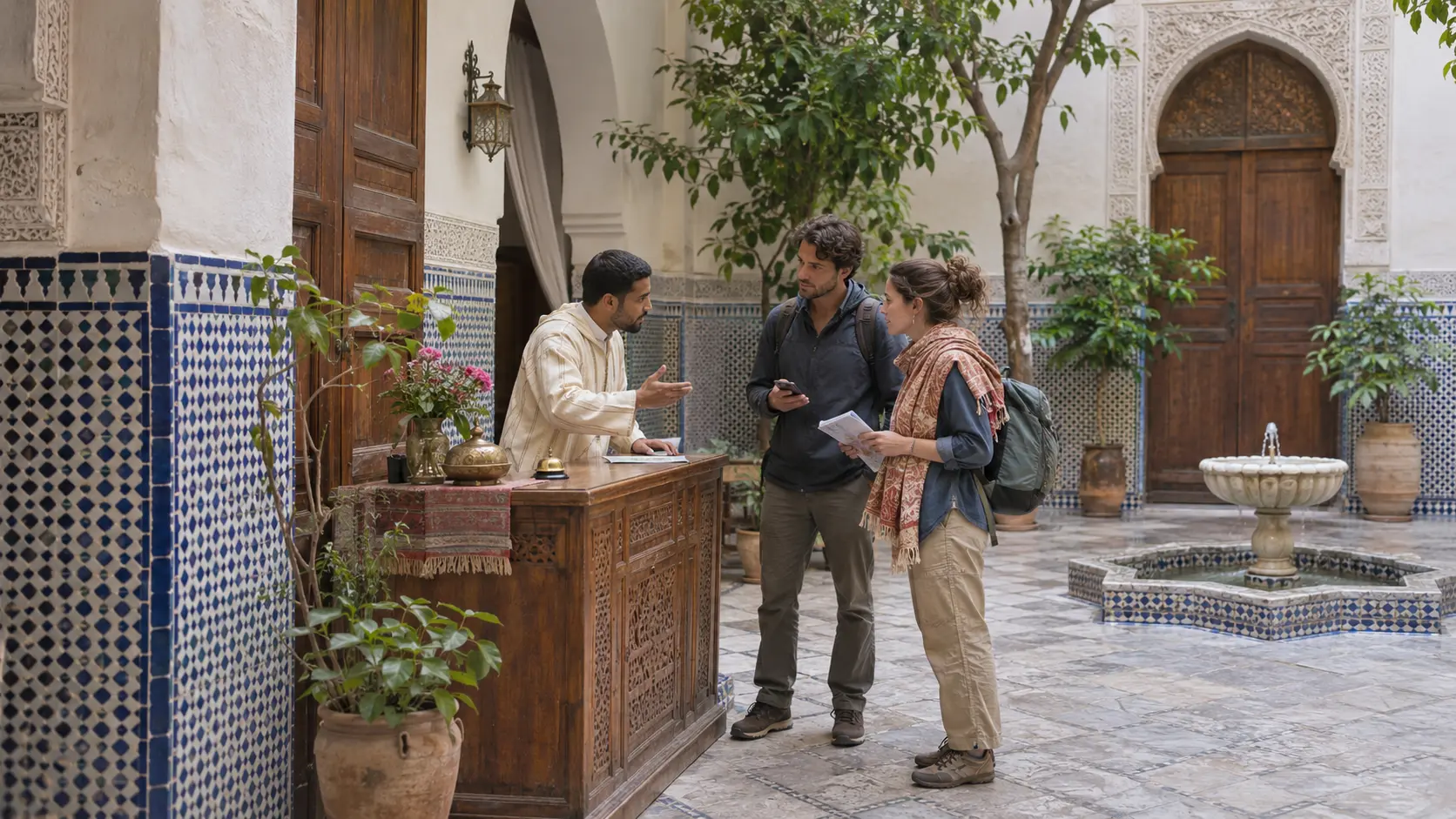
- Hotels, riads and guided activities: Use English or French if the provider offers it. Confirm the language of your guide before committing to an experience, rather than relying on a multilingual website.
- Markets, bakeries and neighborhood cafés: A Darija greeting or thank-you can help establish a polite exchange. Continue in French, English or another shared language if that is easier for both people.
- Taxis, stations and local transport: Save the address, destination name and any meeting point in writing. Showing a map or a written place name can work better than repeating an unfamiliar pronunciation.
- Mountain visits and rural stays: Ask ahead whether the host uses Darija, an Amazigh variety, French or English. For an activity that depends on clear instructions, confirm a language you and the guide can both use.
- Important requests or problems: Use written messages to confirm dates, locations and arrangements. For medical, legal or other consequential decisions, seek appropriately qualified language assistance rather than relying only on a phrasebook or automatic translation.
Switching languages during a conversation is normal in multilingual settings. There is no need to insist on continuing in the language you began with if another one communicates the point more clearly.
How Language Choices Change Across Morocco
Regional patterns are useful for preparation, but they cannot tell you what any individual person speaks.
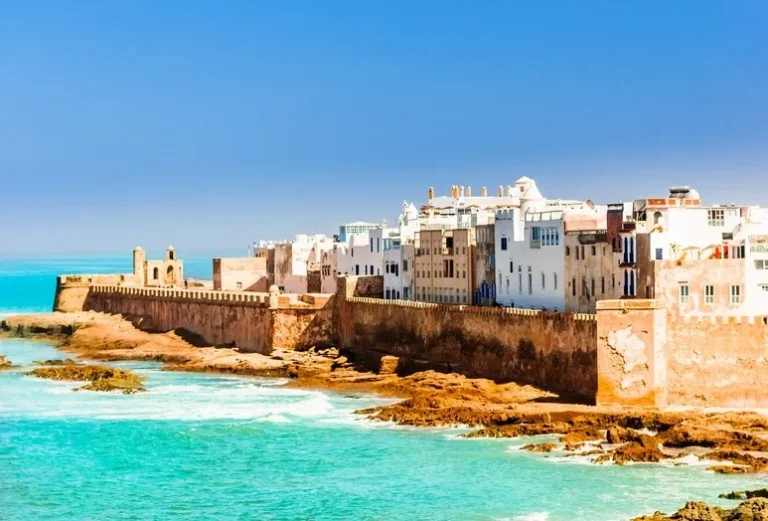
- Marrakech, Fes and Essaouira: Darija is prominent in everyday life. French and English may both be available in establishments that work with visitors, with no guarantee outside those settings.
- Casablanca and Rabat: Darija remains central to daily conversation, while French can be particularly useful in professional and administrative contexts. English availability varies by workplace and service.
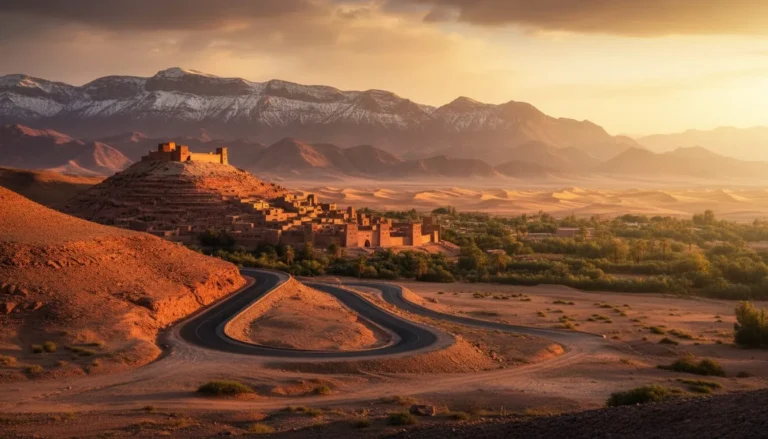
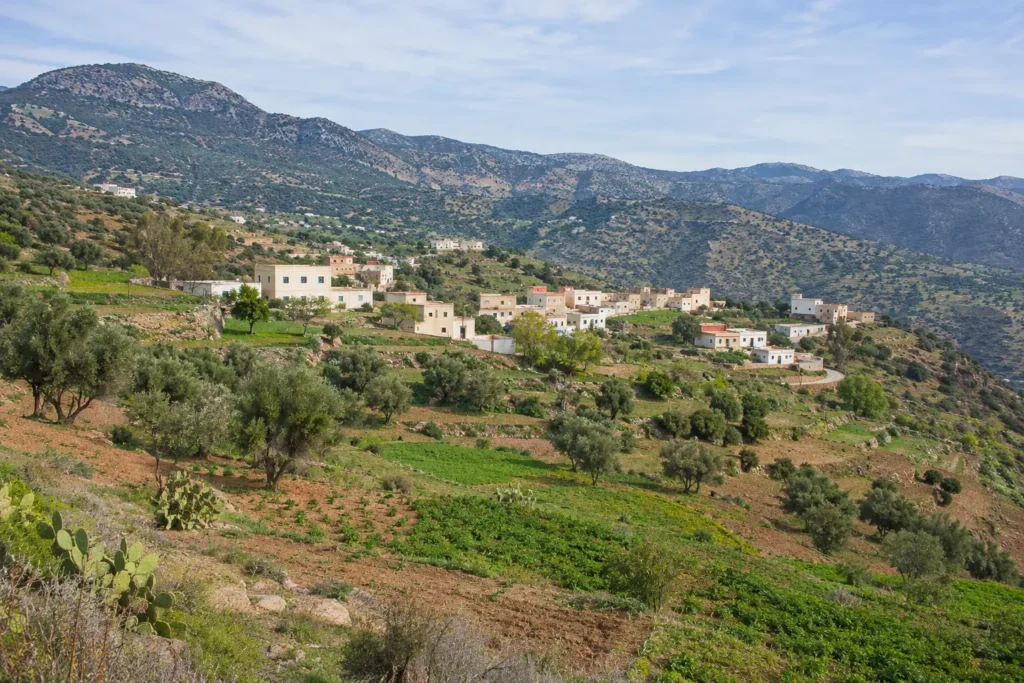
- The Rif, Atlas Mountains and Souss: Amazigh varieties may be important in homes and communities. The variety differs by area, and the languages used in a village may not match those offered by a nearby tourist business.
The key difference is often between a visitor-facing business and ordinary daily life, even within the same neighborhood. Rather than choosing a language for an entire region, check it for the particular interaction.
Reading Signs, Menus and Phone Messages
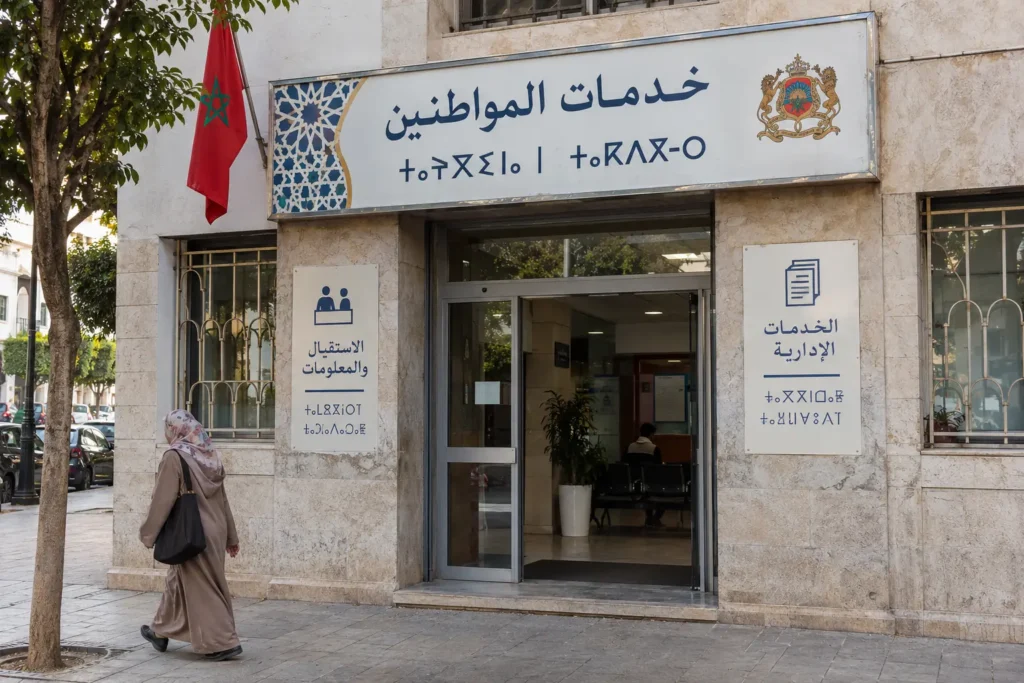
Morocco’s written languages do not always match its spoken conversations. Modern Standard Arabic uses the Arabic script in formal writing; Amazigh may appear in Tifinagh; and French uses the Latin alphabet. Visitor information sometimes includes English, but not consistently.
Darija is often written informally in messages, and spellings in the Latin alphabet can vary. Place names can also be transliterated differently.
Keep your destination saved on a map, store your accommodation’s contact details and check that a translated message still contains the right time, address and meeting instructions.
A phone translation tool can help with short questions, especially if you show the translated text and allow the other person to respond. Choose the language carefully: a tool set to Standard Arabic may not reproduce natural Darija, and it may not support the Amazigh variety being spoken.
Small Language Habits That Make Travel Easier
- Start with courtesy: “Salam” is a common greeting and “shukran” means thank you. Use them naturally, not as a test of someone else’s language skills.
- Ask what works: Ask which shared language is easiest instead of launching into a long explanation. In an Amazigh-speaking setting, let your host identify the local variety.
- Keep requests simple: Say one thing at a time, write down numbers when accuracy matters and allow time for clarification.
- Respect the setting: A friendly exchange does not imply permission to photograph someone or enter a private or religious space. Ask first.
For more everyday expressions, use the separate Darija phrases for travelers guide. This comparison is about choosing a shared language, not memorizing a long phrase list.
FAQs
Can I visit Morocco speaking only English?
Yes, particularly if your accommodation, guides and essential services confirm they can communicate in English. Independent travel through smaller places may require more patience, written directions or help from someone who shares another language.
Is French Morocco’s second official language?
No. Arabic and Amazigh are the two official languages. French has a significant practical role, but its everyday visibility is not the same as official status.
Are Amazigh and Darija the same language?
No. Darija is a Moroccan variety of Arabic, while Amazigh encompasses distinct Indigenous languages. They have influenced one another, but knowing one does not automatically mean understanding the other.
Can I use the same Amazigh phrases everywhere?
Not necessarily. Tarifit, Central Atlas Tamazight and Tachelhit are distinct regional varieties. Ask a local speaker which wording is appropriate rather than assuming a phrase from one area will be understood in another.
Build a Language Plan Around Your Route
You do not need fluency in four languages to enjoy Morocco. Start with a little Darija for courtesy, use French or English when mutually comfortable, and make room for Amazigh languages as part of the places and communities you visit.
Confirm communication needs in advance for bookings and activities where understanding details is essential.
For a wider overview beyond these four languages, see languages spoken in Morocco. If you are arranging a multi-region journey, you can also share your language preferences while planning a custom Morocco trip and confirm what language arrangements are available before booking.
Ready to Experience Morocco?
Turn this inspiration into your next adventure. Our travel experts are ready to help.